



Popular articles
- What Is Rivals of Aether? Game Type, Platforms, and Modes Explained
- Black Myth Wukong Guide – What To Expect From This Amazing New RPG
- Top 5 Gaming Thrones for a Luxurious Gaming Experience
- Is Sonic Triple Trouble 16-Bit Official? Who Is The Bad Guy in Sonic Triple Trouble?
- Among Us Original: Where and How To Play The Classic Game


Beastro serves a five-flavor deck system with puppet battles
Table of Content

Timberline Studio has shared new details on Beastro, a narrative cooking-and-combat game set in the artisan village of Palo Pori. Players step into the role of Panko, a talented young chef thrust into wider duties after a mentor’s disappearance. The studio outlines how five core flavors – bitter, salty, sour, sweet, and umami – shape the world and power a card-driven battle system. Daily life revolves around managing a restaurant, preparing meals for visiting heroes, and then witnessing their exploits in a paper puppet theater at night. The update focuses on systems and story setup, without announcing a release date.
World and premise: a chef at the village wall

Palo Pori is presented as a peaceful hub hemmed in by a protective wall, while monsters from another realm creep at the edges. After a stranger delivers ominous warnings, Panko must balance running the local eatery with supporting the village’s Caretakers – adventurers who venture out daily to push back the threat and uncover who unleashed it. Gathering, farming, and fishing provide the ingredients that power both the kitchen and combat.
Flavor-driven design across the entire game
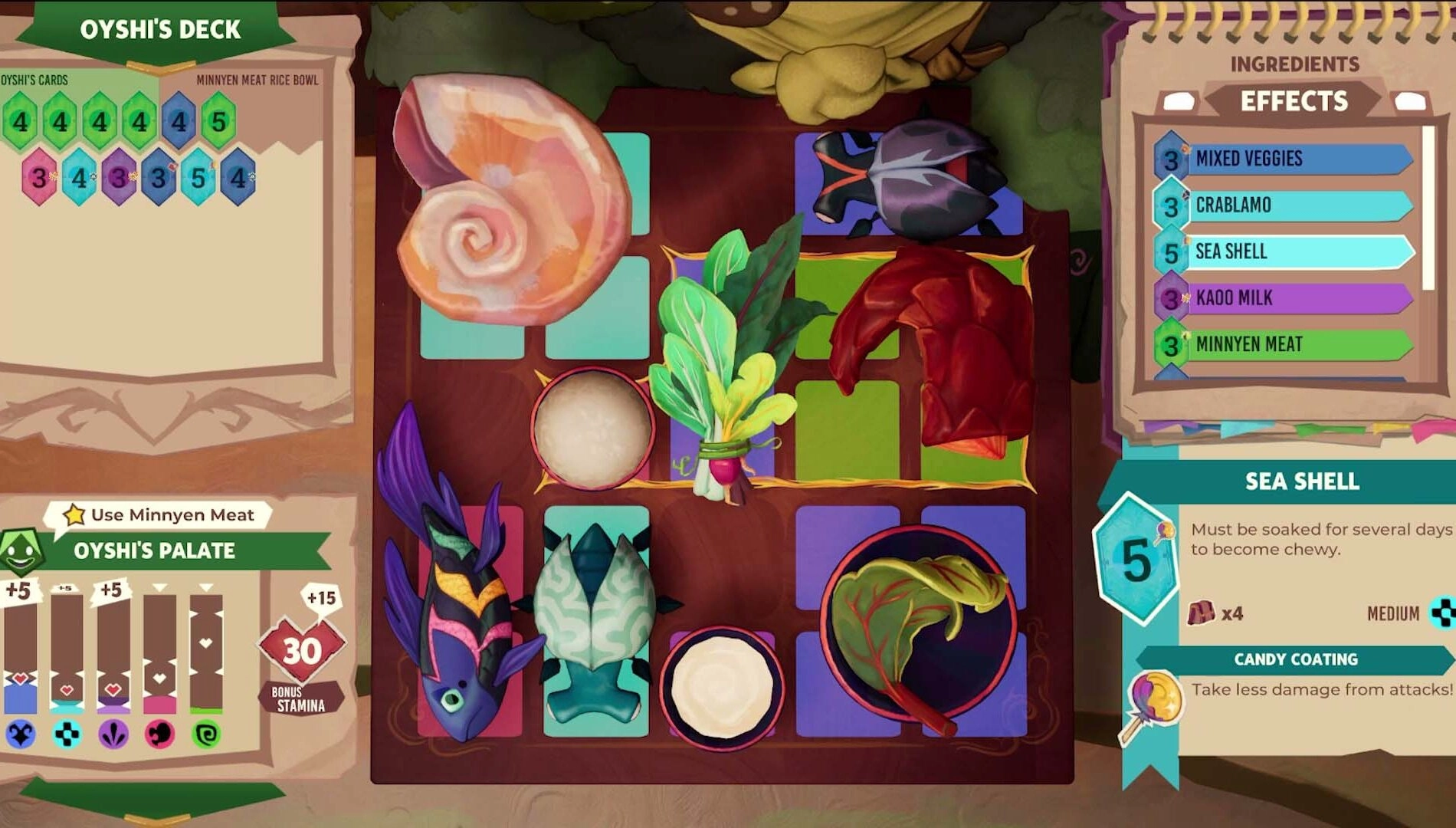
Beastro’s systems revolve around taste. Bitter, salty, sour, sweet, and umami are more than themes – they define regions, influence creatures, and act as suits in the card encounters. Stocking the pantry and opening the restaurant prepares a visiting Caretaker for the day’s venture, tying the culinary loop directly to progression in the wilds.
Puppet-theater nights and trick-taking battles
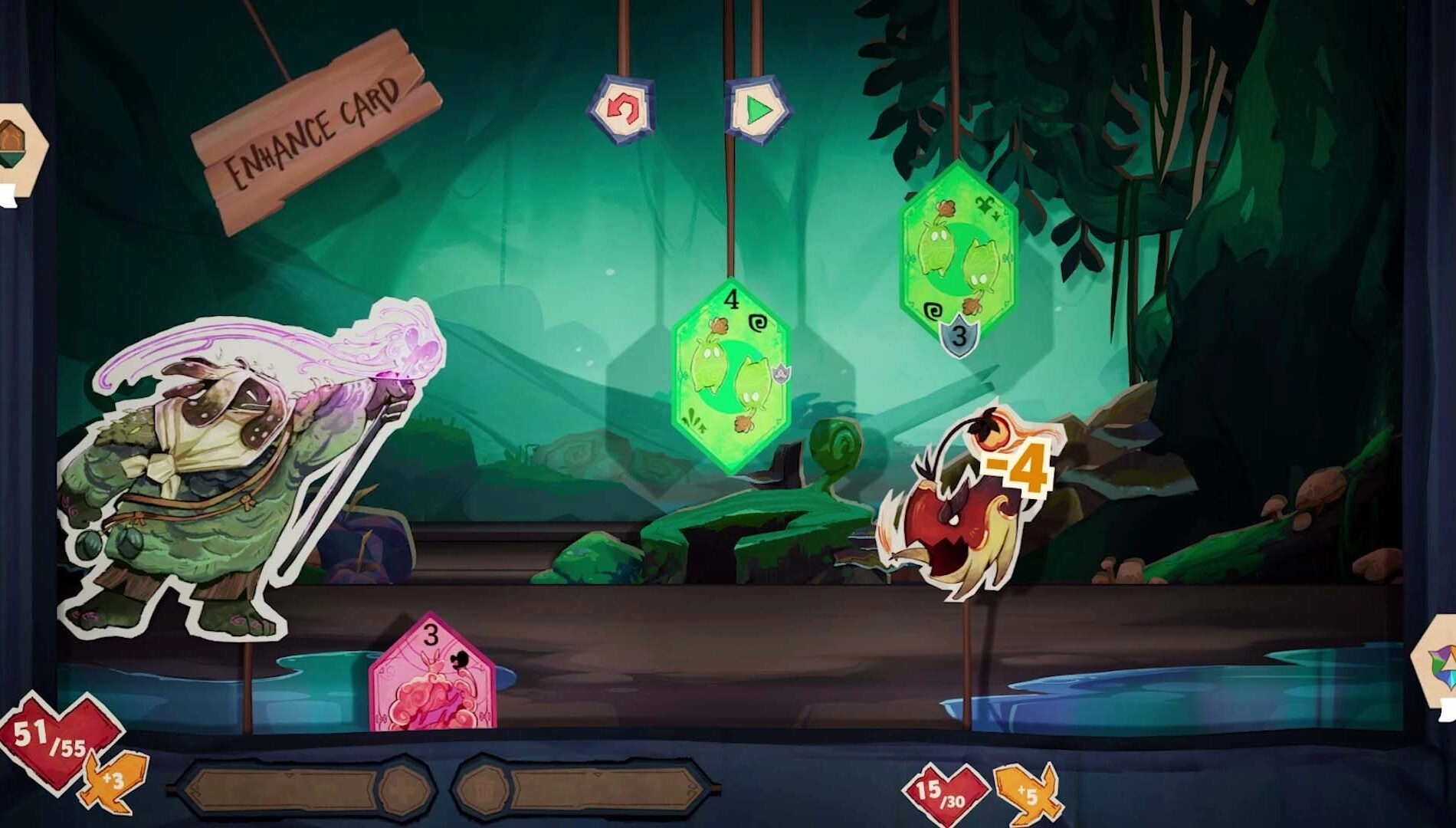
Each night, Panko heads to the tea house to watch a paper puppet show recounting the Caretaker’s day. Battles unfold as turn-based encounters inspired by traditional trick-taking card games. Monsters set the flavor for each round, and players respond with compatible cards. Overpowering an enemy deals damage and can also trigger special abilities, letting you subtly influence the outcome of the day’s journey.
Cooking builds your deck – meal by meal
Your combat deck is constructed from the exact ingredients and recipes used during the Mise en Place phase. Every dish can yield new cards, abilities, and combinations, enabling deeper forays outside the village. Some ingredients come with distinct effects – for example, bitter components can convert damage into health, and adding a marshroom can put a monster to sleep, preventing it from playing a card that turn.
Read also our article: Dunjungle swings onto Xbox with fast roguelite action Dec 11
Monsters fight back with their own twists
Enemies also wield flavor-based powers. A key hazard is the risk of burned-up cards, which halve a card’s power and can undercut your strategy if you are not careful. This push-and-pull encourages careful planning during prep and flexible card play during encounters.
Key mechanics at a glance
- Five-flavor system – bitter, salty, sour, sweet, umami act as card suits and world motifs.
- Restaurant management – gather, farm, and fish to stock ingredients and feed a visiting Caretaker.
- Puppet-theater storytelling – nightly shows recount the day and let you steer outcomes.
- Trick-taking combat – monsters set the round’s flavor; play compatible cards to win the trick and trigger abilities.
- Deck from dishes – meals define your cards and unlock new combos and effects.
- Status and risks – bitter ingredients can heal via damage conversion; marshroom induces sleep; burned cards cut power in half.
What’s next: more details and a gameplay look
The studio notes that additional info is on the way and highlights a new gameplay trailer showcasing these systems in motion. No release timing was provided in this update.
Final takeaway – plan the meal, win the trick
Beastro ties kitchen prep directly to card combat, asking players to think ahead in the restaurant and adapt in the puppet theater. If you enjoy management loops blended with trick-taking strategy, this flavor-first design signals a distinctive spin on deck-based adventures.







Meet the Author



Article:
Read all


Solid Snake joins Rainbow Six Siege on March 3. Expect an intel-focused gadget, on-the-fly scavenging, a stealthy 4v4 event with Sam Fisher, and updates across maps and Operators.
 February 15, 2026
 85
85

A year-long Overwatch narrative lands on Switch. Season 1 opens the Reign of Talon, adds 5 heroes, and introduces a 5-week faction event—setting the stage for updates through Season 6 in 2026.
February 14, 2026
82
A new chapter in Kratos’ past arrives on PS5. Sons of Sparta shifts the series to 2D, exploring the Agoge with Deimos, classic Greek foes, skill trees, and Gifts of Olympus – all scored by Bear McCreary.
February 13, 2026
79
Assassin’s Creed Origins steps into the museum space as Ubisoft and the Musée de l’Homme unveil a nine-minute interactive walkthrough of ancient Egyptian embalming, part of the Mummies exhibition running November 2025 - May 2026.
February 13, 2026
76
Subscribe to “By-Gamers” on Telegram for gaming intel.
No filler, no fuss—just your daily XP boost. Hop in and level up, squad!


Read also
Solid Snake joins Rainbow Six Siege on March 3. Expect an intel-focused gadget, on-the-fly scavenging, a stealthy 4v4 event with Sam Fisher, and updates across maps and Operators.
February 15, 2026
85
A year-long Overwatch narrative lands on Switch. Season 1 opens the Reign of Talon, adds 5 heroes, and introduces a 5-week faction event—setting the stage for updates through Season 6 in 2026.
February 14, 2026
82
A new chapter in Kratos’ past arrives on PS5. Sons of Sparta shifts the series to 2D, exploring the Agoge with Deimos, classic Greek foes, skill trees, and Gifts of Olympus – all scored by Bear McCreary.
February 13, 2026
79
Assassin’s Creed Origins steps into the museum space as Ubisoft and the Musée de l’Homme unveil a nine-minute interactive walkthrough of ancient Egyptian embalming, part of the Mummies exhibition running November 2025 - May 2026.
February 13, 2026
76

High On Life 2 is out now, and its writers say the best gags start with the team cracking up first — then shaping bits so players help drive the punchlines. Here’s how Squanch approaches humor-by-design.
February 13, 2026
61

Rainbow Six Siege’s competitive year ends in Paris with a new twist: 1V1 NOW by Xbox Game Pass. Four regional standouts, 3.2k sign-ups behind them, clash Feb 14-15 for a share of $5,000 on the SI stage.
February 13, 2026
70

Fourteen Xbox titles arrive February 17-20 – from Star Trek: Voyager’s survival strategy to stealth in Styx and horror in Backrooms. Dates, platform notes, and core gameplay features inside.
February 13, 2026
63

Rayman’s 1995 debut returns in a multi-version package – with a first-ever playable SNES prototype, 120 bonus stages, a reimagined Christophe Héral soundtrack, and modern assists like a 60-second rewind.
February 13, 2026
62

Mario Tennis Fever icon elements arrive on a ticking schedule—four waves across February-March 2026. Here are the exact PT dates, how to access them, and what the game brings to the court.
February 13, 2026
68

Nintendo serves up Mario Tennis Fever on Switch 2 with its biggest roster yet, 30 new Fever Rackets that twist rallies in wild ways, and a baby-themed Adventure Mode. Check the official trailer link inside.
February 13, 2026
67

Співпраця
Співпраця - текст
By-Gamers Newsletter!
Unlock special gaming deals, limited-time bundles, and more - sign up for By-gamers newsletter today!
