


Popular articles
- What Is Rivals of Aether? Game Type, Platforms, and Modes Explained
- Black Myth Wukong Guide – What To Expect From This Amazing New RPG
- Top 5 Gaming Thrones for a Luxurious Gaming Experience
- Is Sonic Triple Trouble 16-Bit Official? Who Is The Bad Guy in Sonic Triple Trouble?
- Among Us Original: Where and How To Play The Classic Game


Master Cairn’s Climb: Pro Tips for Kami’s Perilous Walls
Table of Content

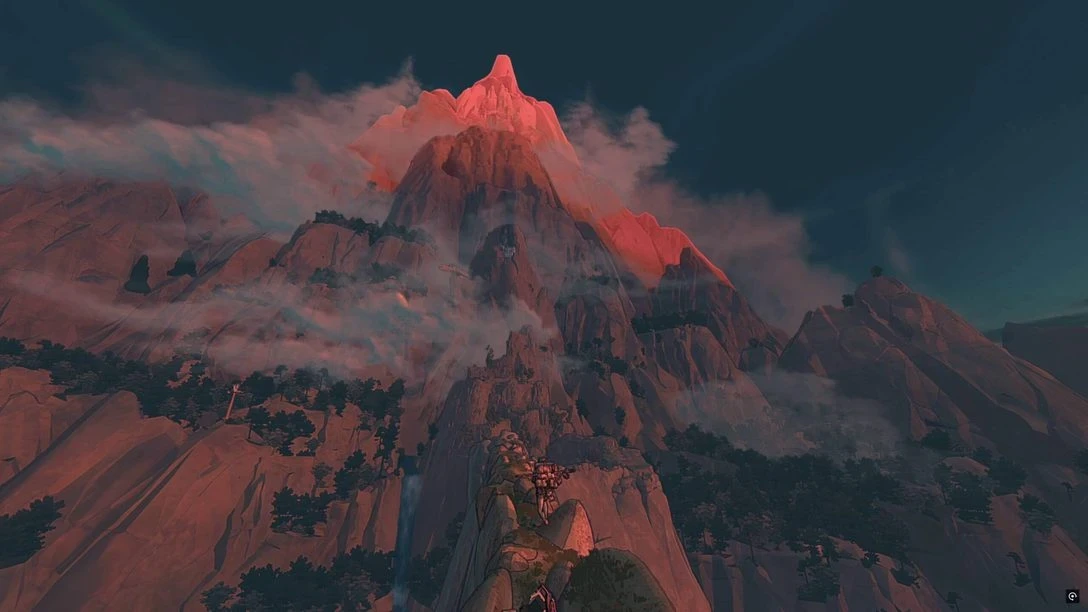
The creators of Cairn have outlined how its climbing systems really work, focusing on the journey to the peak of Kami. The guidance stresses planning, patience and stamina management over brute force. It breaks down how to read holds, when to anchor with pitons, and when to rely on chalk. It also explains manual limb selection, route scouting with the camera, the quirks of different rock types, and how ice climbing changes the pace. Below is a concise breakdown of the key mechanics to keep your ascent challenging – but not punishing.
Plan the Route, Pace the Climb, Preserve Stamina
Before committing upward, scout the wall by tilting the camera so Aava looks straight up or by pressing L1 for a zoomed-out view. Route checks reduce backtracking that wastes energy and items. Once on the wall, favor a slow, deliberate rhythm – moving fast increases the chance of picking poor holds.
Watch Aava’s body language: shaking limbs signal bad weight distribution and imminent slips. Manage stamina by pressing Triangle in solid stances to shake out a limb; the color feedback matters – green indicates good recovery, yellow warns you need a better rest position soon. Breathing cues also help: steady means stable, quickening means she’s tiring and worried.
Drop Pitons Early and Often
Pitons act as fall protection and mid-climb checkpoints. Place them by holding Up on the D-pad, then press X with the right timing on a slider to complete the set. Good timing prevents breakage and enables emergency placement when things get sketchy.
Clip into a piton and hit X to “off belay” – that fully restores stamina and grants access to your backpack for food or chalk refills. Resource worries are eased by Climbot: it can craft one piton from two sets of piton scraps, keeping your stock topped up.
Not All Holds Are Equal – Test and Verify
Walls can look packed with grips, but smaller features (like vertical cracks) tire Aava quickly. Prioritize big ledges that let you stand and rest comfortably. Move slowly enough to “feel” each hold and step back if Aava flattens a hand or foot against the surface – that means she’s braced, not gripping, and will fatigue fast.
Frequent micro-rests maintain stamina and reduce risky transitions. Listening for Aava’s in-the-moment remarks helps confirm whether a position is truly safe.
Chalk Usage: Small Cost, Big Gains
Chalk is a strong, short-term buff: hold Right on the D-pad to apply and your next 12 handholds gain extra grip. It’s especially valuable on sparse or tiny holds and for quick traverses over marginal rock to reach better ground.
Supply is designed to be sustainable. Climbot generates more chalk when you compost trash, so using it regularly is encouraged rather than hoarded.
Read also our article: How Dragon Quest Vii Reimagined Modernizes a 100-Hour Classic on Ps5
Take Manual Control of Aava's Limbs When Precision Matters
The default system auto-selects which limb to move, but for tight sequences or urgent escapes, hold R1 and choose a limb with the right stick. Manual selection prevents wrong-limb moves that can unbalance you and lead to slips. It’s a key skill for threading difficult sequences calmly.
Read the Wall: Gray Crags Vs Glossy Brown Rock
Most surfaces are grippy gray stone, but patches of smooth, glossy brown rock are more slippery and have smaller holds. Crucially, this denser rock does not accept pitons. Spot it early, plan detours, or prepare support items like chalk and food to push through short sections safely.
Explore Caves and Ruins for Progression Tools
Kami hides troglodyte homes, temples and villages – exploring them can reveal save points, supplies, and special items. The standout reward is the troglodyte piton – indestructible and able to burrow into any rock – alongside upgrades like a larger chalk bag and new food recipes.
These detours often uncover alternative routes that are safer or more efficient than the main face, making exploration strategically valuable, not just optional.
Ice Changes the Tempo – Slower, Safer Holds Everywhere
Higher on Kami, ice walls appear. Aava automatically equips ice axes and foot spikes when targeting ice. Ice can be more forgiving because you can create holds anywhere, but the trade-off is slower progress and higher stamina drain – frequent rests are essential.
Aim for natural cracks in the ice for better purchase; if an axe or shoe bounces before sticking, reposition immediately. With no crack available, hold Square and release to kick or slam, carving a new placement at a stamina cost.
Quick-Reference: Inputs and Feedback
- Scout – tilt camera up; press L1 for a wide view
- Stamina shake-out – press Triangle; watch color: green (good), yellow (caution)
- Piton place – hold Up on D-pad, time X on the slider
- Off belay at piton – press X to fully restore stamina and access items
- Chalk – hold Right on D-pad; boost lasts for 12 handholds
- Manual limb select – hold R1, choose limb with right stick
- Create ice hold – hold Square, then release to kick/slam
Bottom Line – Climb Smarter, Not Harder
Meticulous route checks, steady pacing, and proactive piton use underpin a safe ascent in Cairn. Layer in chalk at tough spots, switch to manual limb control for precision, and pay attention to Aava’s physical cues. Exploring Kami’s caves and adapting to ice flow will keep the challenge fair – and your progress consistent.





Meet the Author



Article:
Read all


Solid Snake joins Rainbow Six Siege on March 3. Expect an intel-focused gadget, on-the-fly scavenging, a stealthy 4v4 event with Sam Fisher, and updates across maps and Operators.
 February 15, 2026
 85
85

A year-long Overwatch narrative lands on Switch. Season 1 opens the Reign of Talon, adds 5 heroes, and introduces a 5-week faction event—setting the stage for updates through Season 6 in 2026.
February 14, 2026
82
A new chapter in Kratos’ past arrives on PS5. Sons of Sparta shifts the series to 2D, exploring the Agoge with Deimos, classic Greek foes, skill trees, and Gifts of Olympus – all scored by Bear McCreary.
February 13, 2026
80
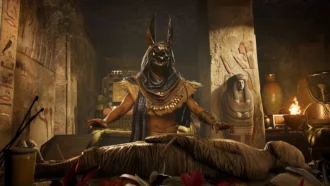
Assassin’s Creed Origins steps into the museum space as Ubisoft and the Musée de l’Homme unveil a nine-minute interactive walkthrough of ancient Egyptian embalming, part of the Mummies exhibition running November 2025 - May 2026.
February 13, 2026
77
Subscribe to “By-Gamers” on Telegram for gaming intel.
No filler, no fuss—just your daily XP boost. Hop in and level up, squad!


Read also
Solid Snake joins Rainbow Six Siege on March 3. Expect an intel-focused gadget, on-the-fly scavenging, a stealthy 4v4 event with Sam Fisher, and updates across maps and Operators.
February 15, 2026
85
A year-long Overwatch narrative lands on Switch. Season 1 opens the Reign of Talon, adds 5 heroes, and introduces a 5-week faction event—setting the stage for updates through Season 6 in 2026.
February 14, 2026
82
A new chapter in Kratos’ past arrives on PS5. Sons of Sparta shifts the series to 2D, exploring the Agoge with Deimos, classic Greek foes, skill trees, and Gifts of Olympus – all scored by Bear McCreary.
February 13, 2026
80
Assassin’s Creed Origins steps into the museum space as Ubisoft and the Musée de l’Homme unveil a nine-minute interactive walkthrough of ancient Egyptian embalming, part of the Mummies exhibition running November 2025 - May 2026.
February 13, 2026
77

High On Life 2 is out now, and its writers say the best gags start with the team cracking up first — then shaping bits so players help drive the punchlines. Here’s how Squanch approaches humor-by-design.
February 13, 2026
61

Rainbow Six Siege’s competitive year ends in Paris with a new twist: 1V1 NOW by Xbox Game Pass. Four regional standouts, 3.2k sign-ups behind them, clash Feb 14-15 for a share of $5,000 on the SI stage.
February 13, 2026
70
Fourteen Xbox titles arrive February 17-20 – from Star Trek: Voyager’s survival strategy to stealth in Styx and horror in Backrooms. Dates, platform notes, and core gameplay features inside.
February 13, 2026
63

Rayman’s 1995 debut returns in a multi-version package – with a first-ever playable SNES prototype, 120 bonus stages, a reimagined Christophe Héral soundtrack, and modern assists like a 60-second rewind.
February 13, 2026
62

Mario Tennis Fever icon elements arrive on a ticking schedule—four waves across February-March 2026. Here are the exact PT dates, how to access them, and what the game brings to the court.
February 13, 2026
68

Nintendo serves up Mario Tennis Fever on Switch 2 with its biggest roster yet, 30 new Fever Rackets that twist rallies in wild ways, and a baby-themed Adventure Mode. Check the official trailer link inside.
February 13, 2026
67

Співпраця
Співпраця - текст
By-Gamers Newsletter!
Unlock special gaming deals, limited-time bundles, and more - sign up for By-gamers newsletter today!
