


Popular articles
- What Is Rivals of Aether? Game Type, Platforms, and Modes Explained
- Black Myth Wukong Guide – What To Expect From This Amazing New RPG
- Top 5 Gaming Thrones for a Luxurious Gaming Experience
- Is Sonic Triple Trouble 16-Bit Official? Who Is The Bad Guy in Sonic Triple Trouble?
- Among Us Original: Where and How To Play The Classic Game


Microsoft sets Windows 11 security bar for Call of Duty: Black Ops 7
Table of Content

Alongside the launch of Call of Duty: Black Ops 7, Microsoft has reiterated how Windows 11’s security stack is meant to keep competitive play fair. The company says modern cheats increasingly target a PC before the operating system fully verifies trust, which is why hardware-backed protections are central to anti-cheat efforts. Microsoft highlights a standards-based approach built with hardware makers and anti-cheat providers, designed to create a verifiable “trusted state” for play. When these features stay enabled, developers can better identify tampering and protect multiplayer integrity.
Microsoft notes that these same foundations mirror what secures the Xbox platform – and that anti-cheat providers are already leveraging them on Windows 11. The message to PC players is straightforward: keep security features on, update regularly and expect more games to lean on these requirements.
What Microsoft is standardising for fair play
According to Microsoft, cheating has moved beyond simple memory edits to techniques that try to load early in the boot chain. To counter this, Windows 11 relies on a layered, hardware-rooted approach that developers and anti-cheat solutions can verify. The goal is a consistent baseline across devices so multiplayer systems can trust what runs before, during and around a game.
- Trusted Platform Module (TPM) 2.0 – provides hardware-based key storage and a cryptographic root of trust that Windows and games can query.
- Secure Boot – ensures only trusted software loads during startup, extending trust from the TPM through hardware initialization to Windows boot.
- Virtualization-based Security (VBS) – creates an isolated environment that makes it harder for unauthorized code to tamper with games or anti-cheat services.
- Remote Attestation – supplies verifiable, cryptographic evidence of the hardware and Windows boot process so services can confirm a PC’s trusted state.
Microsoft positions these components as a cohesive standard for Windows 11 gaming – a model already proven on consoles and now being adopted by anti-cheat partners on PC.
Player checklist: preparing a PC for trusted multiplayer
Microsoft stresses that security only works if it remains enabled – players play a role in keeping protections active and up to date. Here is the company’s guidance, distilled into practical steps:
- Install Windows 11 updates – regular patches bring security enhancements that strengthen anti-cheat reliability.
- Apply firmware/BIOS updates – check your manufacturer’s tools or support pages for the latest firmware to close emerging pre-boot gaps.
- Enable TPM 2.0 and Secure Boot – many gaming PCs ship with these on by default; custom or older builds may need manual activation in firmware settings.
- Review game-specific requirements – major titles such as Call of Duty and Valorant publish security prerequisites for compliant, fair online play.
Read also our article: PS5 at five – PS Blog spotlights community shots and next theme
The intent is to maintain a consistent, trusted baseline across PCs, making it easier for developers to distinguish legitimate play from manipulated environments.
Why this matters for Black Ops 7 and beyond
Microsoft ties the guidance to the arrival of Call of Duty: Black Ops 7, noting that more contemporary multiplayer titles are embracing hardware-backed verification. The company indicates players should expect wider adoption of TPM 2.0, Secure Boot and VBS as anti-cheat solutions advance. Major games already document their security expectations, and Windows 11 is designed to meet them with verifiable trust signals.
Crucially, Microsoft frames this as an ongoing effort: as cheats evolve, so will the protections and the standards that games rely on. Keeping security features enabled today helps studios preserve fair competition tomorrow.
The takeaway – a clearer path to trusted competitive play
Microsoft’s message is clear: hardware-rooted security is now part of the competitive baseline on PC. By running Windows 11 with TPM 2.0, Secure Boot, VBS and Remote Attestation active – and by staying updated – players help ensure their systems meet the trust checks that modern anti-cheat tools expect. For Black Ops 7 and the next wave of multiplayer launches, that trusted state is increasingly the difference between seamless matchmaking and being flagged for risky configurations.





Meet the Author



Article:
Read all


Solid Snake joins Rainbow Six Siege on March 3. Expect an intel-focused gadget, on-the-fly scavenging, a stealthy 4v4 event with Sam Fisher, and updates across maps and Operators.
 February 15, 2026
 86
86
A year-long Overwatch narrative lands on Switch. Season 1 opens the Reign of Talon, adds 5 heroes, and introduces a 5-week faction event—setting the stage for updates through Season 6 in 2026.
February 14, 2026
83
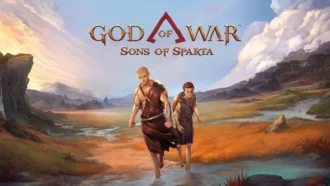
A new chapter in Kratos’ past arrives on PS5. Sons of Sparta shifts the series to 2D, exploring the Agoge with Deimos, classic Greek foes, skill trees, and Gifts of Olympus – all scored by Bear McCreary.
February 13, 2026
80
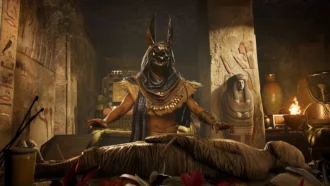
Assassin’s Creed Origins steps into the museum space as Ubisoft and the Musée de l’Homme unveil a nine-minute interactive walkthrough of ancient Egyptian embalming, part of the Mummies exhibition running November 2025 - May 2026.
February 13, 2026
77
Subscribe to “By-Gamers” on Telegram for gaming intel.
No filler, no fuss—just your daily XP boost. Hop in and level up, squad!


Read also
Solid Snake joins Rainbow Six Siege on March 3. Expect an intel-focused gadget, on-the-fly scavenging, a stealthy 4v4 event with Sam Fisher, and updates across maps and Operators.
February 15, 2026
86
A year-long Overwatch narrative lands on Switch. Season 1 opens the Reign of Talon, adds 5 heroes, and introduces a 5-week faction event—setting the stage for updates through Season 6 in 2026.
February 14, 2026
83
A new chapter in Kratos’ past arrives on PS5. Sons of Sparta shifts the series to 2D, exploring the Agoge with Deimos, classic Greek foes, skill trees, and Gifts of Olympus – all scored by Bear McCreary.
February 13, 2026
80
Assassin’s Creed Origins steps into the museum space as Ubisoft and the Musée de l’Homme unveil a nine-minute interactive walkthrough of ancient Egyptian embalming, part of the Mummies exhibition running November 2025 - May 2026.
February 13, 2026
77

High On Life 2 is out now, and its writers say the best gags start with the team cracking up first — then shaping bits so players help drive the punchlines. Here’s how Squanch approaches humor-by-design.
February 13, 2026
61
Rainbow Six Siege’s competitive year ends in Paris with a new twist: 1V1 NOW by Xbox Game Pass. Four regional standouts, 3.2k sign-ups behind them, clash Feb 14-15 for a share of $5,000 on the SI stage.
February 13, 2026
70
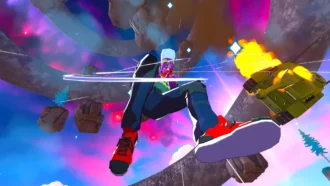
Fourteen Xbox titles arrive February 17-20 – from Star Trek: Voyager’s survival strategy to stealth in Styx and horror in Backrooms. Dates, platform notes, and core gameplay features inside.
February 13, 2026
63
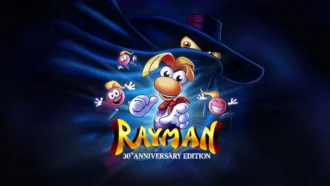
Rayman’s 1995 debut returns in a multi-version package – with a first-ever playable SNES prototype, 120 bonus stages, a reimagined Christophe Héral soundtrack, and modern assists like a 60-second rewind.
February 13, 2026
62
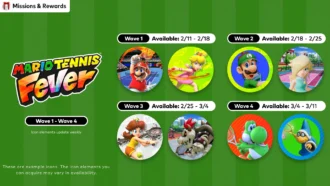
Mario Tennis Fever icon elements arrive on a ticking schedule—four waves across February-March 2026. Here are the exact PT dates, how to access them, and what the game brings to the court.
February 13, 2026
69
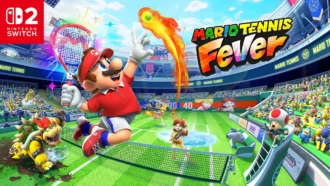
Nintendo serves up Mario Tennis Fever on Switch 2 with its biggest roster yet, 30 new Fever Rackets that twist rallies in wild ways, and a baby-themed Adventure Mode. Check the official trailer link inside.
February 13, 2026
67

Співпраця
Співпраця - текст
By-Gamers Newsletter!
Unlock special gaming deals, limited-time bundles, and more - sign up for By-gamers newsletter today!
