


Popular articles
- What Is Rivals of Aether? Game Type, Platforms, and Modes Explained
- Black Myth Wukong Guide – What To Expect From This Amazing New RPG
- Top 5 Gaming Thrones for a Luxurious Gaming Experience
- Is Sonic Triple Trouble 16-Bit Official? Who Is The Bad Guy in Sonic Triple Trouble?
- Among Us Original: Where and How To Play The Classic Game


Code Vein II dated for PS5: choices, time travel and a rebuilt combat core
Table of Content

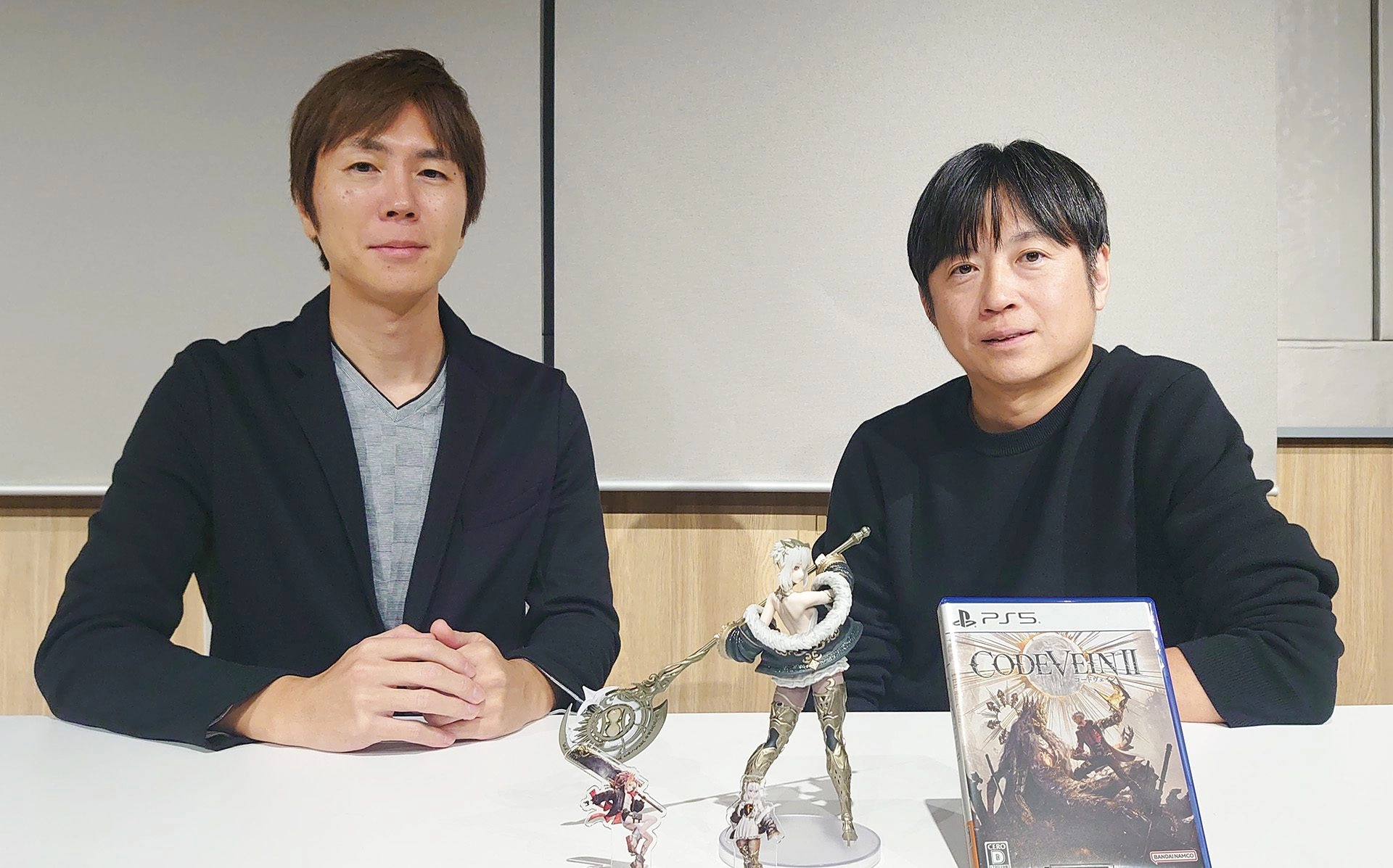
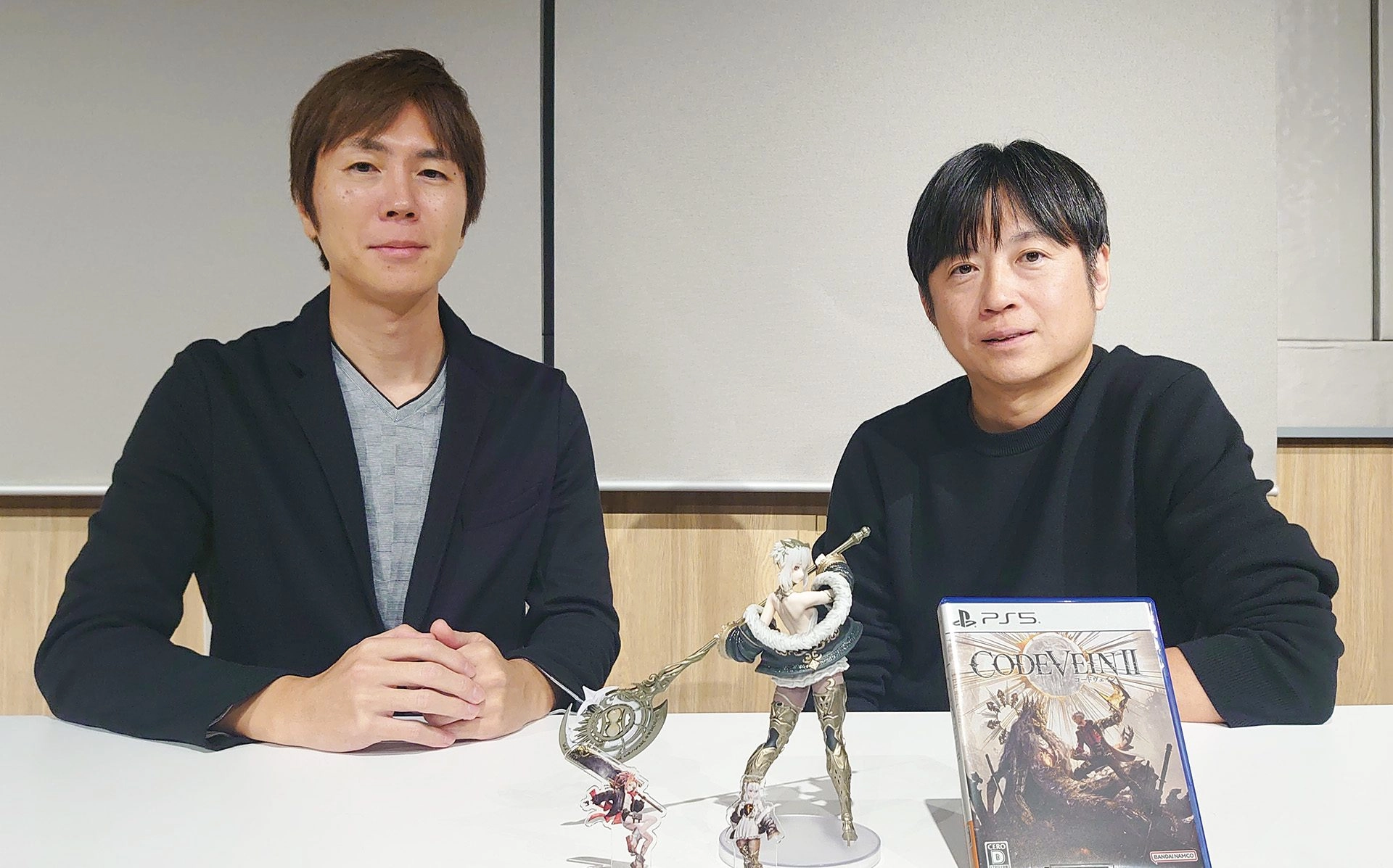
Bandai Namco’s Code Vein II arrives on PlayStation 5 on January 30, continuing the studio’s dramatic exploration action RPG series in a post‑apocalyptic world. The sequel leans into high‑stakes, challenging combat and a story about rewriting fate across different timelines. Players travel with a single trusted partner, confronting unforgiving enemies and treacherous zones while shaping outcomes through their decisions. The studio’s producer Keita Iizuka and director Hiroshi Yoshimura outlined the game’s core ideas and systems in an official developer discussion.
A journey to alter history
Code Vein II structures its narrative around moving between the present and the past to change relationships and the state of the world. Those interventions can lead to multiple endings, with the option to revisit earlier moments to alter outcomes. For replay, the game includes New Game+, allowing players to carry over levels and selected progress.
“There are multiple endings, and the way players reach them is defined by their choices,” said Yoshimura, noting the story adapts to interventions across timelines.
Buddy-first combat, rebuilt around new strategies
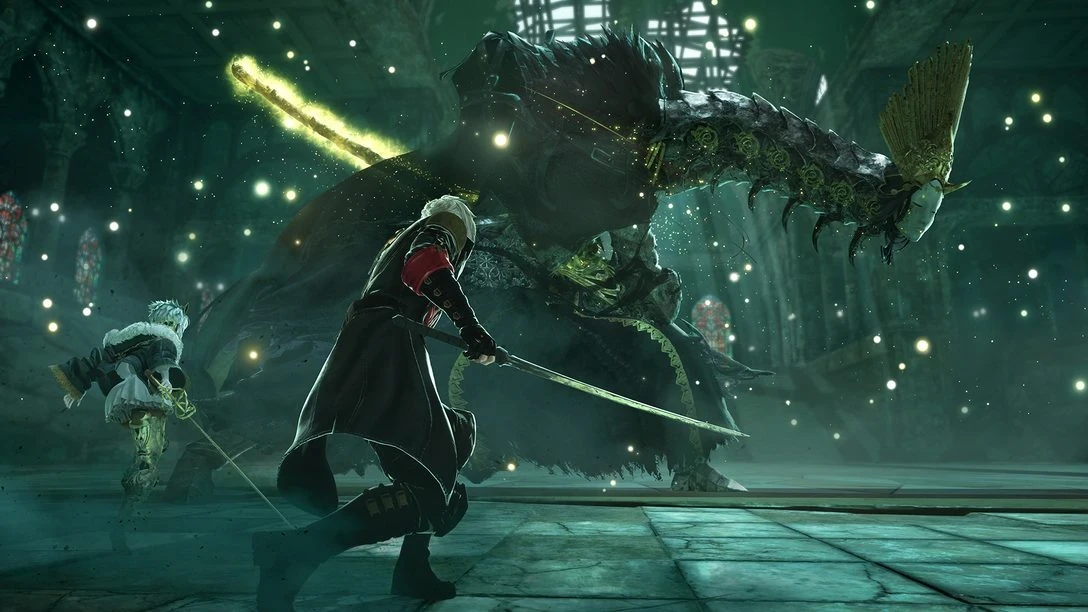
Combat retains Code Vein’s identity as a demanding action RPG while doubling down on the series’ single‑buddy design – you explore and fight with just one companion.
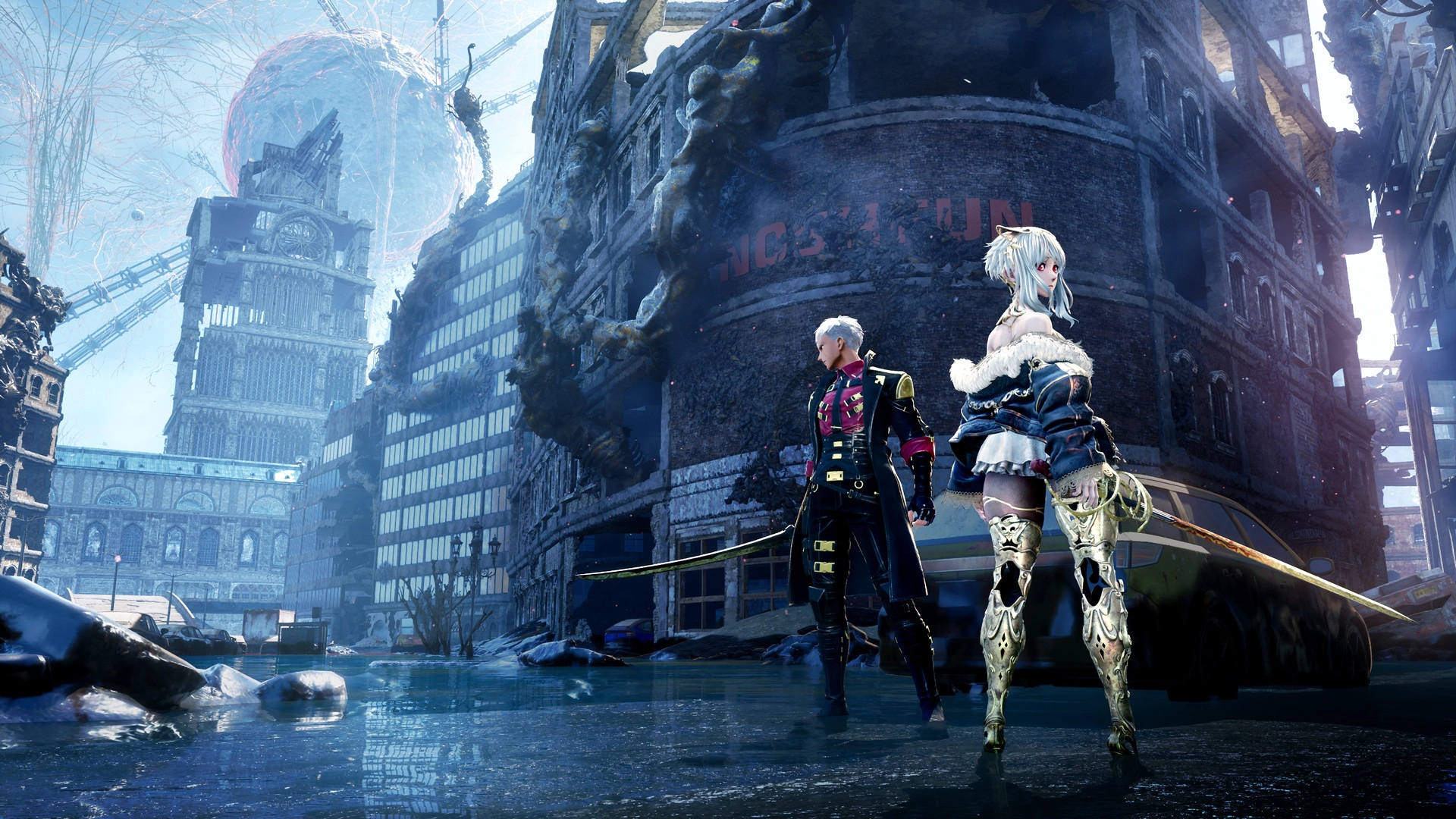
- Summoning – fight side‑by‑side with your partner to coordinate attacks.
- Assimilation – temporarily merge with your partner to become one, opening new tactical options.
These concepts underpin a reworked action system intended to preserve the sense of camaraderie while expanding strategic depth.
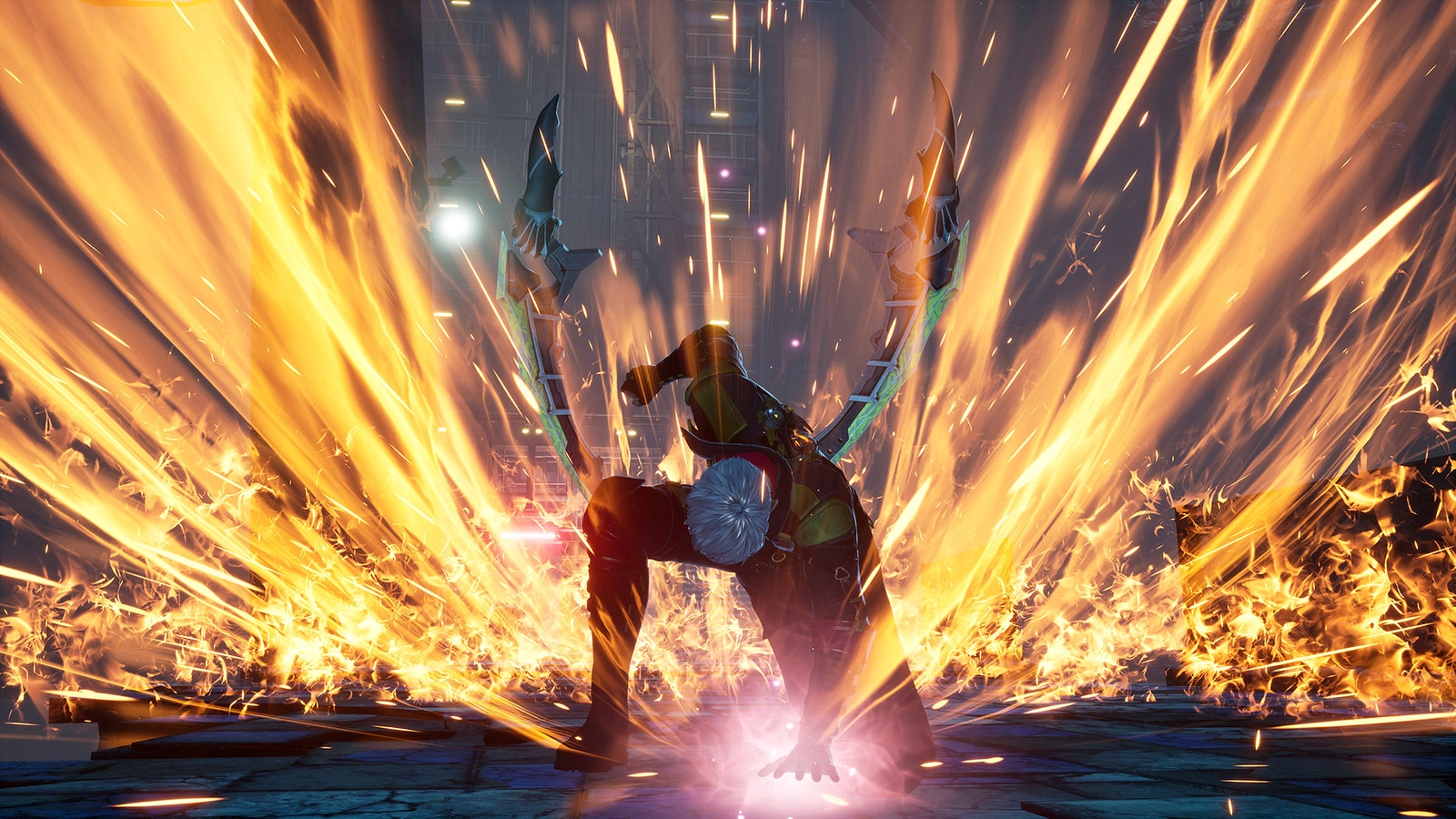
“We rebuilt the system around two new strategic concepts – ‘Summoning’ and ‘Assimilation’ – while keeping the buddy bond at the core,” Yoshimura explained.
Weapons, builds and animation upgrades
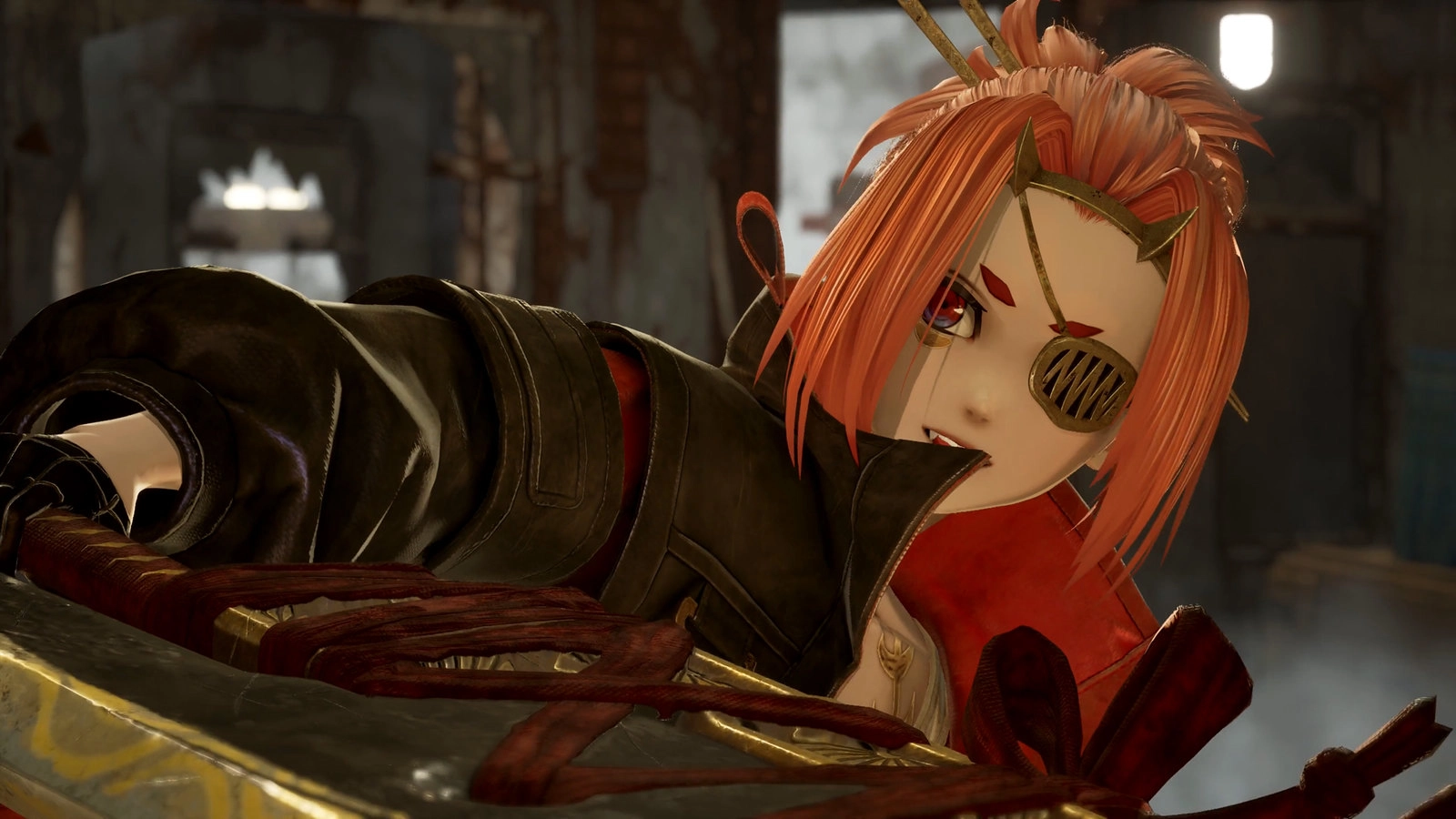
Two new weapon archetypes headline the arsenal alongside returning categories that have been fully reanimated for smoother, weightier motion:
- Rune Blade – a technical option that uses formae power to levitate blades; player and weapon can move independently for coordinated assaults.
- Twin Blades – dual‑wielded, speed‑focused arms emphasizing spins and rapid strings. Hit count matters as you can stack wounds per strike to maximize Ichor gained from blood drains.
Read also our article: Kirby heads to Switch 2: listings, upgrades, and what’s playable now
Weapons now support direct formae attachments with more type‑specific choices, making build tailoring clearer than in the previous game.
“You can equip formae directly onto weapons, with many more type‑specific options,” Iizuka noted.
Worldbuilding, visuals and boss transformations
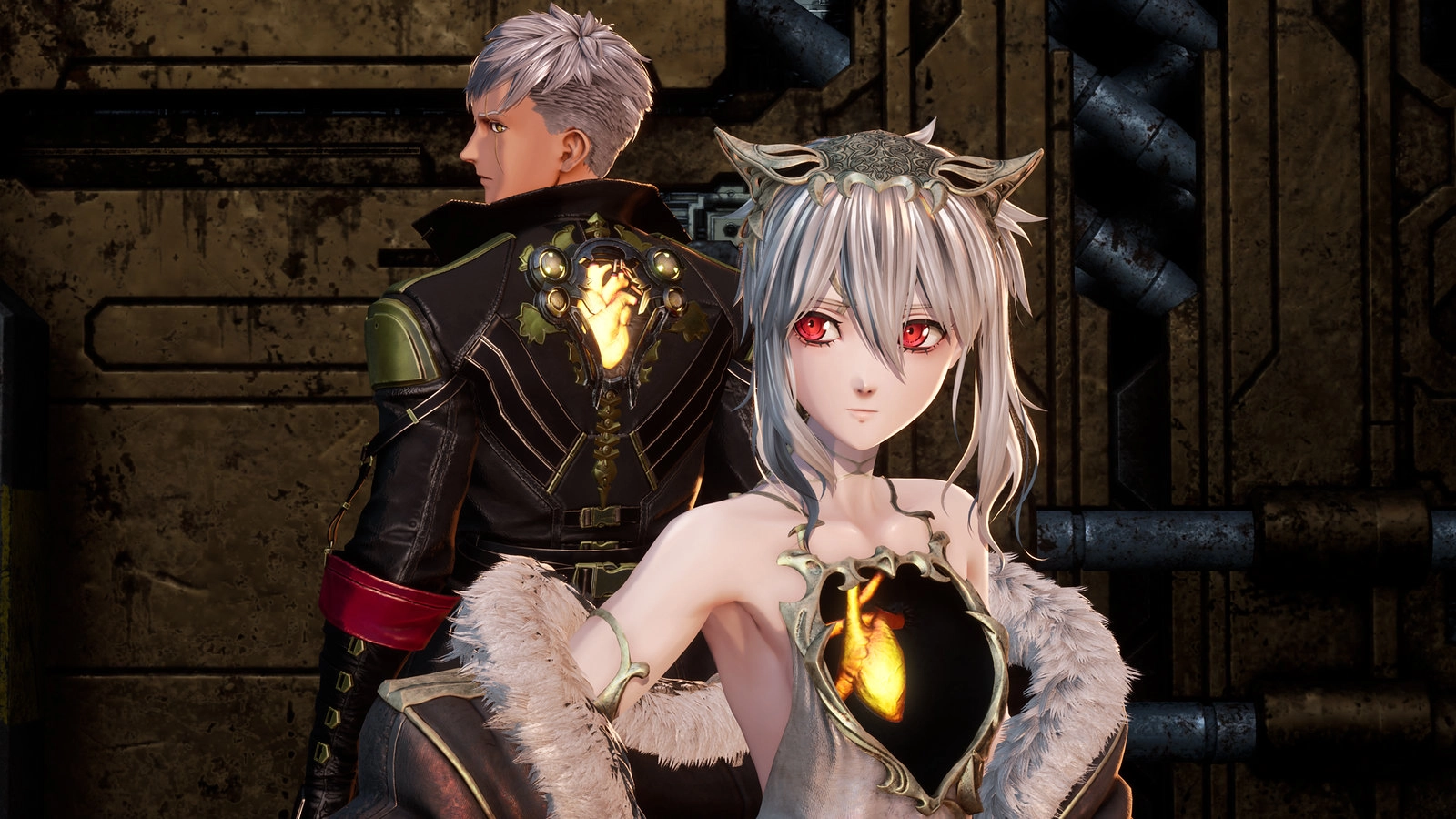
The sequel introduces a new setting while preserving recognizable threads from the original – expect familiar items, gifts and weapons as subtle nods. Visually, the team blends anime‑style characters into realistic, detailed backgrounds for a distinct look. Certain allies can appear as bosses with drastically altered forms, a deliberate contrast meant to invite speculation that the story later addresses.
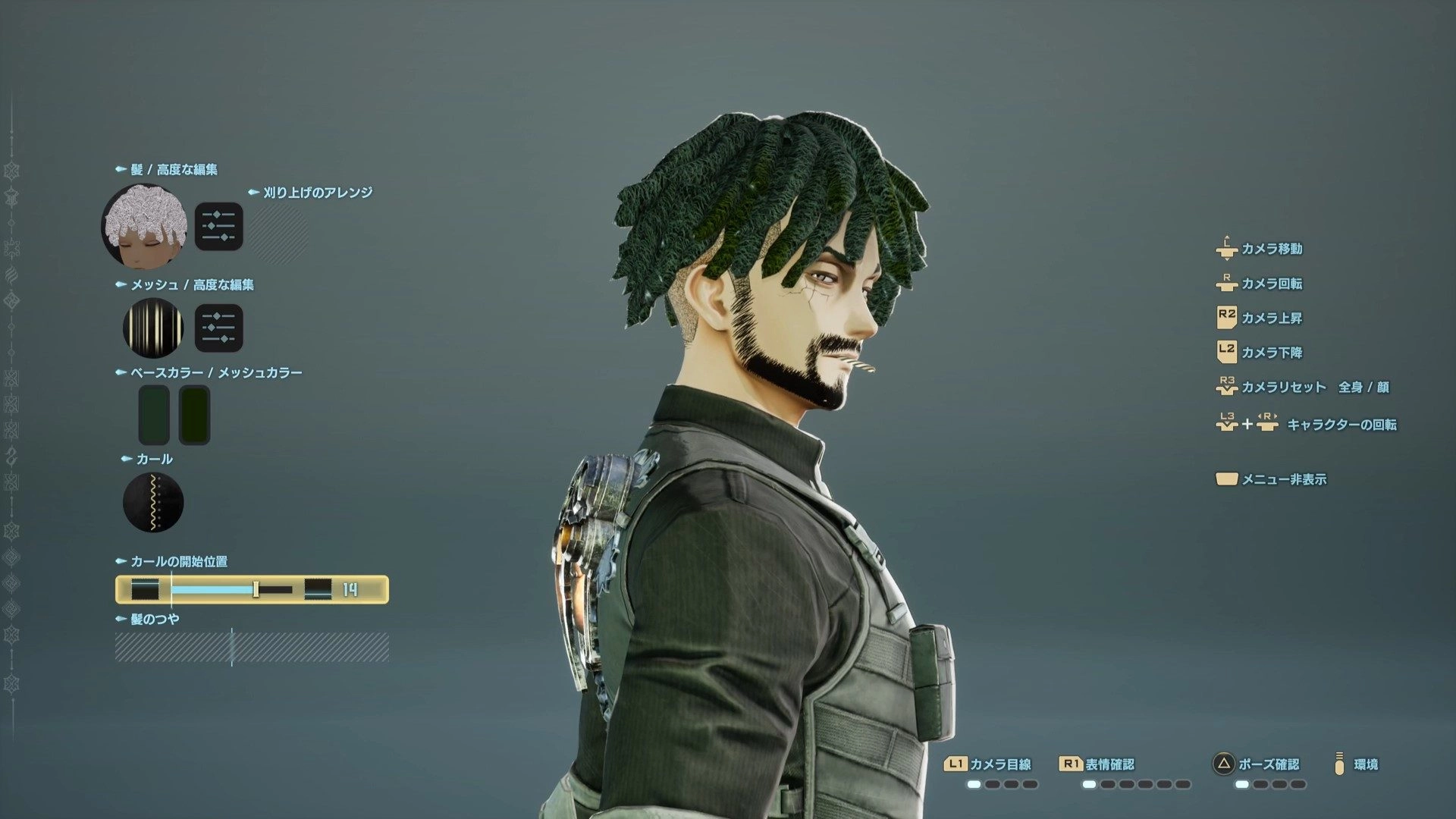
Character creation expands
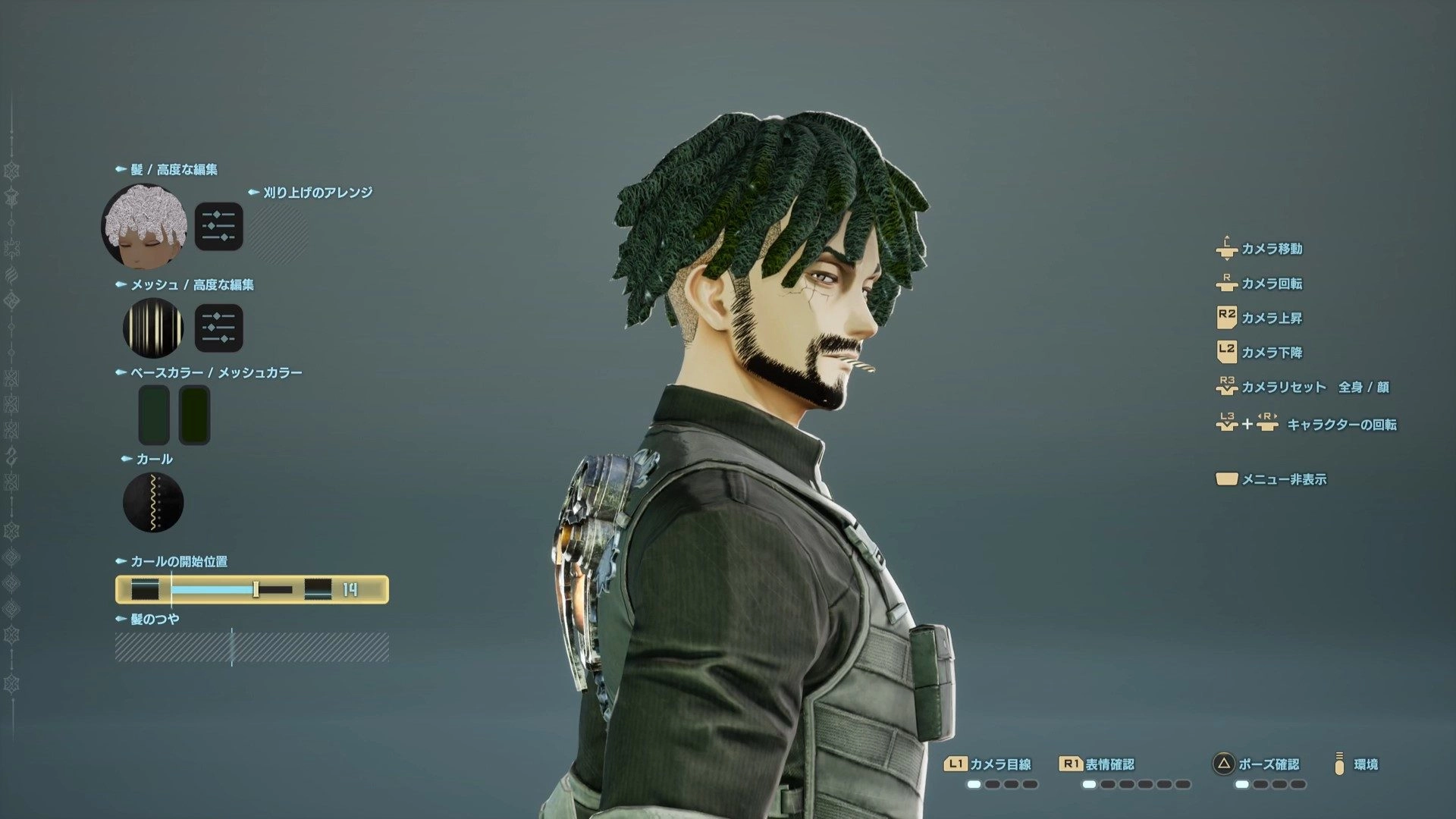
Customization grows in breadth with adjustable body types, new hair options and broader color gradients. Outfits can be mixed and matched via toggles, cloaks and hoods are handled as separate gear parts, and prior accessory cost limits have been removed to widen cosmetic freedom.
Design process and narrative integrity
Yoshimura continued using his documented “verbalization” approach – writing down every game element and mapping their connections – to keep a large project cohesive as expectations evolve. The team iterated from prototype to refine the action and maintain character integrity within a story that changes history.
“Maintaining consistency was tough, but ensuring characters felt alive mattered even more,” Yoshimura said, while Iizuka added that extensive rewrites aimed for a seamless flow despite timeline shifts.
Final takeaway – why this matters
Code Vein II focuses on choice‑driven storytelling and a two‑person combat dynamic enhanced by Summoning and Assimilation. For players, that means a harder, more tactical adventure where decisions and builds truly reshape the journey – and its ending.





Meet the Author



Article:
Read all

Solid Snake joins Rainbow Six Siege on March 3. Expect an intel-focused gadget, on-the-fly scavenging, a stealthy 4v4 event with Sam Fisher, and updates across maps and Operators.
 February 15, 2026
 86
86
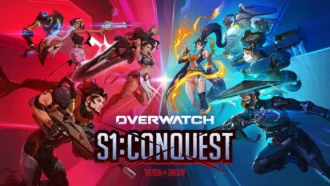
A year-long Overwatch narrative lands on Switch. Season 1 opens the Reign of Talon, adds 5 heroes, and introduces a 5-week faction event—setting the stage for updates through Season 6 in 2026.
February 14, 2026
83
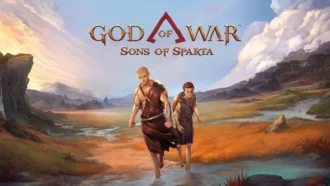
A new chapter in Kratos’ past arrives on PS5. Sons of Sparta shifts the series to 2D, exploring the Agoge with Deimos, classic Greek foes, skill trees, and Gifts of Olympus – all scored by Bear McCreary.
February 13, 2026
80
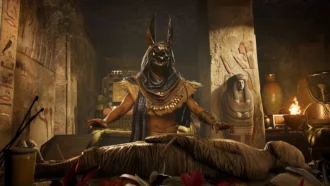
Assassin’s Creed Origins steps into the museum space as Ubisoft and the Musée de l’Homme unveil a nine-minute interactive walkthrough of ancient Egyptian embalming, part of the Mummies exhibition running November 2025 - May 2026.
February 13, 2026
77
Subscribe to “By-Gamers” on Telegram for gaming intel.
No filler, no fuss—just your daily XP boost. Hop in and level up, squad!


Read also
Solid Snake joins Rainbow Six Siege on March 3. Expect an intel-focused gadget, on-the-fly scavenging, a stealthy 4v4 event with Sam Fisher, and updates across maps and Operators.
February 15, 2026
86
A year-long Overwatch narrative lands on Switch. Season 1 opens the Reign of Talon, adds 5 heroes, and introduces a 5-week faction event—setting the stage for updates through Season 6 in 2026.
February 14, 2026
83
A new chapter in Kratos’ past arrives on PS5. Sons of Sparta shifts the series to 2D, exploring the Agoge with Deimos, classic Greek foes, skill trees, and Gifts of Olympus – all scored by Bear McCreary.
February 13, 2026
80
Assassin’s Creed Origins steps into the museum space as Ubisoft and the Musée de l’Homme unveil a nine-minute interactive walkthrough of ancient Egyptian embalming, part of the Mummies exhibition running November 2025 - May 2026.
February 13, 2026
77

High On Life 2 is out now, and its writers say the best gags start with the team cracking up first — then shaping bits so players help drive the punchlines. Here’s how Squanch approaches humor-by-design.
February 13, 2026
61
Rainbow Six Siege’s competitive year ends in Paris with a new twist: 1V1 NOW by Xbox Game Pass. Four regional standouts, 3.2k sign-ups behind them, clash Feb 14-15 for a share of $5,000 on the SI stage.
February 13, 2026
70
Fourteen Xbox titles arrive February 17-20 – from Star Trek: Voyager’s survival strategy to stealth in Styx and horror in Backrooms. Dates, platform notes, and core gameplay features inside.
February 13, 2026
63
Rayman’s 1995 debut returns in a multi-version package – with a first-ever playable SNES prototype, 120 bonus stages, a reimagined Christophe Héral soundtrack, and modern assists like a 60-second rewind.
February 13, 2026
62
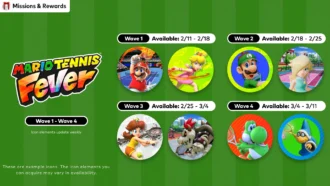
Mario Tennis Fever icon elements arrive on a ticking schedule—four waves across February-March 2026. Here are the exact PT dates, how to access them, and what the game brings to the court.
February 13, 2026
69
Nintendo serves up Mario Tennis Fever on Switch 2 with its biggest roster yet, 30 new Fever Rackets that twist rallies in wild ways, and a baby-themed Adventure Mode. Check the official trailer link inside.
February 13, 2026
67

Співпраця
Співпраця - текст
By-Gamers Newsletter!
Unlock special gaming deals, limited-time bundles, and more - sign up for By-gamers newsletter today!
