


Popular articles
- What Is Rivals of Aether? Game Type, Platforms, and Modes Explained
- Black Myth Wukong Guide – What To Expect From This Amazing New RPG
- Top 5 Gaming Thrones for a Luxurious Gaming Experience
- Is Sonic Triple Trouble 16-Bit Official? Who Is The Bad Guy in Sonic Triple Trouble?
- Among Us Original: Where and How To Play The Classic Game


Dark Quest 4’s design deep dive: rooms, traps and party rotation
Table of Content

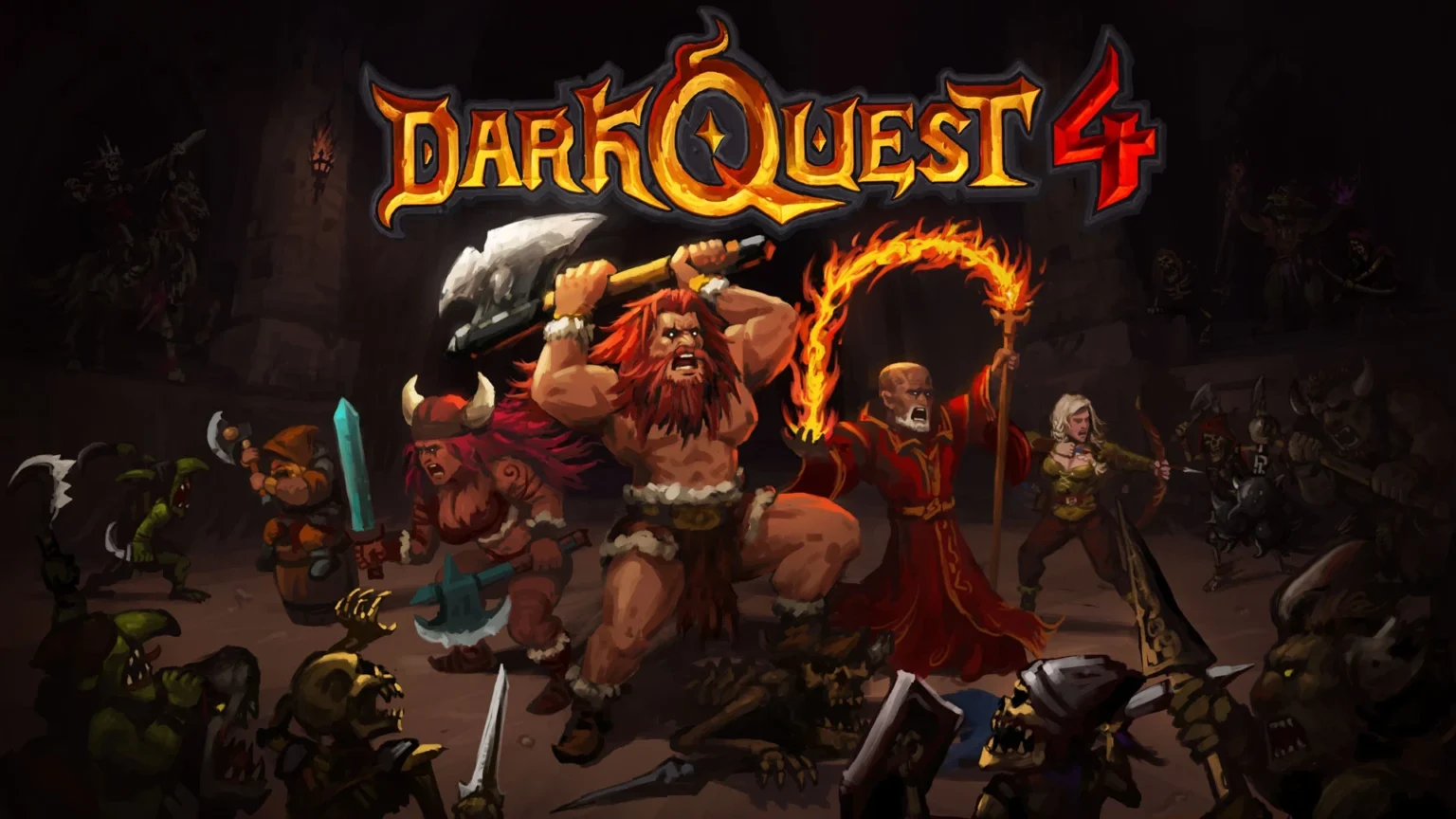
Dark Quest 4 arrives with a clear goal: keep the tactile, board-game feel while removing the busywork that slows dungeon crawlers down. The developers cite classic tabletop inspirations and double down on room-by-room exploration, strategic choices and a compact, readable playfield. To get there, they reworked map scale, traps, hero usage and campaign flow. The result aims to feel familiar to board-game fans – but more immediate on a screen.
From tabletop roots to a tighter screen experience
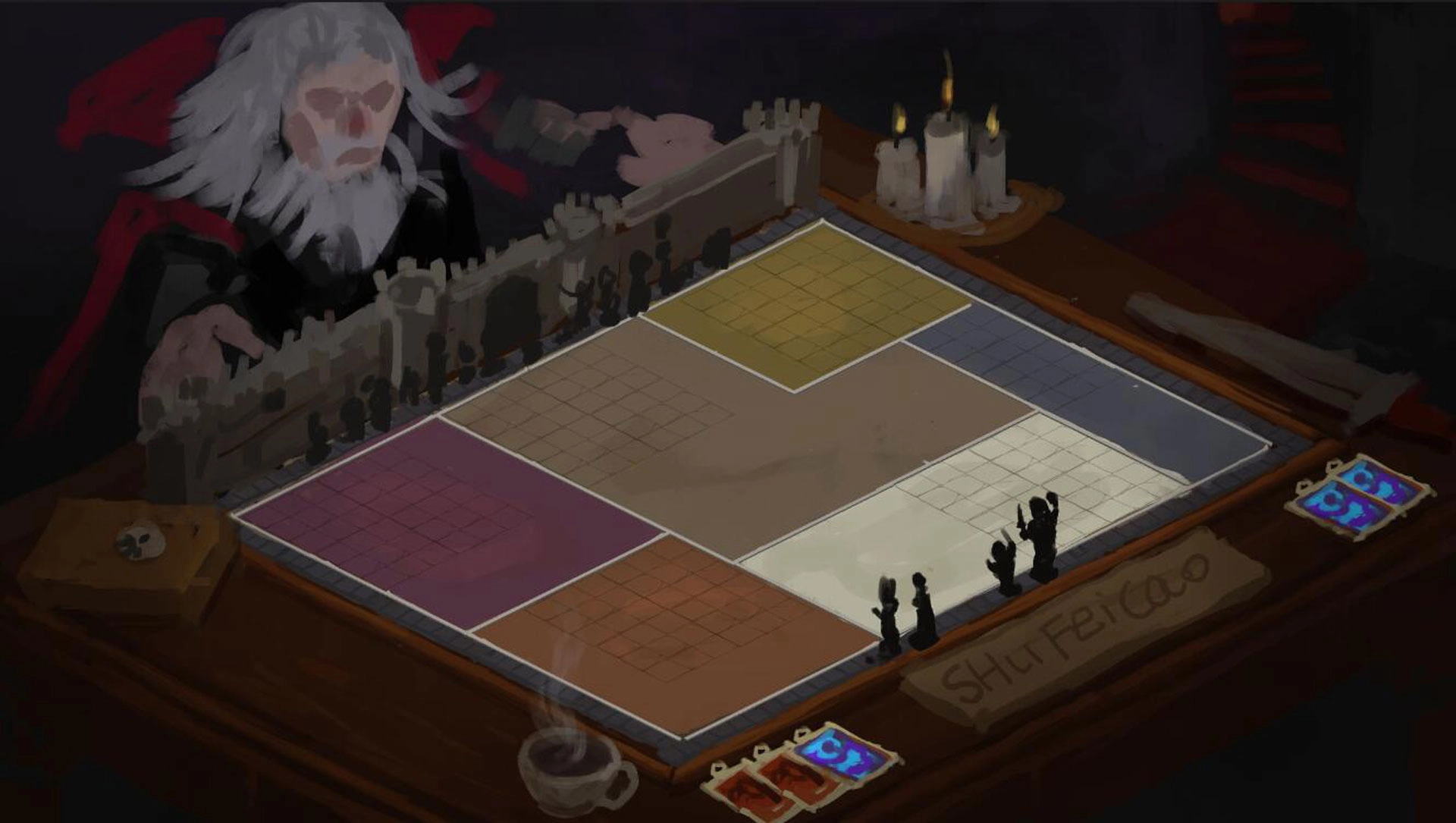
The project began with the feel of a physical dungeon crawl – heroes moving from room to room, discovering secrets and fighting monsters. Early tests with larger, more sprawling maps made the on-screen hero too small and muddied tactical clarity. The team shifted to a tighter scale to preserve clarity, readability and strategic focus, keeping the atmosphere of discovery without losing sight of the action.
Solving scale and visibility with verticality
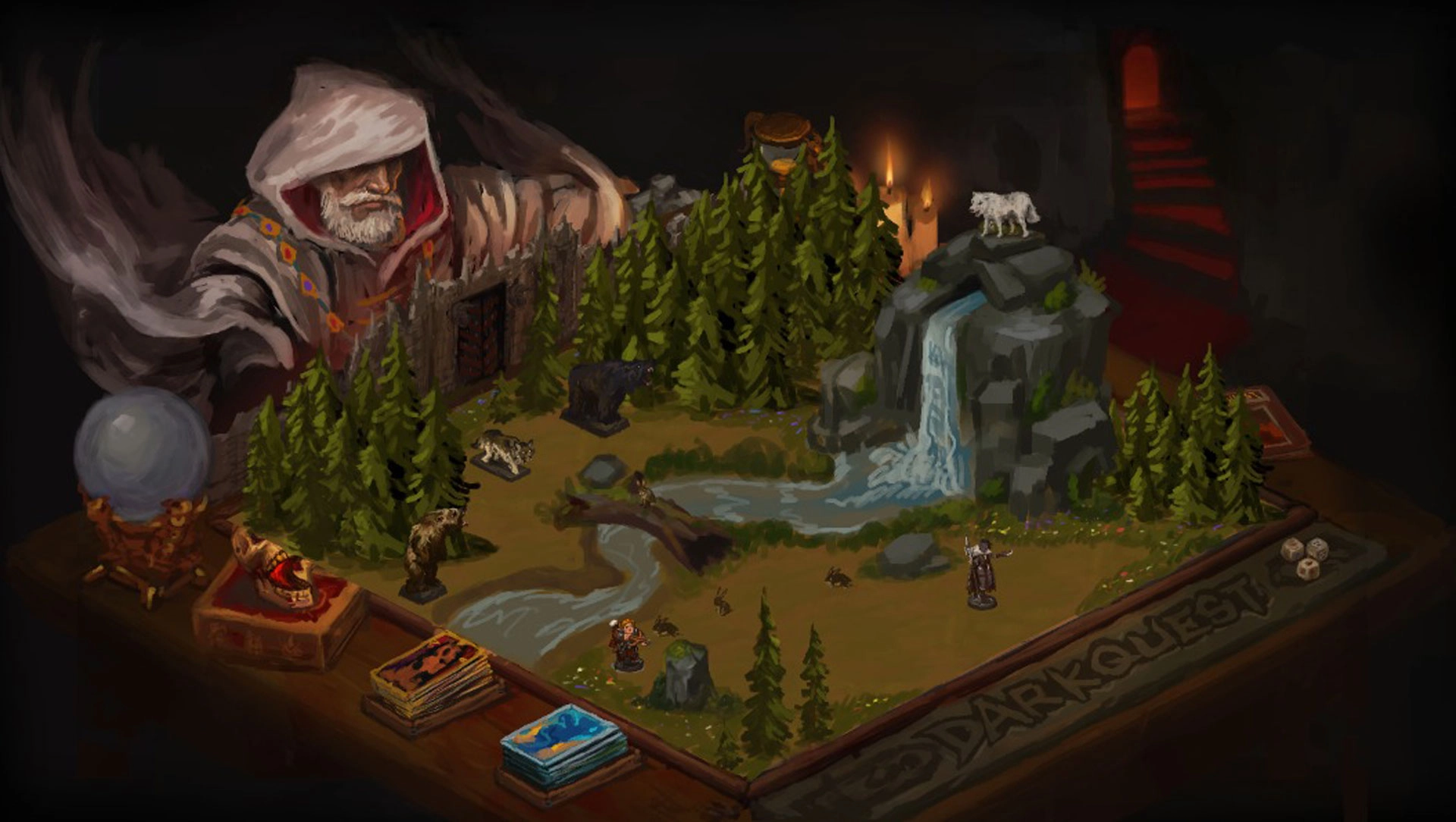
To balance exploration with clear visuals, each quest was split into multiple floors. Players move between levels via staircases, entering new areas with limited visibility to recapture that sense of the unknown. Floors maintain thematic consistency – encounter mummies early and you’ll likely face more mummies supported by new enemy types deeper in. Quest descriptions and notes offer subtle foreshadowing so players can prepare without spoiling surprises.
Traps become tactics, not gotchas
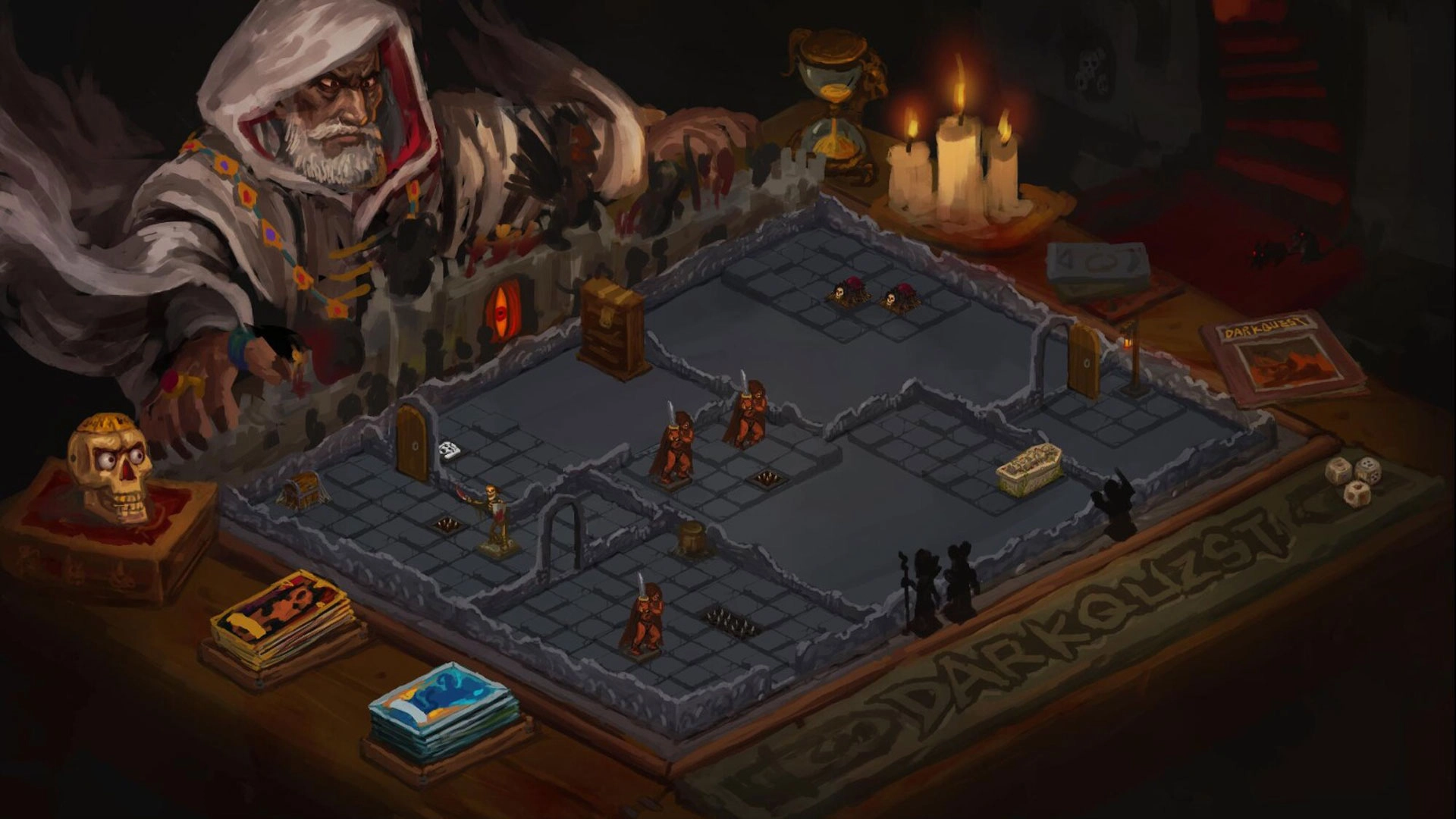
Invisible traps previously undercut planning and punished first-time runs. Dark Quest 4 repositions traps as visible, deliberate obstacles – often guarding doors or treasure. Triggering one becomes a choice: push through and accept the cost, or find another approach. In combat, falling into a trap is now a calculated trade-off rather than an arbitrary interruption.
Keeping heroes fresh with rotation
With ten available heroes, players tended to stick to favorites. The team introduced a light management layer to encourage experimentation: frequent use or a prior death lowers a hero’s starting health in the next quest, while benching a hero for a few missions restores their starting health. The system nudges party rotation so different compositions and strategies see play.
Read also our article: How Chun-Li was rebuilt for Fatal Fury: City of the Wolves
Campaign structure and the Hero Camp
After defining how a quest feels, the team built a campaign that advances a continuous narrative from mission to mission. The Hero Camp acts as a central hub where players buy cards, manage progression and prep for upcoming challenges. It’s the connective tissue tying exploration, strategy and story together.
Key mechanics at a glance
- Room-by-room exploration – preserves the board-game pacing and tension.
- Multi-floor quests – clearer visuals while maintaining a strong sense of discovery.
- Visible traps – transform hazards into strategic choices rather than surprises.
- Hero rotation system – exhaustion and recovery tweak starting health to encourage variety.
- Hero Camp hub – card purchases, progression management and mission prep.
- Couch co-op on Xbox – local multiplayer that mirrors the social feel of tabletop sessions.
Platform availability
The developers state that Dark Quest 4 is available now on Xbox, with support for couch co-op on the platform.
Final takeaway – strategy first, friction reduced
Dark Quest 4 focuses on decisions that matter – what room to enter, when to risk a trap, which heroes to bring – while trimming away slowdowns. For players who enjoy tactical dungeon crawls with a board-game heartbeat, its multi-floor structure, visible hazards and party rotation promise a clear, strategic loop built for repeat runs.





Meet the Author



Article:
Read all


Solid Snake joins Rainbow Six Siege on March 3. Expect an intel-focused gadget, on-the-fly scavenging, a stealthy 4v4 event with Sam Fisher, and updates across maps and Operators.
 February 15, 2026
 85
85

A year-long Overwatch narrative lands on Switch. Season 1 opens the Reign of Talon, adds 5 heroes, and introduces a 5-week faction event—setting the stage for updates through Season 6 in 2026.
February 14, 2026
82
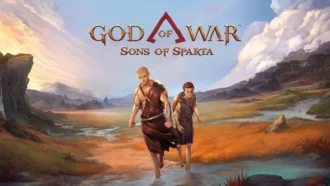
A new chapter in Kratos’ past arrives on PS5. Sons of Sparta shifts the series to 2D, exploring the Agoge with Deimos, classic Greek foes, skill trees, and Gifts of Olympus – all scored by Bear McCreary.
February 13, 2026
80
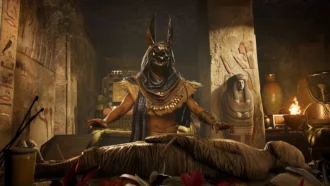
Assassin’s Creed Origins steps into the museum space as Ubisoft and the Musée de l’Homme unveil a nine-minute interactive walkthrough of ancient Egyptian embalming, part of the Mummies exhibition running November 2025 - May 2026.
February 13, 2026
77
Subscribe to “By-Gamers” on Telegram for gaming intel.
No filler, no fuss—just your daily XP boost. Hop in and level up, squad!


Read also
Solid Snake joins Rainbow Six Siege on March 3. Expect an intel-focused gadget, on-the-fly scavenging, a stealthy 4v4 event with Sam Fisher, and updates across maps and Operators.
February 15, 2026
85
A year-long Overwatch narrative lands on Switch. Season 1 opens the Reign of Talon, adds 5 heroes, and introduces a 5-week faction event—setting the stage for updates through Season 6 in 2026.
February 14, 2026
82
A new chapter in Kratos’ past arrives on PS5. Sons of Sparta shifts the series to 2D, exploring the Agoge with Deimos, classic Greek foes, skill trees, and Gifts of Olympus – all scored by Bear McCreary.
February 13, 2026
80
Assassin’s Creed Origins steps into the museum space as Ubisoft and the Musée de l’Homme unveil a nine-minute interactive walkthrough of ancient Egyptian embalming, part of the Mummies exhibition running November 2025 - May 2026.
February 13, 2026
77

High On Life 2 is out now, and its writers say the best gags start with the team cracking up first — then shaping bits so players help drive the punchlines. Here’s how Squanch approaches humor-by-design.
February 13, 2026
61

Rainbow Six Siege’s competitive year ends in Paris with a new twist: 1V1 NOW by Xbox Game Pass. Four regional standouts, 3.2k sign-ups behind them, clash Feb 14-15 for a share of $5,000 on the SI stage.
February 13, 2026
70
Fourteen Xbox titles arrive February 17-20 – from Star Trek: Voyager’s survival strategy to stealth in Styx and horror in Backrooms. Dates, platform notes, and core gameplay features inside.
February 13, 2026
63

Rayman’s 1995 debut returns in a multi-version package – with a first-ever playable SNES prototype, 120 bonus stages, a reimagined Christophe Héral soundtrack, and modern assists like a 60-second rewind.
February 13, 2026
62
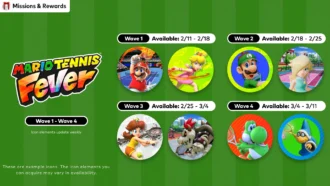
Mario Tennis Fever icon elements arrive on a ticking schedule—four waves across February-March 2026. Here are the exact PT dates, how to access them, and what the game brings to the court.
February 13, 2026
68

Nintendo serves up Mario Tennis Fever on Switch 2 with its biggest roster yet, 30 new Fever Rackets that twist rallies in wild ways, and a baby-themed Adventure Mode. Check the official trailer link inside.
February 13, 2026
67

Співпраця
Співпраця - текст
By-Gamers Newsletter!
Unlock special gaming deals, limited-time bundles, and more - sign up for By-gamers newsletter today!
