


Popular articles
- What Is Rivals of Aether? Game Type, Platforms, and Modes Explained
- Black Myth Wukong Guide – What To Expect From This Amazing New RPG
- Top 5 Gaming Thrones for a Luxurious Gaming Experience
- Is Sonic Triple Trouble 16-Bit Official? Who Is The Bad Guy in Sonic Triple Trouble?
- Among Us Original: Where and How To Play The Classic Game


Drag x Drive devs unpack mouse-style controls, tackling, and 3-on-3 play
Table of Content

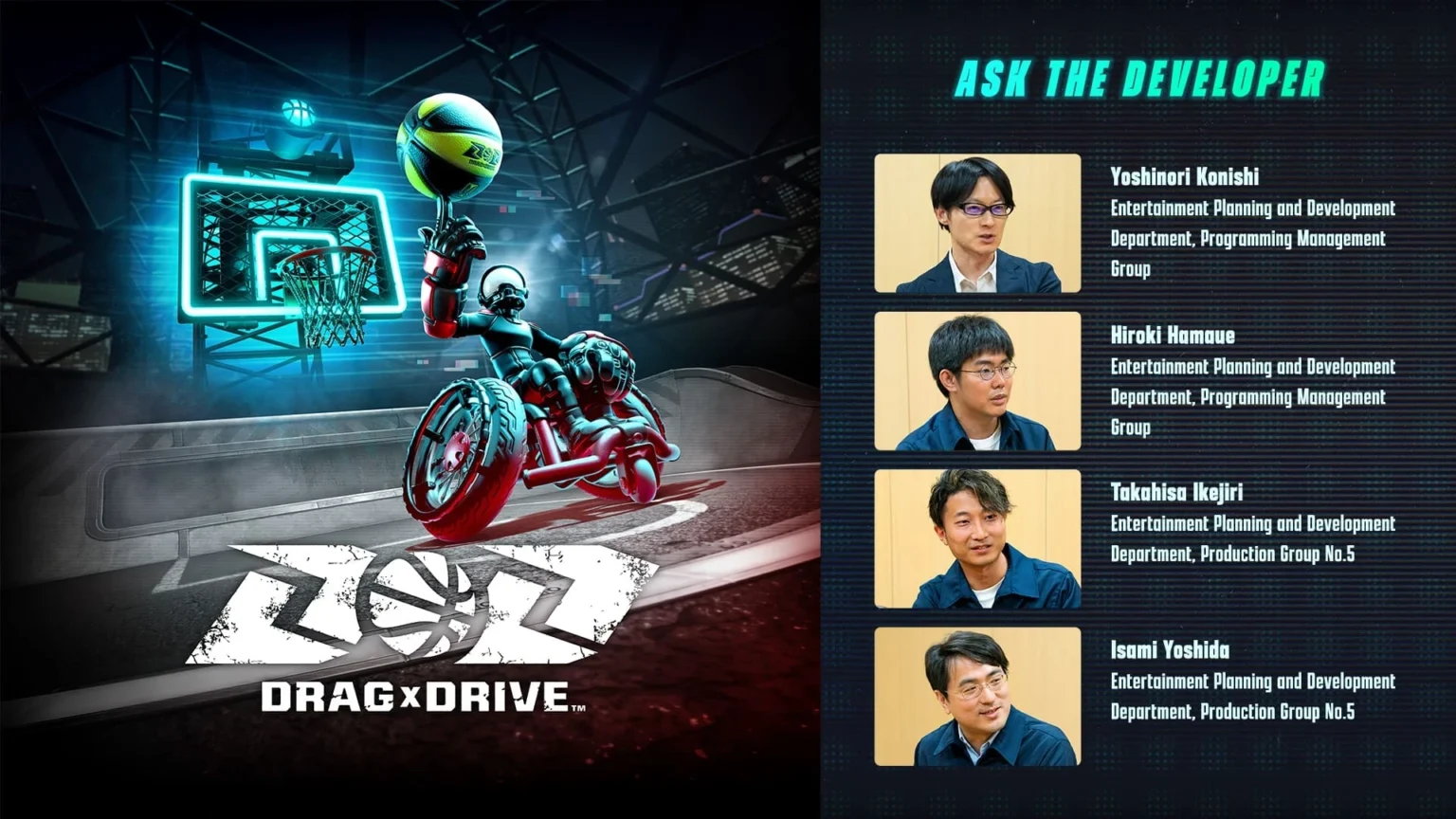
Nintendo has published Ask the Developer Vol. 20 (Part 1), focusing on Drag x Drive – a Nintendo Switch 2 sports title that launched on Thursday, August 14. The team outlines how the game blends wheelchair-inspired movement with arcade sports rules and an unconventional control scheme that slides both Joy-Con 2 like mice. The interview features director Yoshinori Konishi, programmer Hiroki Hamaue, designer Takahisa Ikejiri, and sound designer Isami Yoshida. Their discussion charts the project’s path from a prototype lab to a streamlined 3-on-3 competitive experience, plus the research that shaped it.
Part 1 centers on the concept, controls, and early tuning work; Nintendo also points to follow-ups titled “Part 2: Three challenges, one solution” and “Part 3: Park vibes”.

What Nintendo revealed in Part 1
Konishi describes Drag x Drive as a sports experience built around intuitive mouse-like movement using both Joy-Con 2 in tandem. The premise is rooted in wheelchair sports culture and action sports energy, leading to compact 3-on-3 matches that prioritize positioning, momentum, and timing over complex inputs. The team carefully pruned mechanics to emphasize a single, satisfying physical action – sliding – then layered in assistive systems to keep control readable and responsive.
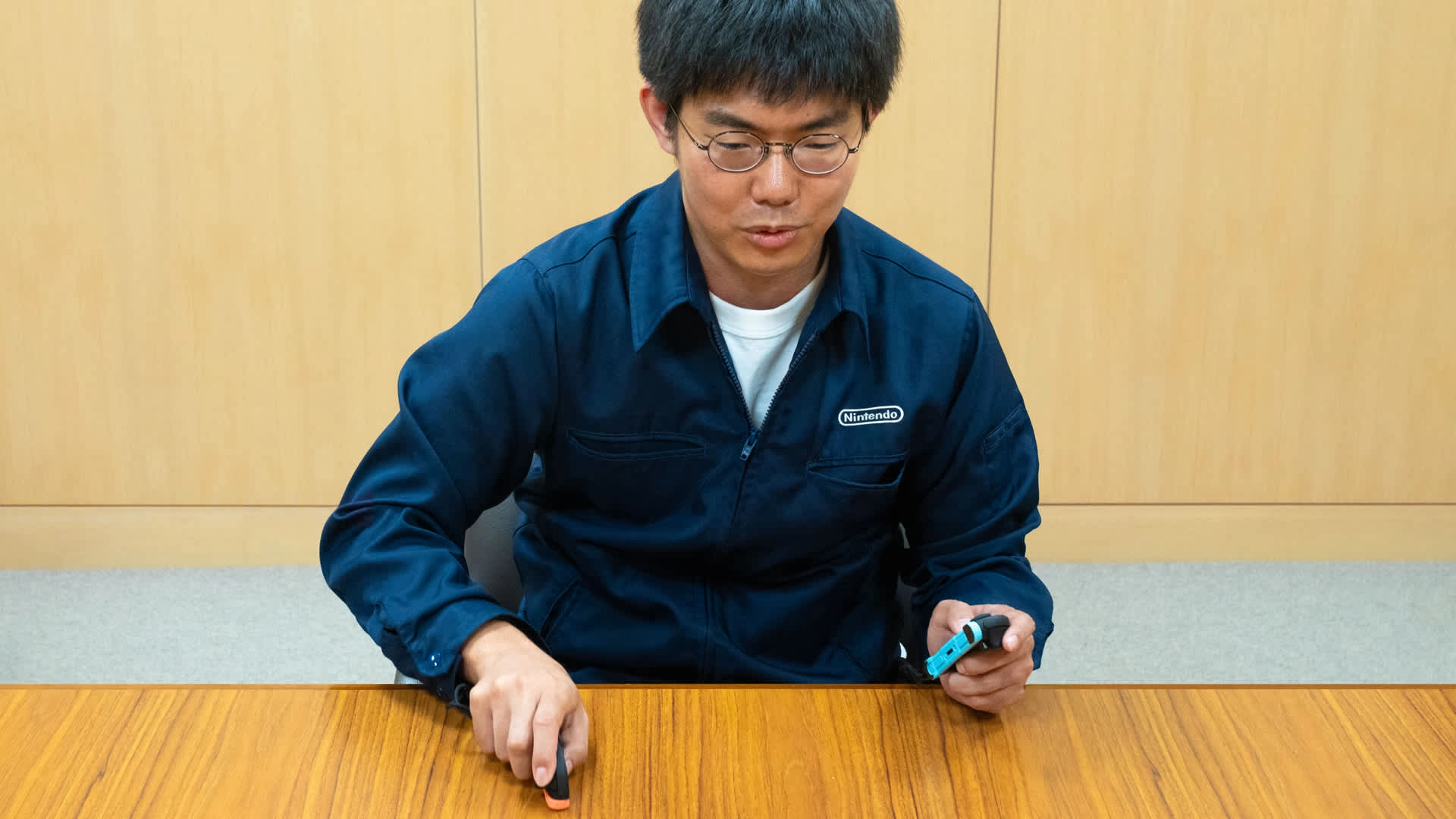
“You play by moving the two Joy-Con 2 controllers like mice,” explains director Yoshinori Konishi.
Core concept and match flow
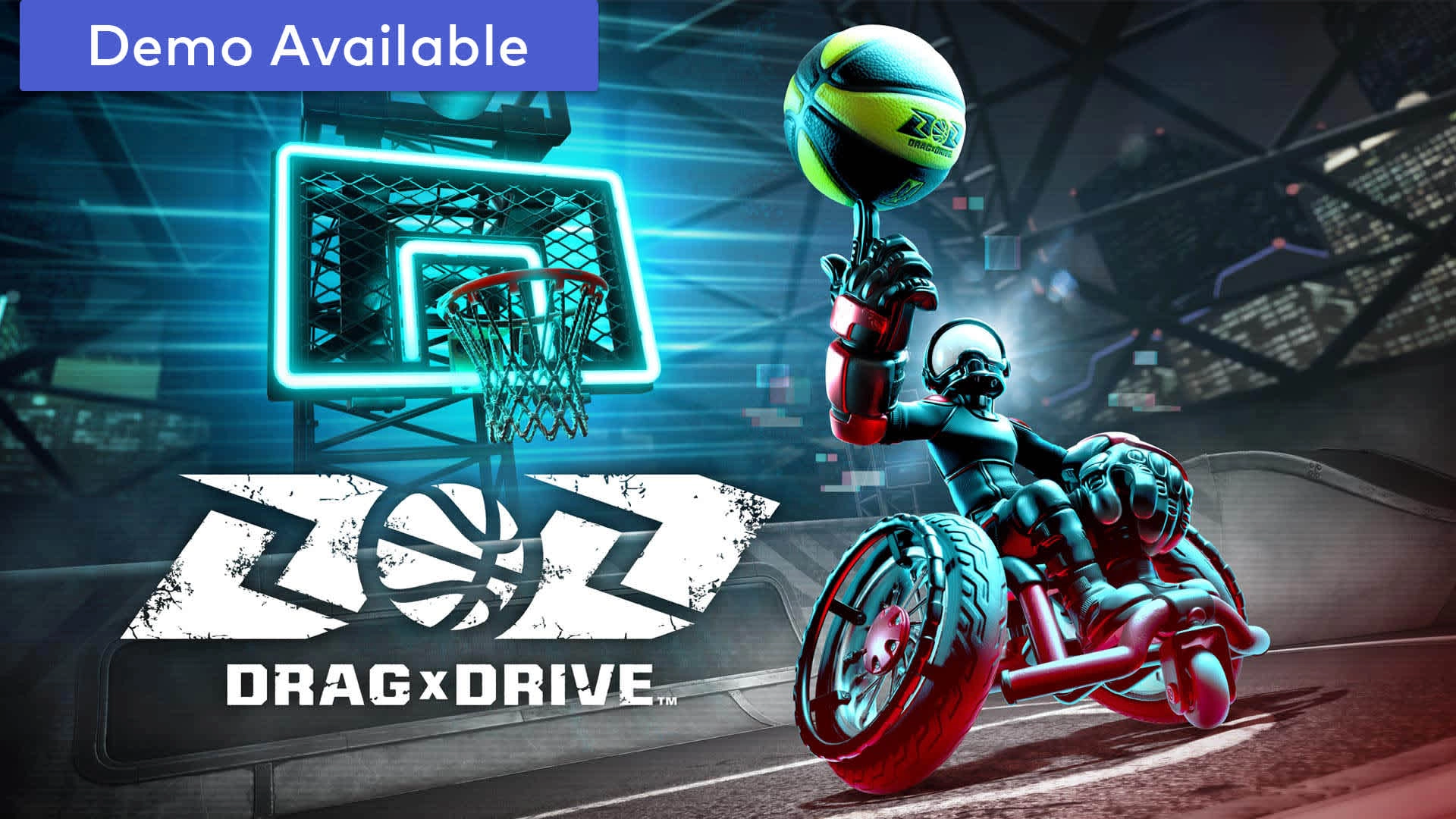
Drag x Drive draws on wheelchair basketball, wheelchair rugby, wheelchair motocross, BMX, and skateboarding for its movement and arenas. The ruleset leans toward approachability:
- 3-on-3 competitions focused on space control and momentum.
- No dribbling – possession changes on a tackle, simplifying ball contests.
- Flick to shoot near the basket, pairing the slide-to-move input with a natural throwing motion.
- Courses incorporate sport-park influences, including elements like a half-pipe under the goal to shape tactics and flow.
The end result places most decision-making on navigation and timing – when to burst forward, when to pivot, and when to commit to a tackle – rather than mastering a long button list.
How the mouse controls were born
Programmer Hiroki Hamaue began prototyping roughly two years prior, experimenting after learning the next console’s controller would support mouse functionality. He iterated on “single-axis” sliding – pushing and pulling a mouse-style input – as a core action that could involve the whole upper body. HD rumble 2 feedback proved pivotal: adding a synchronized rattling sensation made the slides feel like gripping and turning real wheels.
Hamaue recalls the breakthrough: “Hey, this feels a bit like maneuvering a wheelchair.”
Read also our article: Animal Crossing: New Horizons icons land on NSO – dates and access
Early experiments included a chainsaw concept to test vertical pulls and swings; that physicality informed the final movement model. Ultimately, the team consolidated inputs to keep the experience learnable and satisfying rather than overloading players with simultaneous stick-plus-button demands.
Tuning the feel: straightness correction and handling
The first turning point was stability. According to Konishi, directly mapping left and right slides to individual “wheels” caused drift – tiny strength differences between hands nudged the chair off course. The team introduced a “straightness correction” that aligns wheel rotation when both inputs are detected as forward to a certain threshold, making forward travel more predictable.
That foundation enabled systematic tuning – roughly two to three weeks for straight-line and turning adjustments, followed by about two months iterating on game rules. Testing revealed that crashing into obstacles felt more satisfying than avoiding them, which informed the tackle-first possession design and ring-based experiments that crystallized the game’s combative, readable flow.
Art and sound: clarity over clutter
Art director and character designer Takahisa Ikejiri emphasized responsiveness: arms and wheels are visually prioritized so players quickly read movement states. The rest of the presentation remains intentionally succinct to reduce noise. Sound designer Isami Yoshida coordinated closely with composers to ensure sound effects and music support the game’s world and the feel of movement, aligning audio feedback with the mouse-like slides and HD rumble 2 cues.
Field research and athlete feedback
The team immersed itself in reference materials and brought both everyday and sports wheelchairs into the office for hands-on study, even navigating tight, after-hours test runs due to the project’s confidentiality. They also attended a wheelchair basketball experience event in Osaka, where the difficulty of shooting from a seated position and the finesse of propulsion timing informed balancing decisions.
Mid-development, real wheelchair basketball players tried the prototype. Their mastery of turns and backward movement validated the control model’s intuitiveness, and their comfort with the game’s deviations – no dribble, tackles, park-like arenas – reassured the team about accessibility and fun. Developers say the athletes’ enthusiasm suggested the game could help spotlight the sport.
At a glance: Drag x Drive essentials
Below is a concise snapshot of the hard facts shared in Part 1. It highlights platform, release timing, and the control philosophy that anchors the design.
Final takeaway – why this matters for players
Drag x Drive marries a physically expressive input with readable, competitive rules, aiming to lower the barrier to play while keeping mastery anchored in movement and timing. If you’re drawn to motion-forward sports games or curious about new control ideas on Switch 2, this developer deep dive sets clear expectations: hands-on feel comes first, and the rules are built around it.






Meet the Author



Article:
Read all


Solid Snake joins Rainbow Six Siege on March 3. Expect an intel-focused gadget, on-the-fly scavenging, a stealthy 4v4 event with Sam Fisher, and updates across maps and Operators.
 February 15, 2026
 85
85
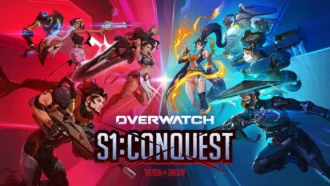
A year-long Overwatch narrative lands on Switch. Season 1 opens the Reign of Talon, adds 5 heroes, and introduces a 5-week faction event—setting the stage for updates through Season 6 in 2026.
February 14, 2026
82
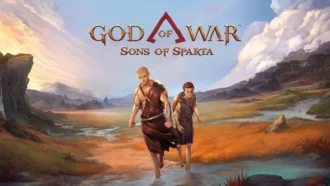
A new chapter in Kratos’ past arrives on PS5. Sons of Sparta shifts the series to 2D, exploring the Agoge with Deimos, classic Greek foes, skill trees, and Gifts of Olympus – all scored by Bear McCreary.
February 13, 2026
79

Assassin’s Creed Origins steps into the museum space as Ubisoft and the Musée de l’Homme unveil a nine-minute interactive walkthrough of ancient Egyptian embalming, part of the Mummies exhibition running November 2025 - May 2026.
February 13, 2026
76
Subscribe to “By-Gamers” on Telegram for gaming intel.
No filler, no fuss—just your daily XP boost. Hop in and level up, squad!


Read also
Solid Snake joins Rainbow Six Siege on March 3. Expect an intel-focused gadget, on-the-fly scavenging, a stealthy 4v4 event with Sam Fisher, and updates across maps and Operators.
February 15, 2026
85
A year-long Overwatch narrative lands on Switch. Season 1 opens the Reign of Talon, adds 5 heroes, and introduces a 5-week faction event—setting the stage for updates through Season 6 in 2026.
February 14, 2026
82
A new chapter in Kratos’ past arrives on PS5. Sons of Sparta shifts the series to 2D, exploring the Agoge with Deimos, classic Greek foes, skill trees, and Gifts of Olympus – all scored by Bear McCreary.
February 13, 2026
79
Assassin’s Creed Origins steps into the museum space as Ubisoft and the Musée de l’Homme unveil a nine-minute interactive walkthrough of ancient Egyptian embalming, part of the Mummies exhibition running November 2025 - May 2026.
February 13, 2026
76

High On Life 2 is out now, and its writers say the best gags start with the team cracking up first — then shaping bits so players help drive the punchlines. Here’s how Squanch approaches humor-by-design.
February 13, 2026
61
Rainbow Six Siege’s competitive year ends in Paris with a new twist: 1V1 NOW by Xbox Game Pass. Four regional standouts, 3.2k sign-ups behind them, clash Feb 14-15 for a share of $5,000 on the SI stage.
February 13, 2026
70
Fourteen Xbox titles arrive February 17-20 – from Star Trek: Voyager’s survival strategy to stealth in Styx and horror in Backrooms. Dates, platform notes, and core gameplay features inside.
February 13, 2026
63
Rayman’s 1995 debut returns in a multi-version package – with a first-ever playable SNES prototype, 120 bonus stages, a reimagined Christophe Héral soundtrack, and modern assists like a 60-second rewind.
February 13, 2026
62
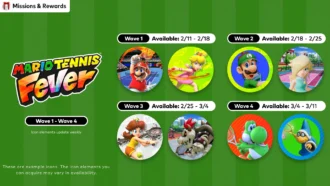
Mario Tennis Fever icon elements arrive on a ticking schedule—four waves across February-March 2026. Here are the exact PT dates, how to access them, and what the game brings to the court.
February 13, 2026
68
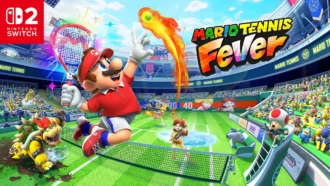
Nintendo serves up Mario Tennis Fever on Switch 2 with its biggest roster yet, 30 new Fever Rackets that twist rallies in wild ways, and a baby-themed Adventure Mode. Check the official trailer link inside.
February 13, 2026
67

Співпраця
Співпраця - текст
By-Gamers Newsletter!
Unlock special gaming deals, limited-time bundles, and more - sign up for By-gamers newsletter today!
