


Popular articles
- What Is Rivals of Aether? Game Type, Platforms, and Modes Explained
- Black Myth Wukong Guide – What To Expect From This Amazing New RPG
- Top 5 Gaming Thrones for a Luxurious Gaming Experience
- Is Sonic Triple Trouble 16-Bit Official? Who Is The Bad Guy in Sonic Triple Trouble?
- Among Us Original: Where and How To Play The Classic Game


How Dragon Quest Vii Reimagined Modernizes a 100-Hour Classic on Ps5
Table of Content

Dragon Quest VII Reimagined launches on PlayStation 5 on February 5, reinterpreting the 2000 PlayStation RPG for modern audiences. Producer Takeshi Ichikawa outlines a ground-up rebuild anchored by three pillars – story, visuals, and combat. The remake embraces a distinctive diorama, doll-like art style, refines the sprawling narrative, and introduces fresh mechanics and side content. It also adds voice-overs to Dragon Quest VII for the first time.
The creative team revisited every system and scene more than 25 years after the original release, aiming for what they call “nostalgic yet innovative” – preserving the core identity while modernizing how it plays and looks on current hardware.

Release and Scope
The team positions this project as a full remake rather than a remaster – a rebuild intended to be approachable for returning fans and newcomers alike. The original’s reputation for a 100-plus-hour adventure remains, but the structure has been carefully reworked to improve clarity and momentum.
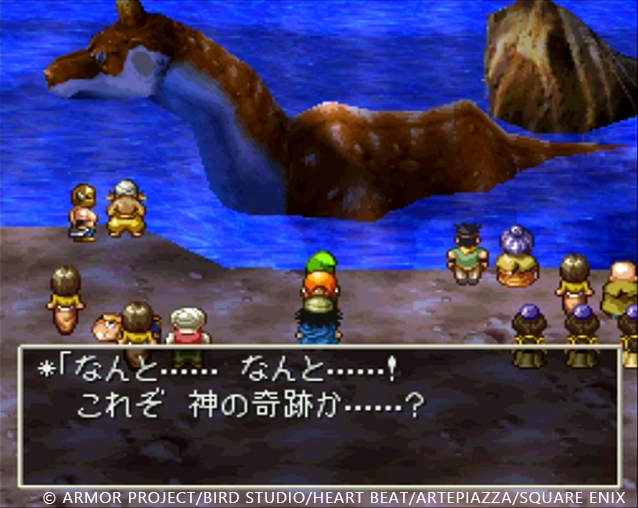
“We aimed to preserve Dragon Quest VII’s signature essence and nostalgic charm while adding new touches that fit a modern installment,” said producer Takeshi Ichikawa on the PlayStation Blog.
Story and Structure – Streamlined, with New Arcs

While the mood and themes of the original remain, the developers trimmed or condensed sections that did not impact the core narrative. At the same time, they added new scenarios – most notably a storyline that reunites the protagonist with an adult Kiefer. Ichikawa describes the world’s tone as often “irrational,” with an unflinching look at human nature – a quality the team sought to preserve while tightening pacing.
Series creator Yuji Horii endorsed the structural approach and provided hands-on feedback during development. One notable change is the main menu’s shift to tab-based navigation instead of traditional pop-up windows, with Horii suggesting UI tweaks – including the shopping interface – to improve usability.

Visual Direction – Handcrafted Dolls Meet Diorama Towns
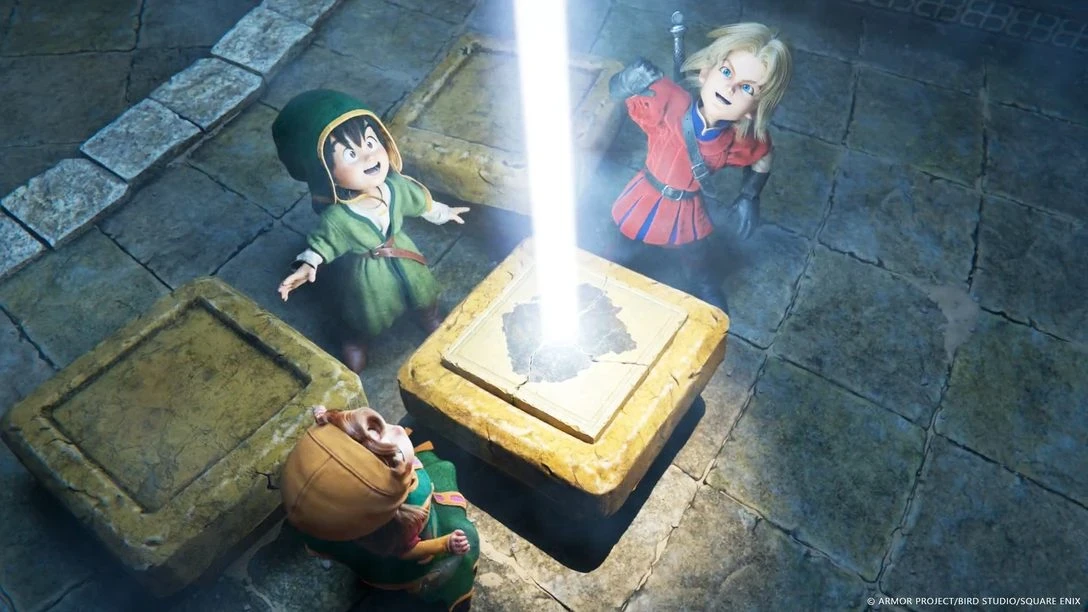
The remake adopts a doll-inspired aesthetic that complements Akira Toriyama’s shorter-proportioned character designs from the original. To capture tangible texture, the team worked with Studio Nova, commissioning handcrafted wooden dolls of the main cast, then scanning and converting those into game-ready models. The result is a 3D diorama look with visible fabrics, wear, and small flourishes – from Kiefer’s plush royal attire to the scuffed leather shoes of the fisherman’s son protagonist.

Environments follow suit: towns are styled like dioramas and interiors like dollhouses, with Estard Island receiving extra attention as the starting showcase. A signature mechanic returns intact – players can spin the camera to search for hidden chests, pots, and barrels.
Combat – Faster Encounters, Trickier Bosses

Read also our article: Assassin’s Creed Gear Lands in the Division 2 for a Short Event
Regular encounters were rebuilt to be quick and snappy, aided by battle speed options and a new Field Attack that lets an experienced party one-shot weaker enemies. By contrast, major fights are tuned to be more deliberate and strategic, with balance adjustments that received direct feedback from Horii.
The reworked Vocation system adds dynamism. Characters can become “worked up” mid-fight and “let loose” with Vocation-specific perks. Later, the Moonlighting feature allows two Vocations at once, letting players equip two Vocational Perks and combine skill sets and attributes. Example pairings include warrior + martial artist for heavy offense or warrior + priest for balanced utility. Mastering warrior and martial artist unlocks the gladiatrix, which can then be paired with Beginner or Intermediate Vocations.

New Side Content – Solo Battle Arena and Lucky Panel
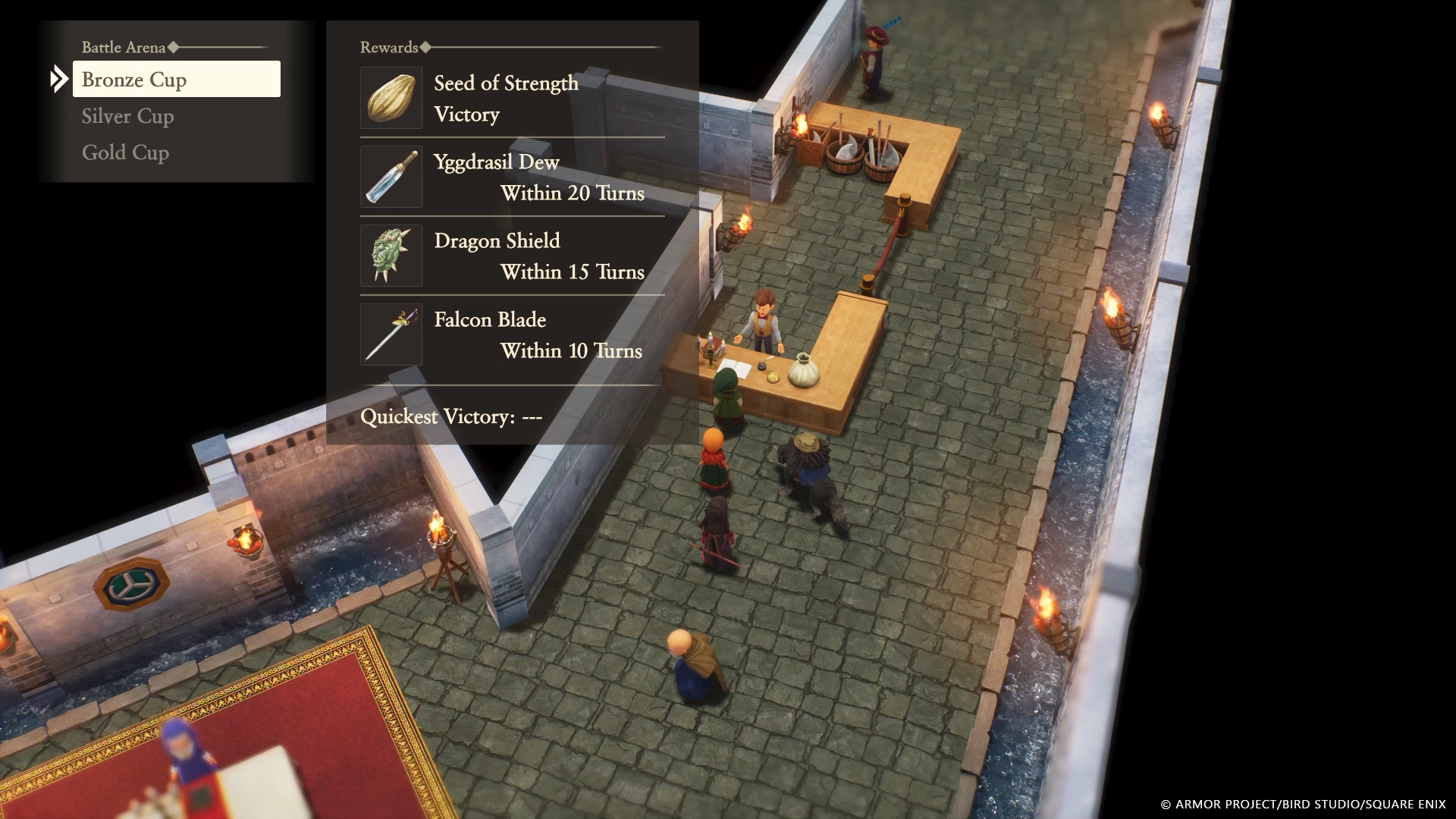
The remake adds a Battle Arena at Buccanham Palace with a different format from standard combat. Instead of a four-person party, players send in a single character to clear challenges for rewards, with extra prizes for finishing within a set number of turns. It is designed as an optional test of skill and a way to nudge progression.

The Lucky Panel can also grant powerful items or weapons earlier than usual. As Horii jokingly calls it, this can feel like “cheating,” but it is intended as a playful system that rewards persistence.
Audio and Presentation – Voice-Overs Debut for Dqvii
For the first time in any version of Dragon Quest VII, the remake adds full voice-overs to story scenes and battles, aiming to heighten immersion and character presence. Combined with the new UI and diorama presentation, the team’s goal is to maintain familiarity while delivering a cleaner, more modern experience.
Final Takeaway – a Careful Balance of Past and Present

Arriving more than a quarter-century after the 2000 original – and alongside the series’ ongoing anniversary celebrations – Dragon Quest VII Reimagined focuses on respecting a classic while removing friction. For players, that means a sprawling RPG that feels closer to today’s standards without losing the tone, structure, or exploration beats that defined it.




Meet the Author



Article:
Read all

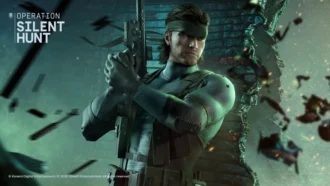
Solid Snake joins Rainbow Six Siege on March 3. Expect an intel-focused gadget, on-the-fly scavenging, a stealthy 4v4 event with Sam Fisher, and updates across maps and Operators.
 February 15, 2026
 85
85
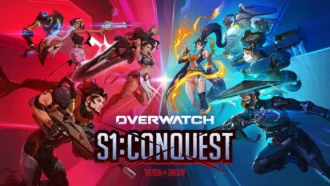
A year-long Overwatch narrative lands on Switch. Season 1 opens the Reign of Talon, adds 5 heroes, and introduces a 5-week faction event—setting the stage for updates through Season 6 in 2026.
February 14, 2026
82
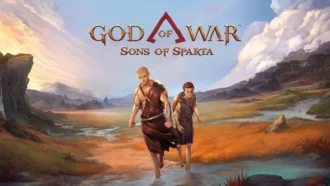
A new chapter in Kratos’ past arrives on PS5. Sons of Sparta shifts the series to 2D, exploring the Agoge with Deimos, classic Greek foes, skill trees, and Gifts of Olympus – all scored by Bear McCreary.
February 13, 2026
79
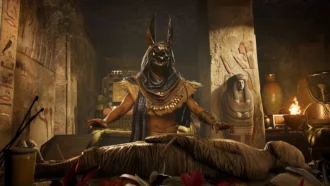
Assassin’s Creed Origins steps into the museum space as Ubisoft and the Musée de l’Homme unveil a nine-minute interactive walkthrough of ancient Egyptian embalming, part of the Mummies exhibition running November 2025 - May 2026.
February 13, 2026
76
Subscribe to “By-Gamers” on Telegram for gaming intel.
No filler, no fuss—just your daily XP boost. Hop in and level up, squad!


Read also
Solid Snake joins Rainbow Six Siege on March 3. Expect an intel-focused gadget, on-the-fly scavenging, a stealthy 4v4 event with Sam Fisher, and updates across maps and Operators.
February 15, 2026
85
A year-long Overwatch narrative lands on Switch. Season 1 opens the Reign of Talon, adds 5 heroes, and introduces a 5-week faction event—setting the stage for updates through Season 6 in 2026.
February 14, 2026
82
A new chapter in Kratos’ past arrives on PS5. Sons of Sparta shifts the series to 2D, exploring the Agoge with Deimos, classic Greek foes, skill trees, and Gifts of Olympus – all scored by Bear McCreary.
February 13, 2026
79
Assassin’s Creed Origins steps into the museum space as Ubisoft and the Musée de l’Homme unveil a nine-minute interactive walkthrough of ancient Egyptian embalming, part of the Mummies exhibition running November 2025 - May 2026.
February 13, 2026
76

High On Life 2 is out now, and its writers say the best gags start with the team cracking up first — then shaping bits so players help drive the punchlines. Here’s how Squanch approaches humor-by-design.
February 13, 2026
61
Rainbow Six Siege’s competitive year ends in Paris with a new twist: 1V1 NOW by Xbox Game Pass. Four regional standouts, 3.2k sign-ups behind them, clash Feb 14-15 for a share of $5,000 on the SI stage.
February 13, 2026
70
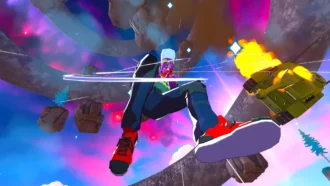
Fourteen Xbox titles arrive February 17-20 – from Star Trek: Voyager’s survival strategy to stealth in Styx and horror in Backrooms. Dates, platform notes, and core gameplay features inside.
February 13, 2026
63
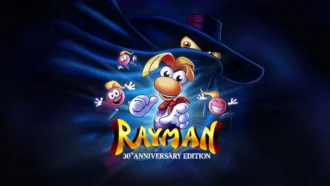
Rayman’s 1995 debut returns in a multi-version package – with a first-ever playable SNES prototype, 120 bonus stages, a reimagined Christophe Héral soundtrack, and modern assists like a 60-second rewind.
February 13, 2026
62
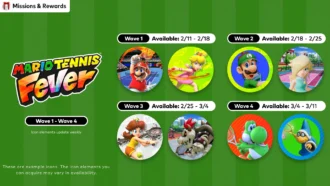
Mario Tennis Fever icon elements arrive on a ticking schedule—four waves across February-March 2026. Here are the exact PT dates, how to access them, and what the game brings to the court.
February 13, 2026
68
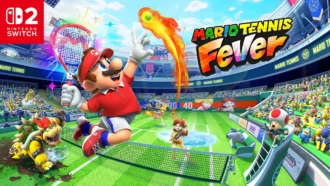
Nintendo serves up Mario Tennis Fever on Switch 2 with its biggest roster yet, 30 new Fever Rackets that twist rallies in wild ways, and a baby-themed Adventure Mode. Check the official trailer link inside.
February 13, 2026
67

Співпраця
Співпраця - текст
By-Gamers Newsletter!
Unlock special gaming deals, limited-time bundles, and more - sign up for By-gamers newsletter today!
