


Popular articles
- What Is Rivals of Aether? Game Type, Platforms, and Modes Explained
- Black Myth Wukong Guide – What To Expect From This Amazing New RPG
- Top 5 Gaming Thrones for a Luxurious Gaming Experience
- Is Sonic Triple Trouble 16-Bit Official? Who Is The Bad Guy in Sonic Triple Trouble?
- Among Us Original: Where and How To Play The Classic Game


Inside Ghost of Yōtei’s Spider Lily General – how Sucker Punch built its creepiest Mythic Tale
Table of Content

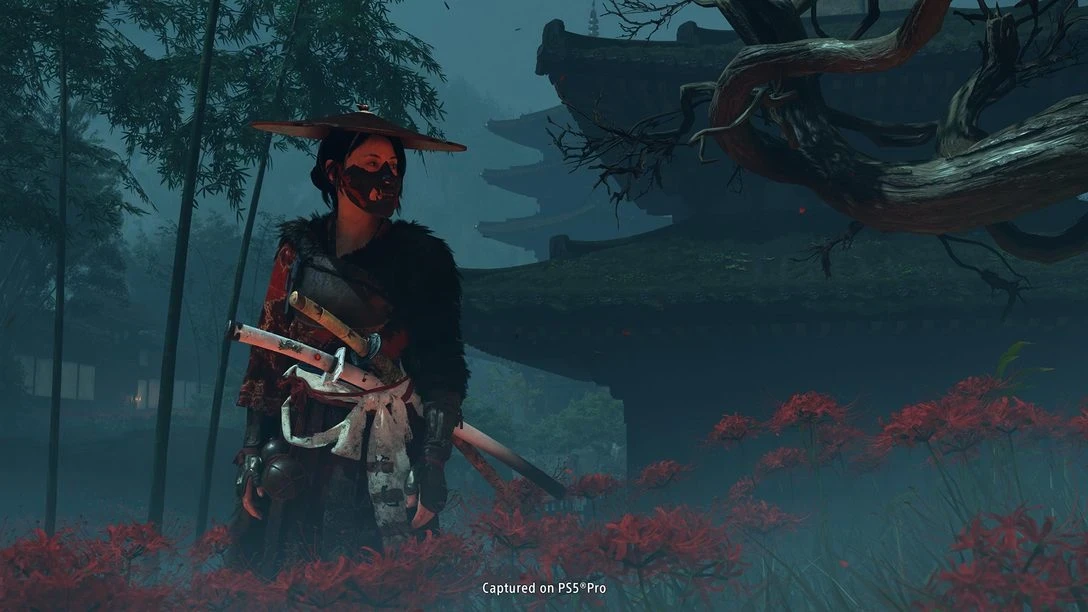
Ghost of Yōtei’s side-quest “The Spider Lily General” has quickly become a standout Mythic-style tale, and the studio has now explained how it came together. Creative Directors Nate Fox and Jason Connell outlined the quest’s early origins, its tragic narrative core, and the ways its horror mood was engineered to feel distinct from the main adventure. The team also unpacked the real-world symbolism behind spider lilies and why the flowers double as a navigation tool. According to Sucker Punch, the mission didn’t just resonate with players – it also helped set the creative bar for the rest of the project.
Where this myth began
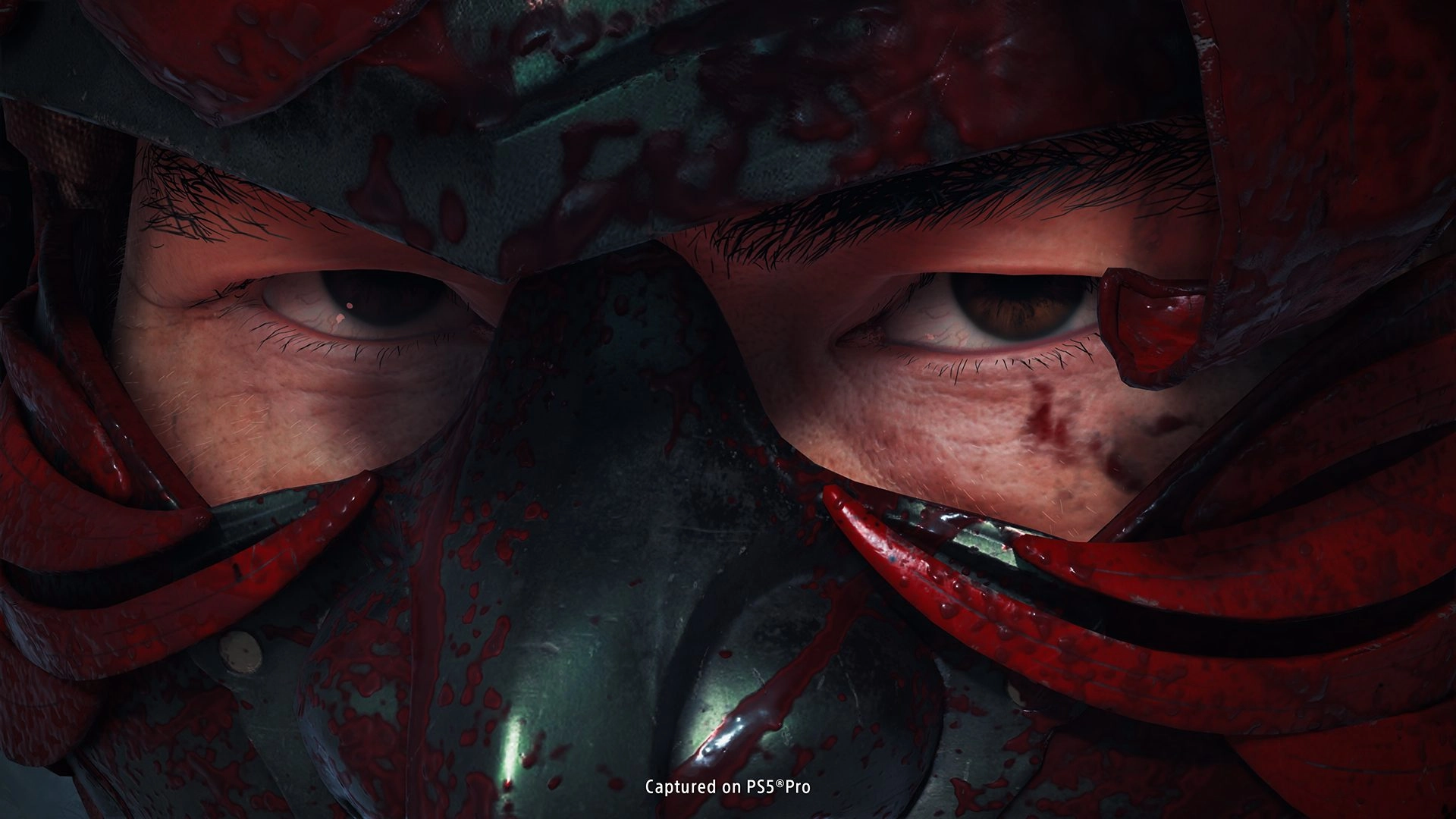
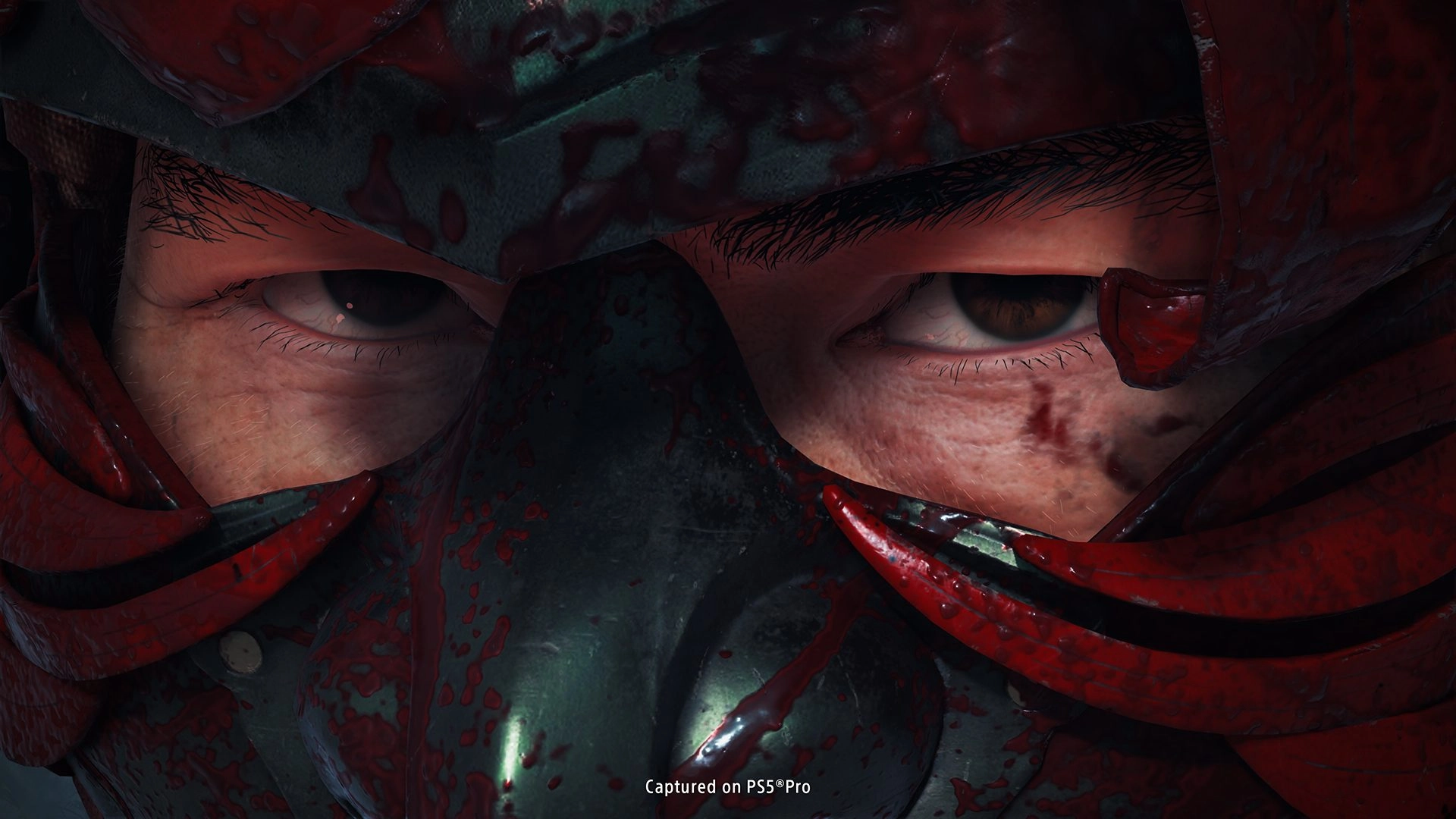
Connell says the quest was one of the earliest missions the team built and among the first Mythic Tales crafted for Yōtei. It originated from a designer–writer pitch, then became a testbed for what a “Mythic” mission should look and feel like in this new setting. The idea evolved into a focused, folkloric narrative that blends combat, atmosphere, and exploration.
“The Spider Lily General was actually one of the earliest missions in the game and one of the first Mythic Tales we created,” said Jason Connell.
Story and symbolism: why spider lilies
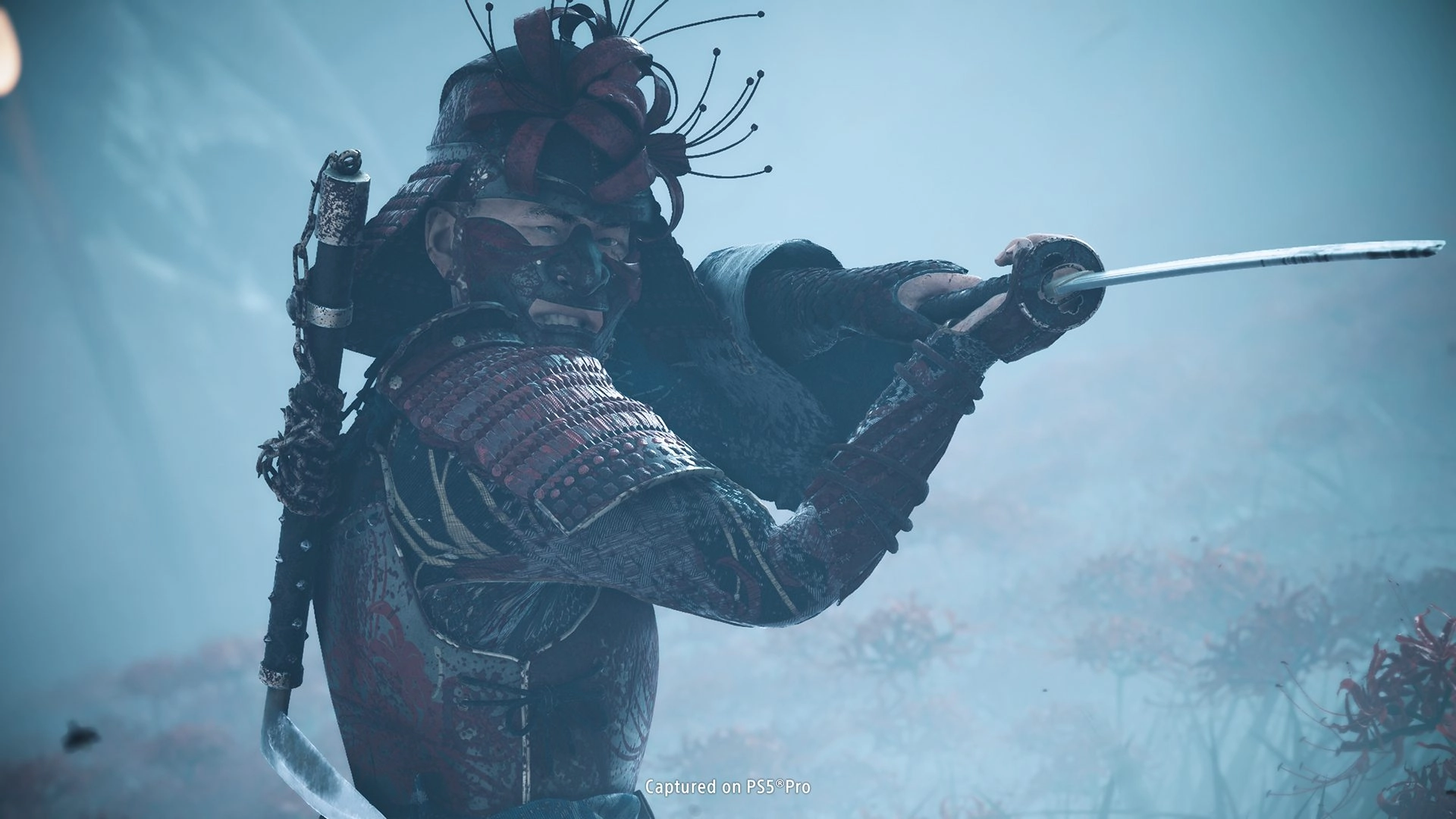
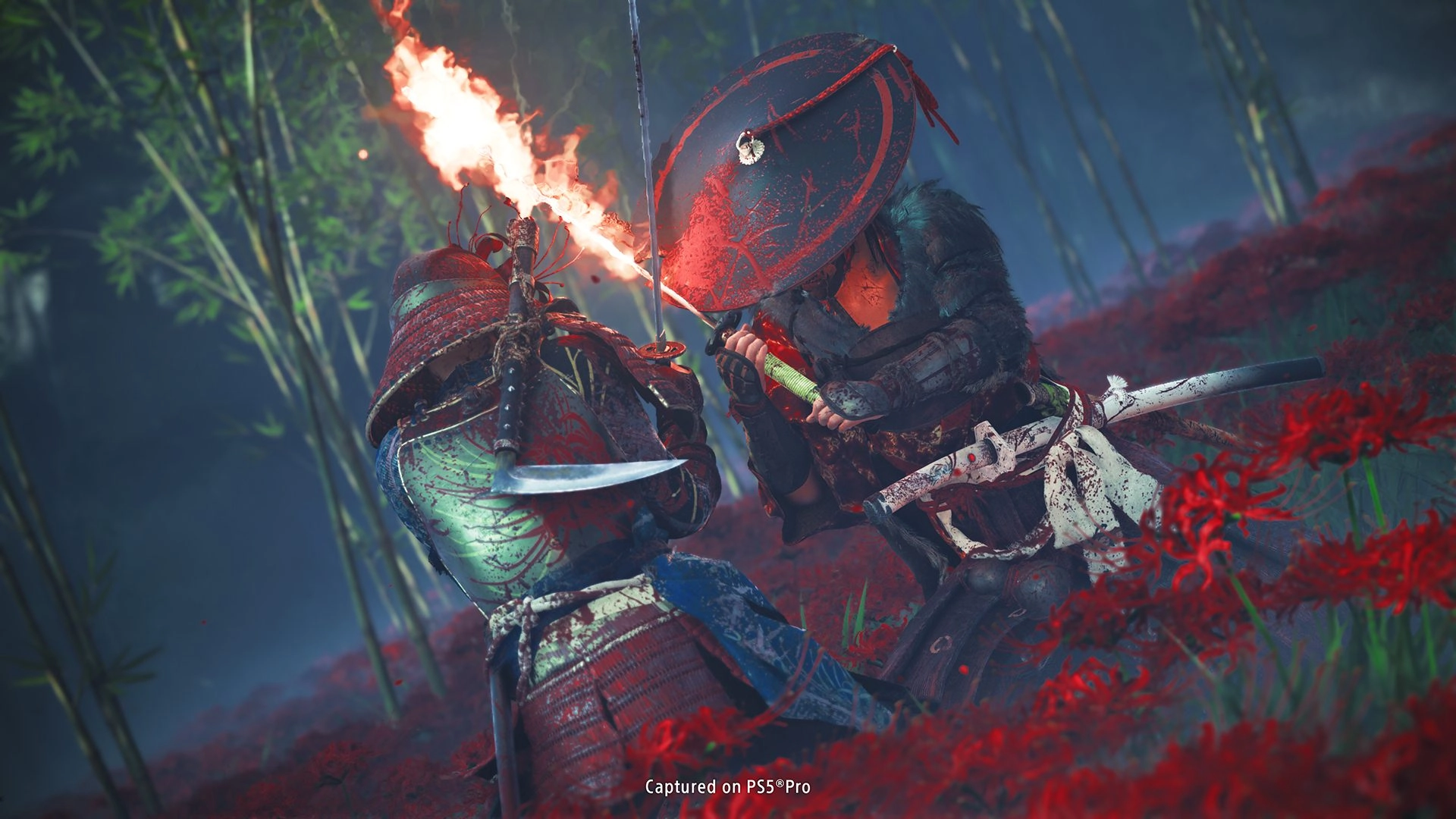
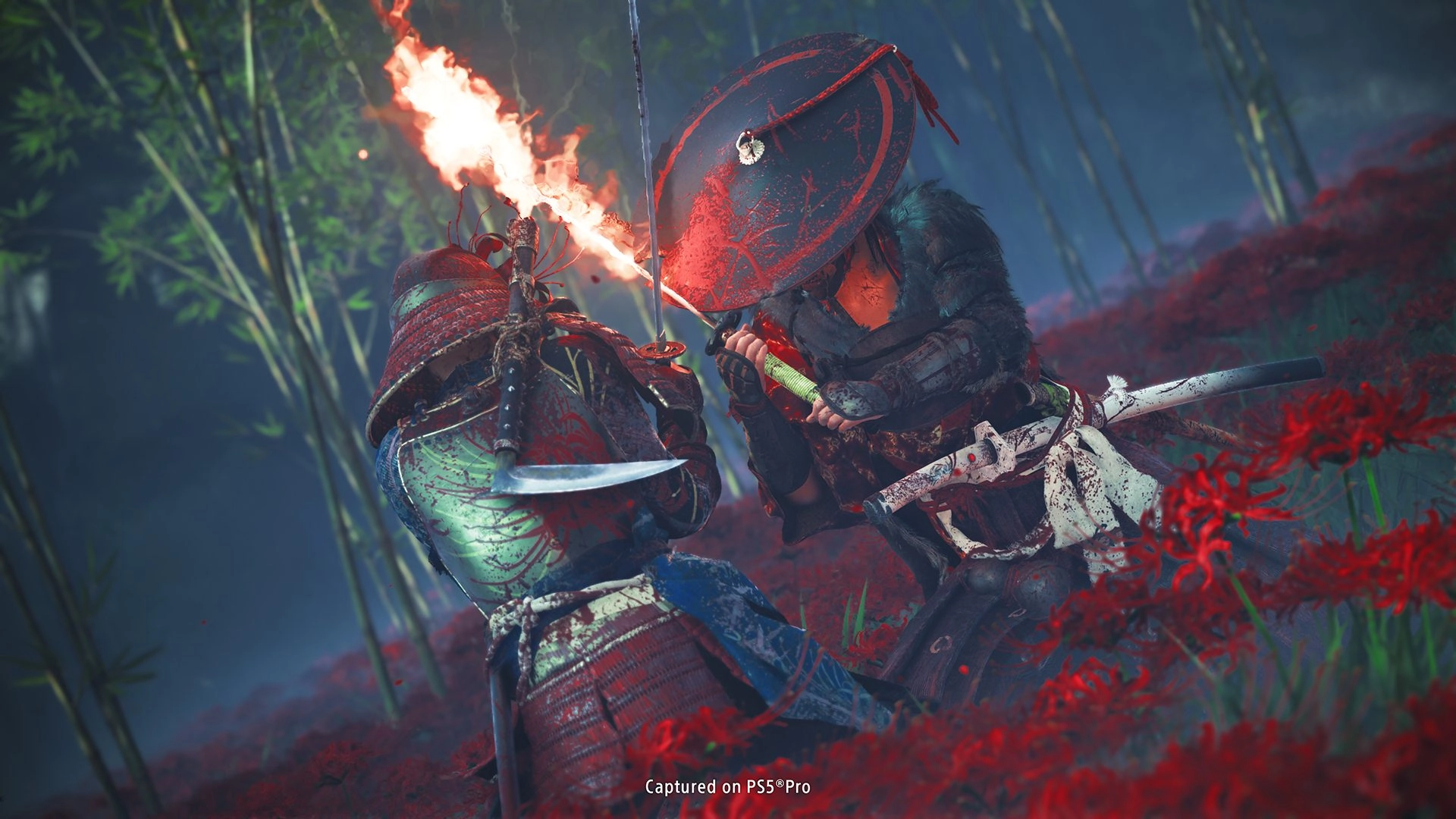
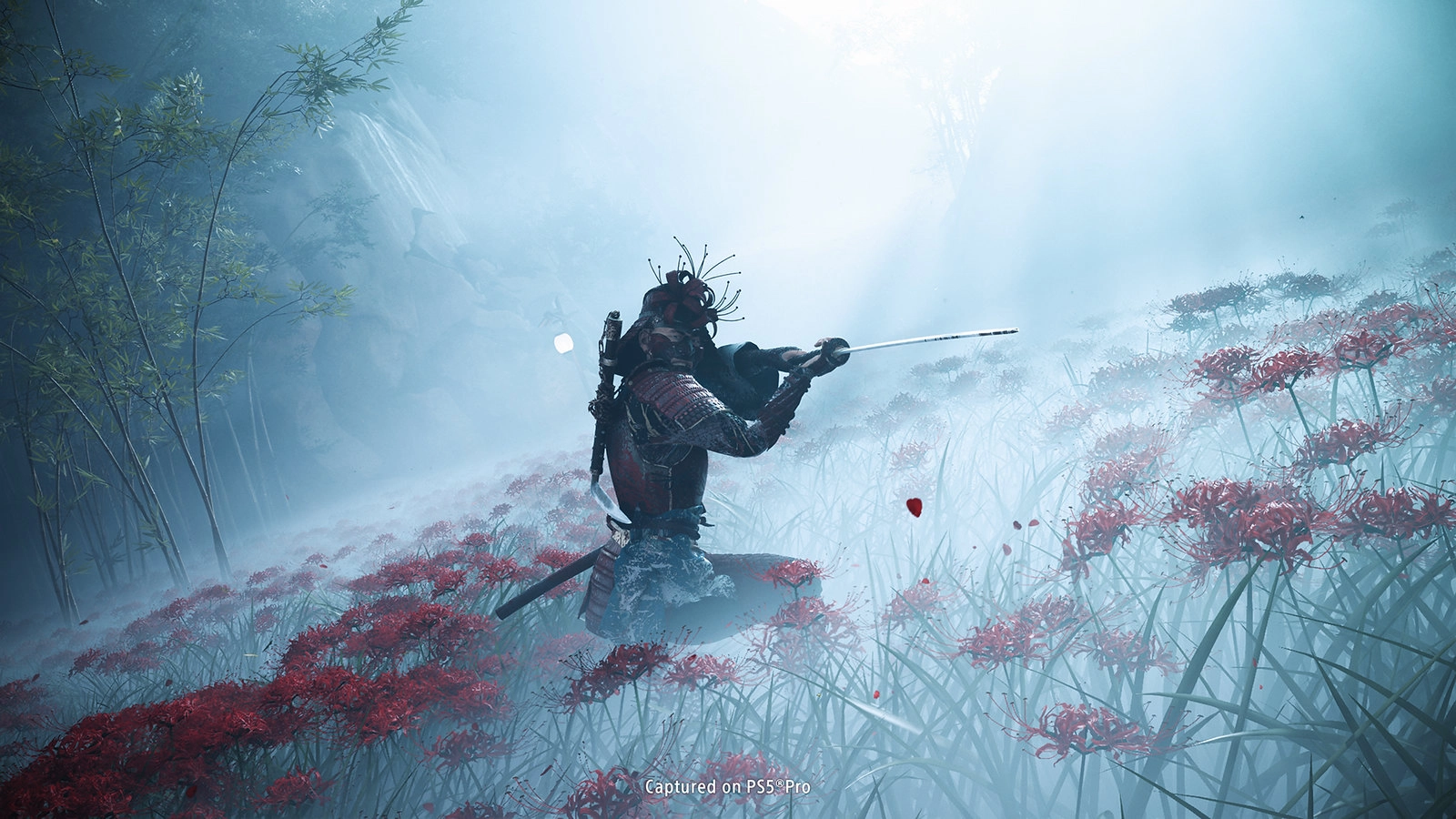
The tale centers on a feared general whose legendary armor drew looters long after he retired. A sparring accident with his daughter leads to her death, leaving him consumed by grief and haunting the surrounding forest. As the myth tells it, spider lilies bloom wherever he spills blood, binding the tragedy to the landscape.
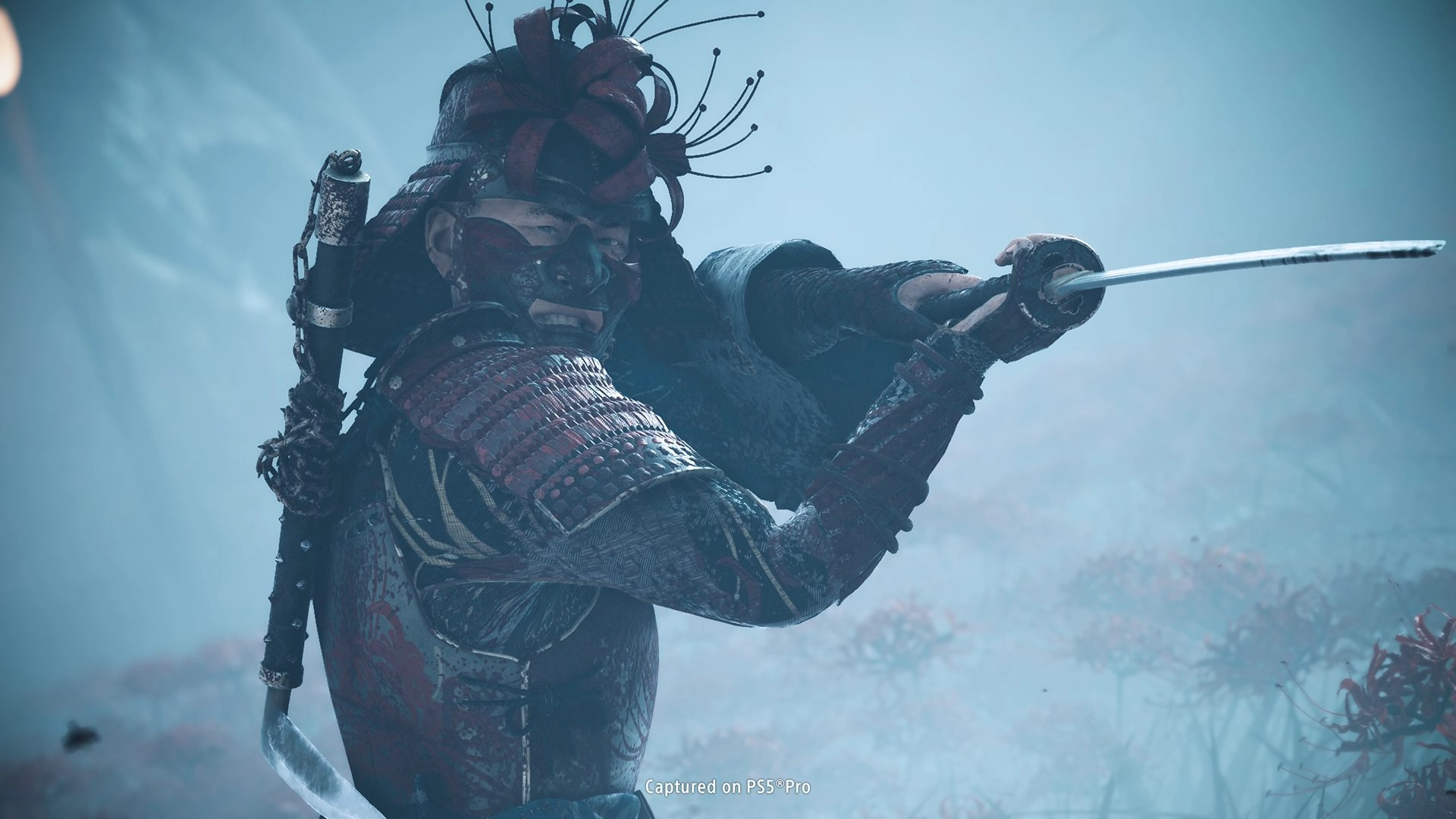
Fox points to the flowers’ real-world meaning: spider lilies are toxic flowers planted in graveyards to deter animals, symbolically linked to death and family bonds. They also serve a practical function in-game – their crimson trail helps guide exploration through the mist across a large, disorienting area.
“They’re actually toxic, and in real life they’re planted in graveyards,” noted Nate Fox, adding that the lilies also clarify how to move through the mission’s fog.
Building a horror mood
Sucker Punch leaned into a restrained, uncanny tone rather than jump scares. The team designed the level to feel unfamiliar – a small maze, audio stingers, distant wails, and sequences where enemies are discovered slaughtered after the mist rolls in. Crucially, they used negative space – long, quiet walks past corpses and up staircases – to let the dread sink in before combat erupts.
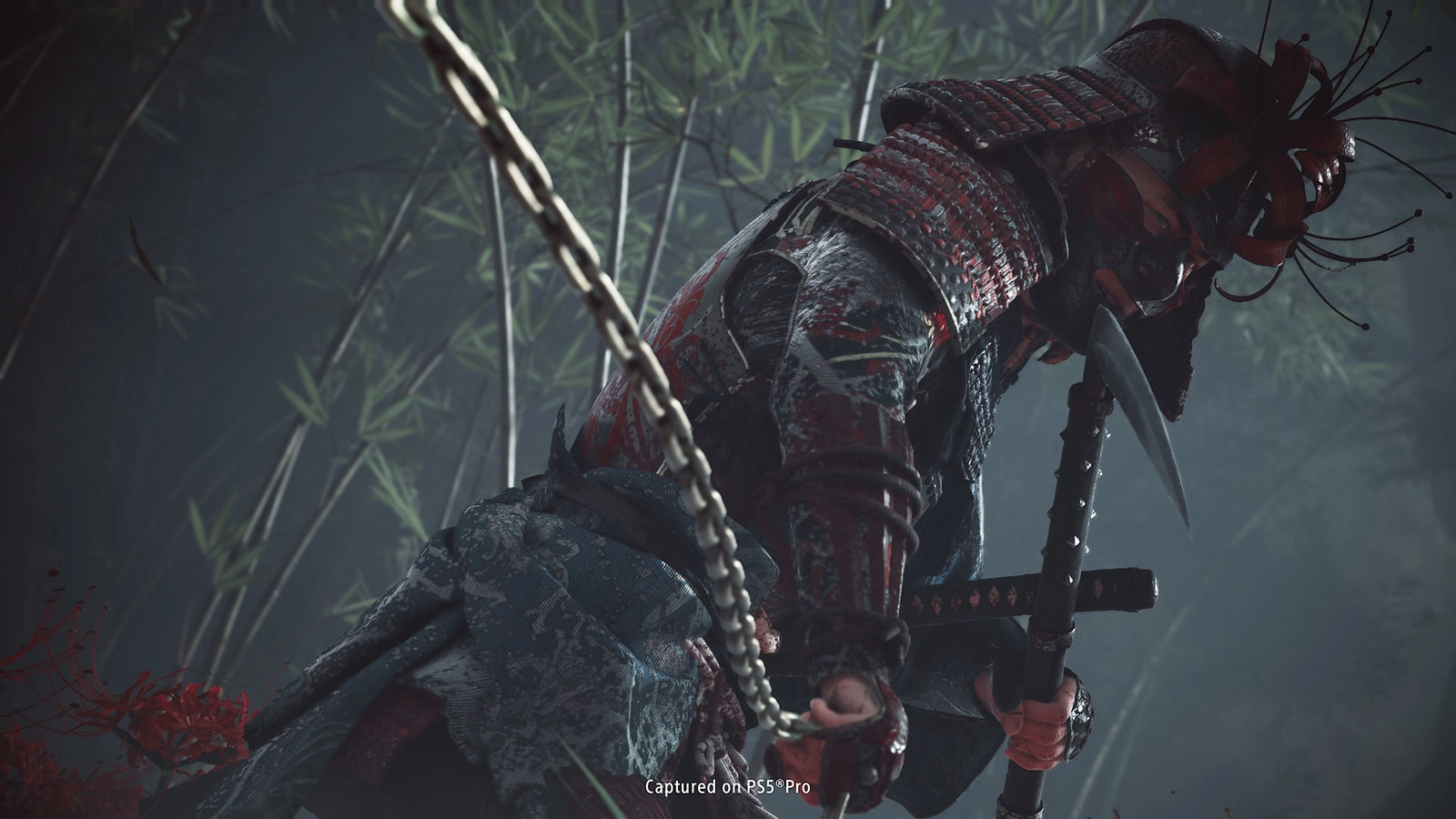
- Prototype camera angles borrowed from survival horror informed the vibe, even when not used in the final.
- Lighting and color grading shifted – a larger, eerier moon and adjusted black levels – to shape the scene’s mood.
- Sound design carried much of the weight, including a special music track for the duel.
“The atmosphere is one of the biggest tools we have,” said Connell, describing how lighting, color, and audio unify the quest’s mood.
Read also our article: Housemarque lifts the veil on Saros’ characters in new trailer
Setting the tone for the wider game
Because it arrived early in development, the mission helped establish standards for presentation and exploration across Ghost of Yōtei. Connell says it set a high bar for staging, readability, and visual “attractors” – the elements that pull players toward intriguing locations. Fox adds that the forest’s mist and an eye-catching pagoda rising above the trees are deliberate cues that invite players to follow curiosity rather than waypoint markers.
“The player discovers the story under their own power,” said Nate Fox, calling that autonomy a powerful experience.
Why it resonated with players – and the studio
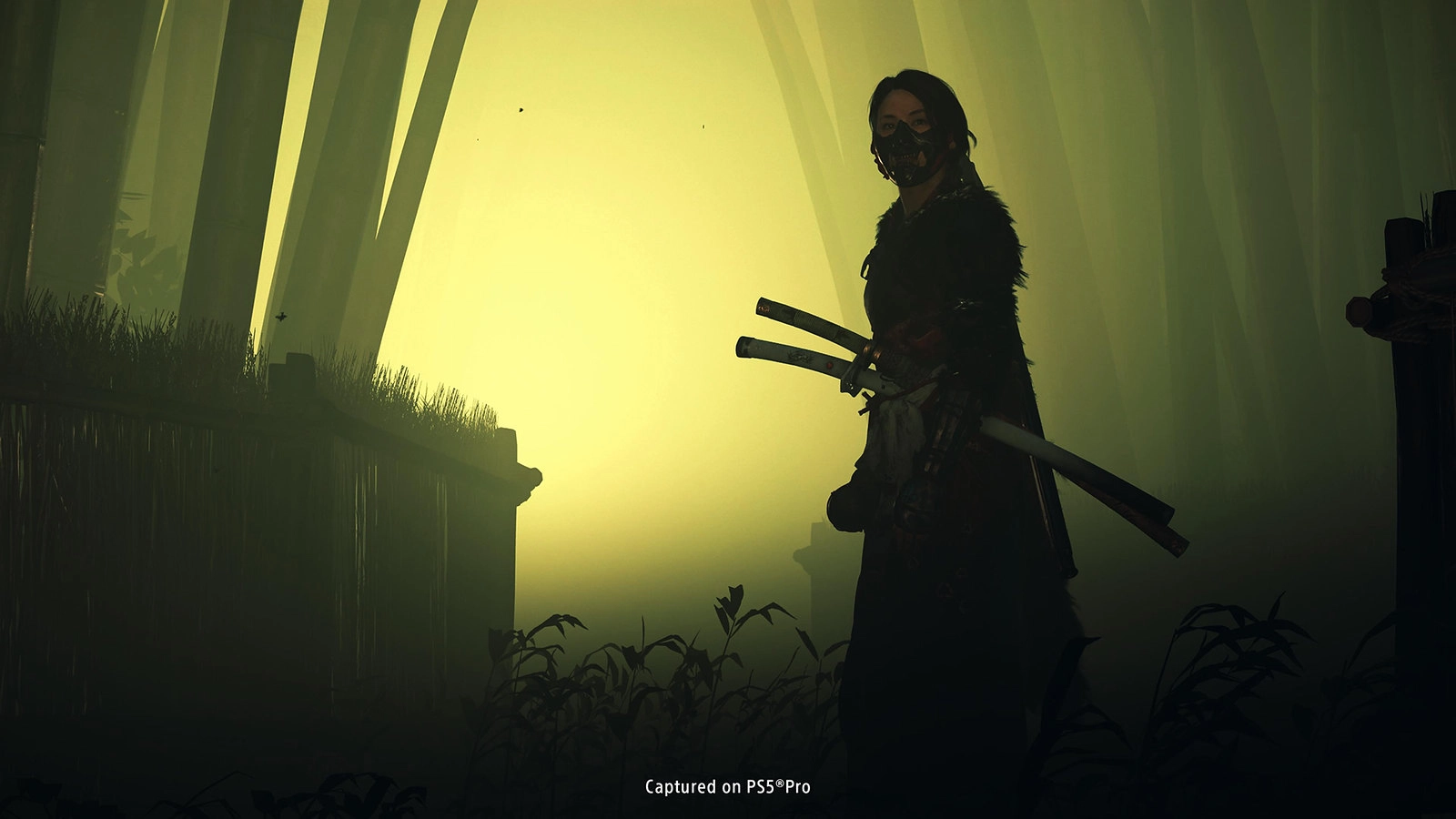
The directors link the quest’s reception to Sucker Punch’s renewed focus on Mythic Tales after Ghost of Tsushima. Their goal was to bring the format back “in its own new way” for Yōtei, retaining the core appeal while adapting tone and mechanics. The result is a self-contained short story with clear emotional stakes – tragedy, guilt, and release – that sits comfortably inside a broader anthology built for wandering and discovery.
“We knew that we wanted to build [Mythics] again in their own new way for Ghost of Yōtei,” said Connell. “Everyone in the team is very proud of how it came together,” added Fox.
Fact note: Ghost of Yōtei is available on PlayStation 5.
Final takeaway – why this mission matters
“The Spider Lily General” shows how Sucker Punch blends folklore, level design, and audiovisual craft into a focused horror tale. For players, it signals what Ghost of Yōtei does best – inviting you to wander, notice a detail in the distance, and step into a story that unfolds at your pace.






Meet the Author



Article:
Read all

Solid Snake joins Rainbow Six Siege on March 3. Expect an intel-focused gadget, on-the-fly scavenging, a stealthy 4v4 event with Sam Fisher, and updates across maps and Operators.
 February 15, 2026
 85
85
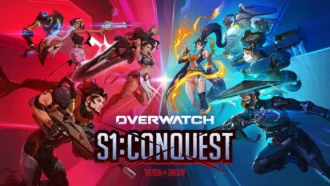
A year-long Overwatch narrative lands on Switch. Season 1 opens the Reign of Talon, adds 5 heroes, and introduces a 5-week faction event—setting the stage for updates through Season 6 in 2026.
February 14, 2026
82
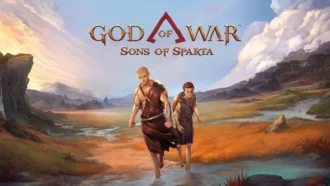
A new chapter in Kratos’ past arrives on PS5. Sons of Sparta shifts the series to 2D, exploring the Agoge with Deimos, classic Greek foes, skill trees, and Gifts of Olympus – all scored by Bear McCreary.
February 13, 2026
80
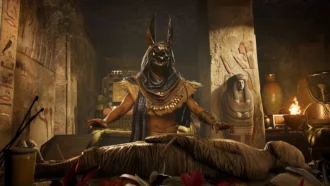
Assassin’s Creed Origins steps into the museum space as Ubisoft and the Musée de l’Homme unveil a nine-minute interactive walkthrough of ancient Egyptian embalming, part of the Mummies exhibition running November 2025 - May 2026.
February 13, 2026
77
Subscribe to “By-Gamers” on Telegram for gaming intel.
No filler, no fuss—just your daily XP boost. Hop in and level up, squad!


Read also
Solid Snake joins Rainbow Six Siege on March 3. Expect an intel-focused gadget, on-the-fly scavenging, a stealthy 4v4 event with Sam Fisher, and updates across maps and Operators.
February 15, 2026
85
A year-long Overwatch narrative lands on Switch. Season 1 opens the Reign of Talon, adds 5 heroes, and introduces a 5-week faction event—setting the stage for updates through Season 6 in 2026.
February 14, 2026
82
A new chapter in Kratos’ past arrives on PS5. Sons of Sparta shifts the series to 2D, exploring the Agoge with Deimos, classic Greek foes, skill trees, and Gifts of Olympus – all scored by Bear McCreary.
February 13, 2026
80
Assassin’s Creed Origins steps into the museum space as Ubisoft and the Musée de l’Homme unveil a nine-minute interactive walkthrough of ancient Egyptian embalming, part of the Mummies exhibition running November 2025 - May 2026.
February 13, 2026
77

High On Life 2 is out now, and its writers say the best gags start with the team cracking up first — then shaping bits so players help drive the punchlines. Here’s how Squanch approaches humor-by-design.
February 13, 2026
61
Rainbow Six Siege’s competitive year ends in Paris with a new twist: 1V1 NOW by Xbox Game Pass. Four regional standouts, 3.2k sign-ups behind them, clash Feb 14-15 for a share of $5,000 on the SI stage.
February 13, 2026
70
Fourteen Xbox titles arrive February 17-20 – from Star Trek: Voyager’s survival strategy to stealth in Styx and horror in Backrooms. Dates, platform notes, and core gameplay features inside.
February 13, 2026
63
Rayman’s 1995 debut returns in a multi-version package – with a first-ever playable SNES prototype, 120 bonus stages, a reimagined Christophe Héral soundtrack, and modern assists like a 60-second rewind.
February 13, 2026
62
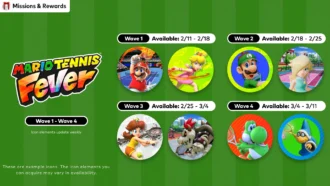
Mario Tennis Fever icon elements arrive on a ticking schedule—four waves across February-March 2026. Here are the exact PT dates, how to access them, and what the game brings to the court.
February 13, 2026
68

Nintendo serves up Mario Tennis Fever on Switch 2 with its biggest roster yet, 30 new Fever Rackets that twist rallies in wild ways, and a baby-themed Adventure Mode. Check the official trailer link inside.
February 13, 2026
67

Співпраця
Співпраця - текст
By-Gamers Newsletter!
Unlock special gaming deals, limited-time bundles, and more - sign up for By-gamers newsletter today!
