


Popular articles
- What Is Rivals of Aether? Game Type, Platforms, and Modes Explained
- Black Myth Wukong Guide – What To Expect From This Amazing New RPG
- Top 5 Gaming Thrones for a Luxurious Gaming Experience
- Is Sonic Triple Trouble 16-Bit Official? Who Is The Bad Guy in Sonic Triple Trouble?
- Among Us Original: Where and How To Play The Classic Game


My Hero Academia: All’s Justice Details 3-3 Combat and Modes
Table of Content

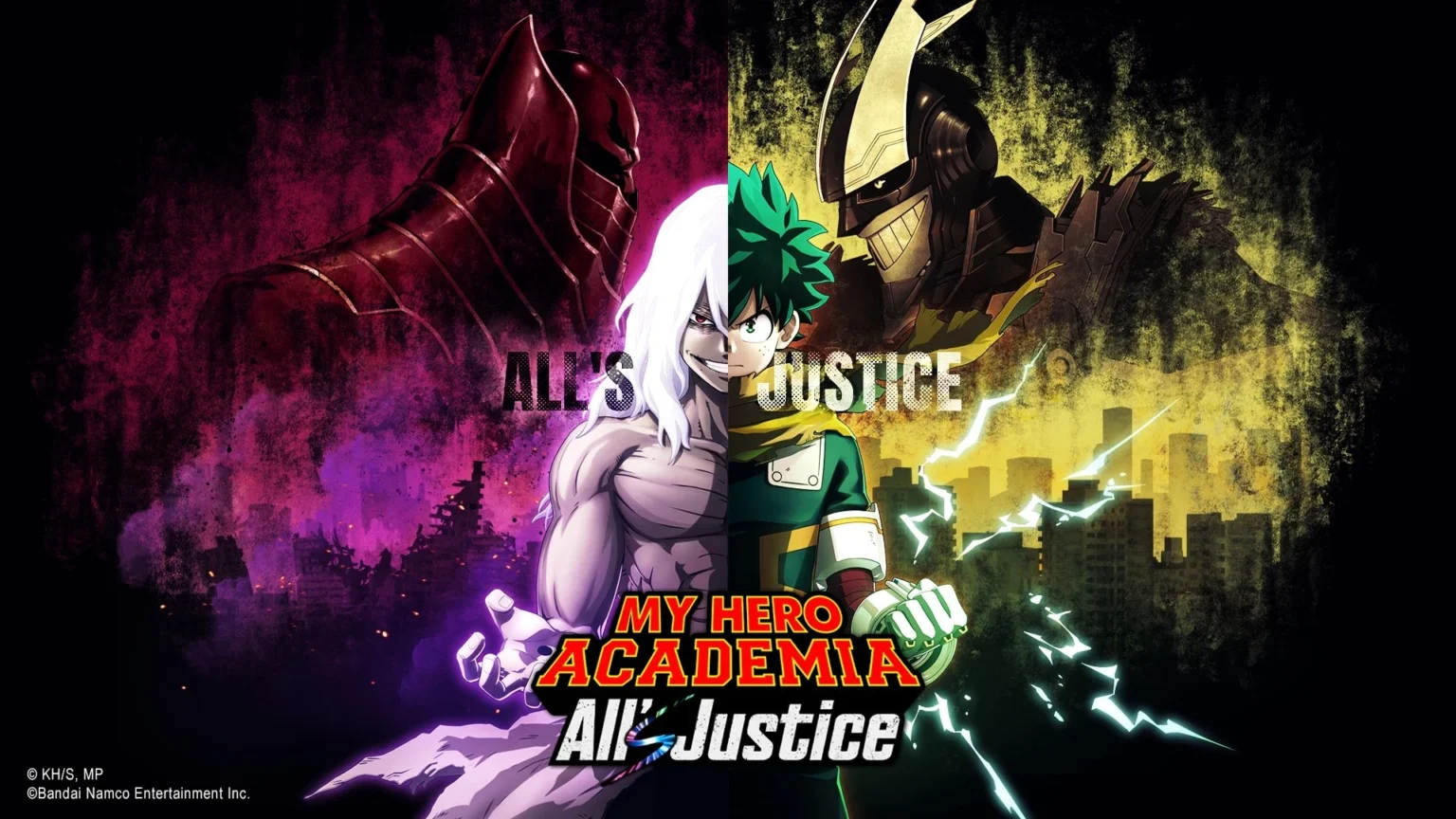
My Hero Academia: All’s Justice will release on February 6, 2026. The action-fighting spin on the anime lets players stage 3-3 (3v3) “Quirk” battles and revisit the climactic confrontation from the show’s Final Season. A new “Full Roster Trailer” showcases what the studio calls the largest playable character lineup yet in a My Hero Academia console game. Beyond combat, players explore a virtual city and take on missions with U.A. High’s Class 1-A.
Below are the key systems and character highlights drawn from the official reveal, with a focus on how matches flow and how team composition shapes strategy.
Strategic 3-3 Combat Built on Counters and Synergy
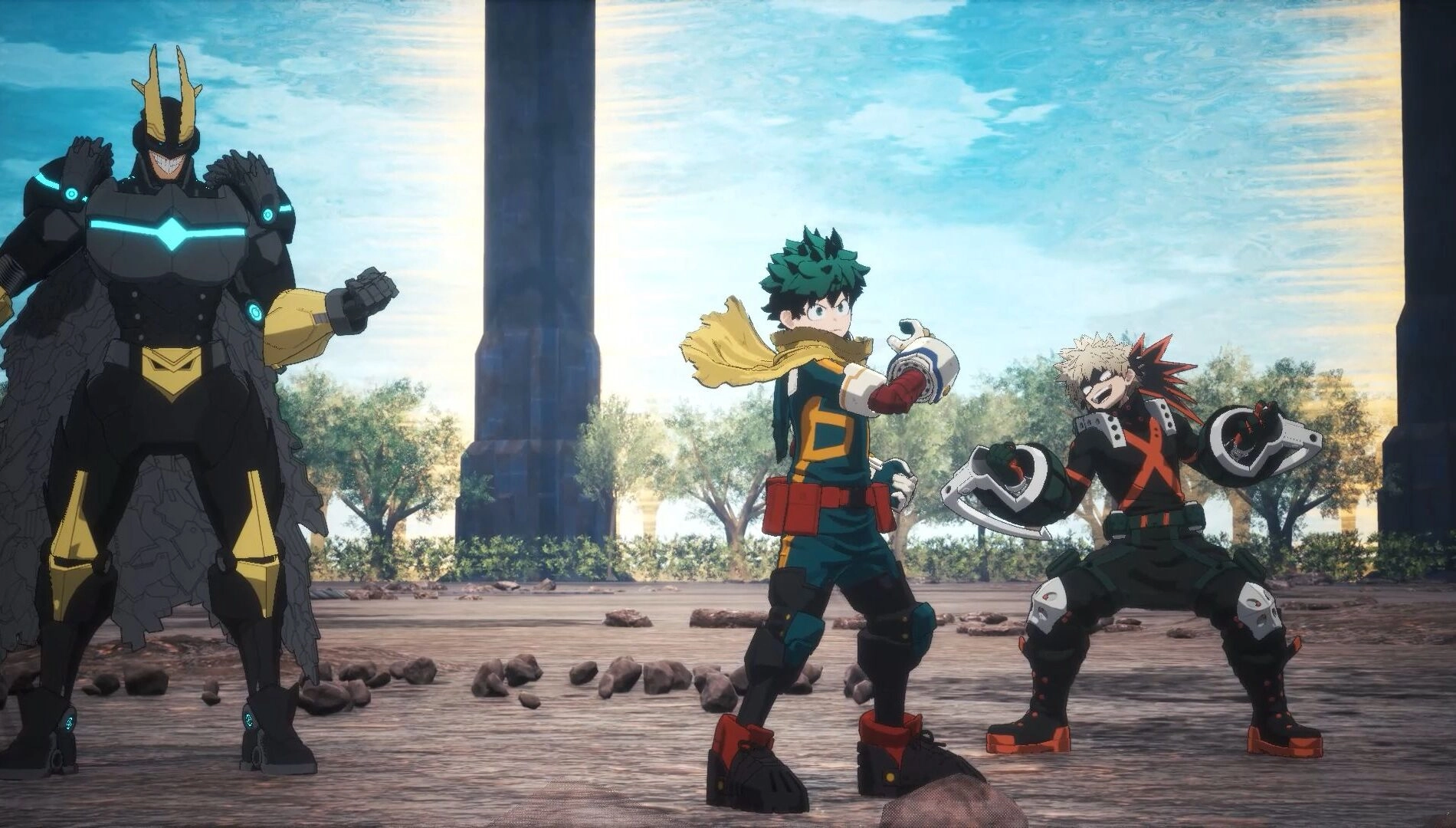
Matches unfold with teams of three, demanding on-the-fly switches and coordinated pressure. The core actions form a rock-paper-scissors loop: Target Combos, Counter Attacks, Guard, and Unblockable Attacks. Reading an opponent and rotating roles across the trio is central to momentum.
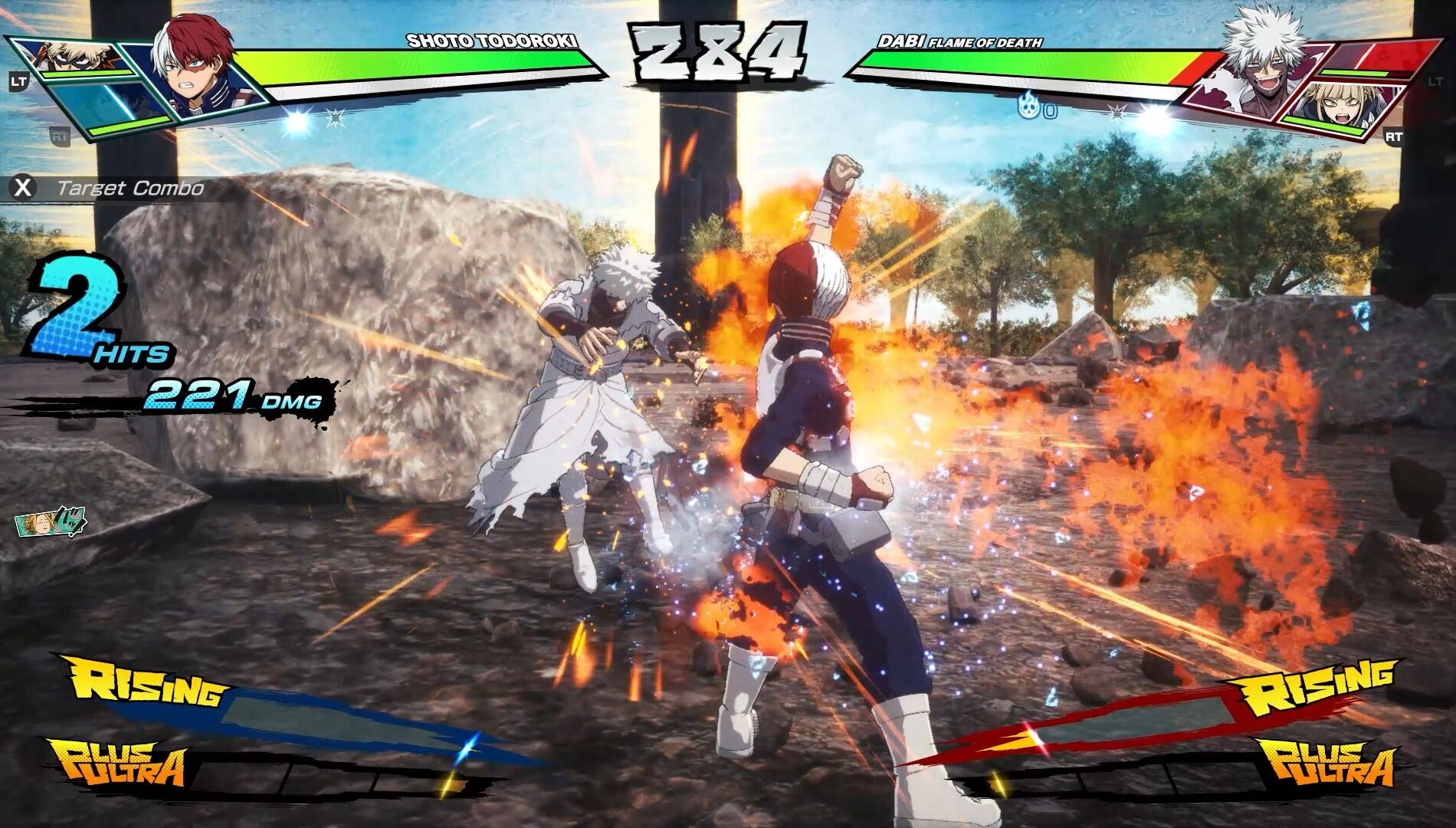
Each fighter’s unique Quirk skills stack with the ultimate system Plus Ultra – charge the Plus Ultra Gauge to unleash a finisher, or, with 2 or more gauges banked, trigger a Plus Ultra Combo to chain ultimates across allies. A separate meter, the Rising Gauge, fuels Rising, a temporary power-up that boosts stats and unlocks character-specific Rising Action and Rising Ability options. If you become the last fighter standing, Ultimate Rising activates automatically to enable a potential comeback.
For accessibility, a toggleable Normal Mode simplifies execution – chaining the X button automates combos, character swaps, and even Plus Ultra, making it easier to sample team synergies before mastering inputs.
Core Systems at a Glance
The table below summarizes the headline mechanics and how they affect match flow. It can help new players prioritize what to learn first.
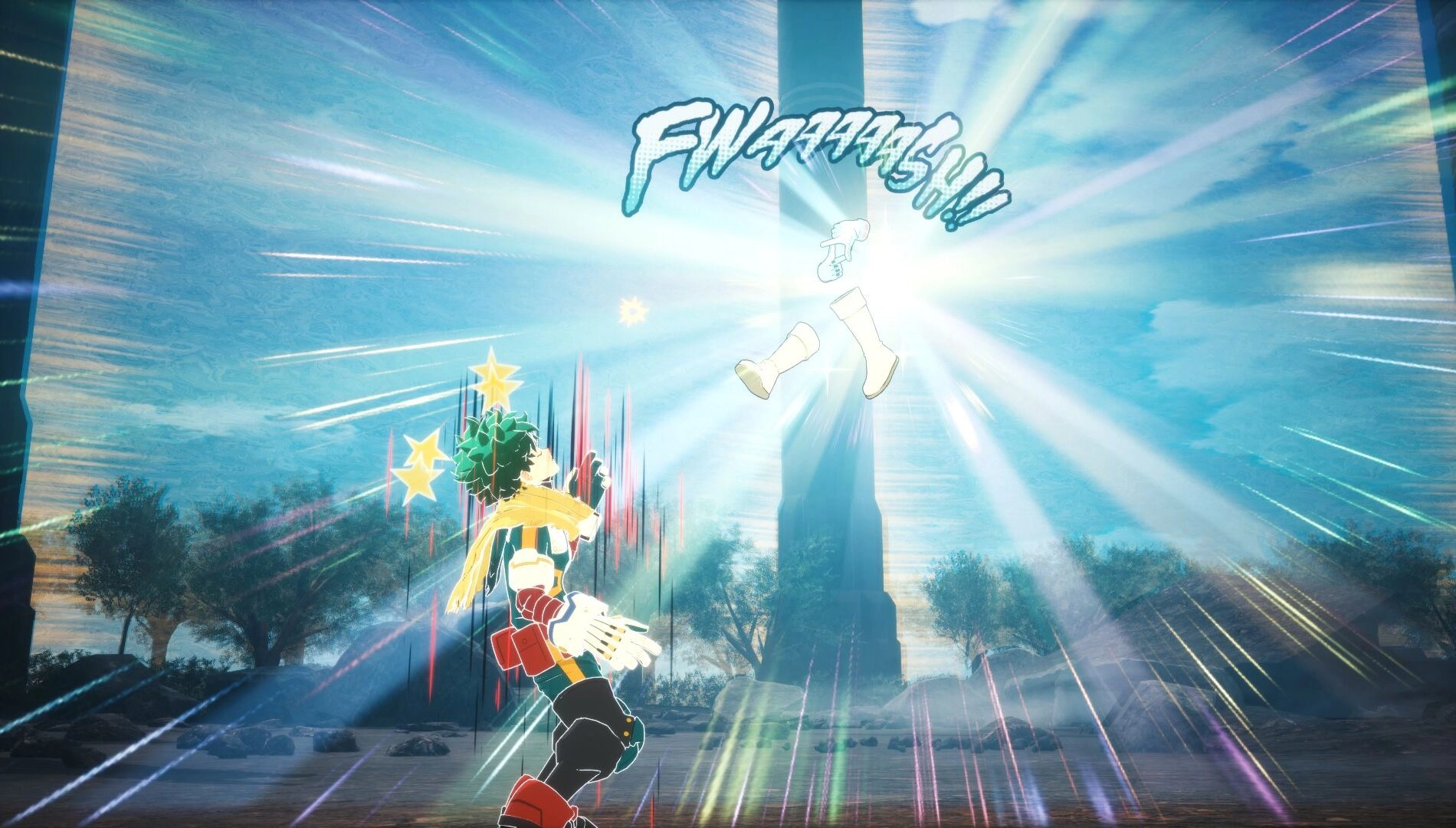
Class 1-a in Teamup Mission – Run, Soar, and Parkour
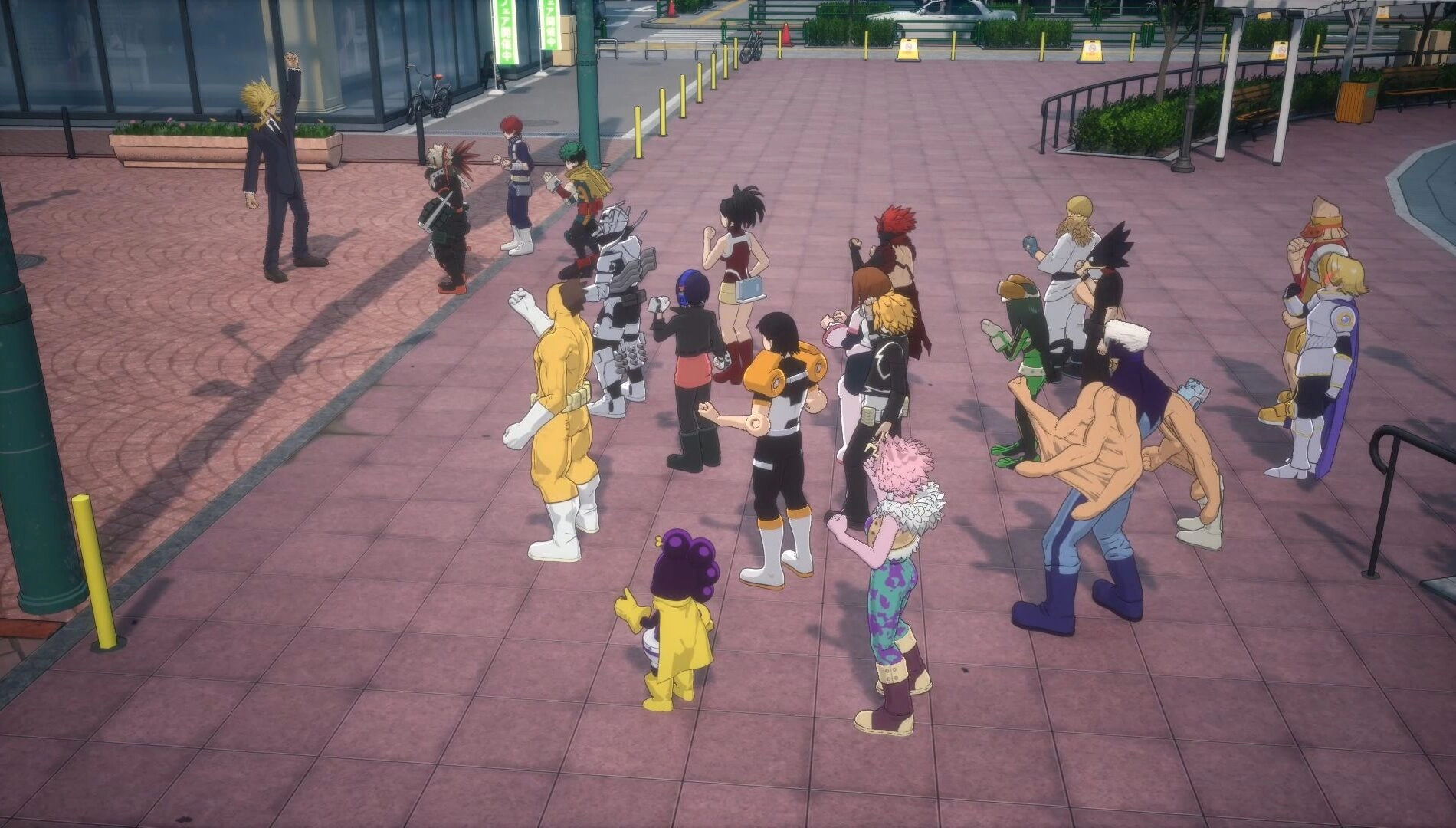
The full Class 1-A roster is playable. Outside versus play, the TeamUp Mission mode drops students into a virtual space built with help from Support Course inventor Mei Hatsume. Objectives range from combat challenges to parkour-style movement and lighter tasks like animal search activities.
Read also our article: I Hate This Place Brings Comic-Book Mechanics to Survival Horror on Xbox Series X|S
Completing missions unlocks original in-game episodes in the Heroes’ Diary, offering brief, previously unseen moments featuring the Class 1-A cast and their training.
New and Returning Fighters – Highlights from the Roster
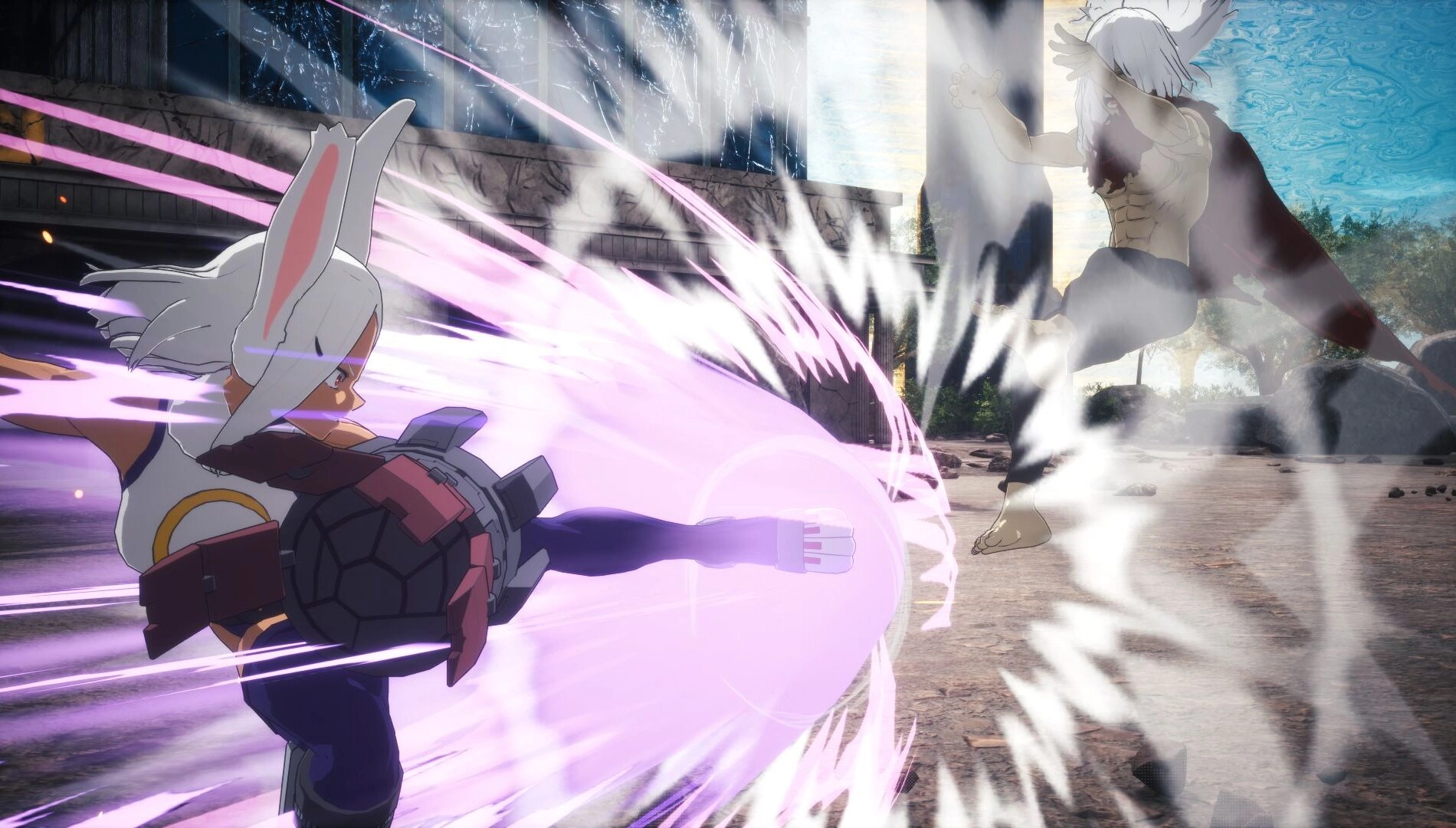
The roster spans heroes and villains across the series, with several characters sporting new skills and forms observed in the final battles. These examples illustrate how different Quirks reshape team roles:
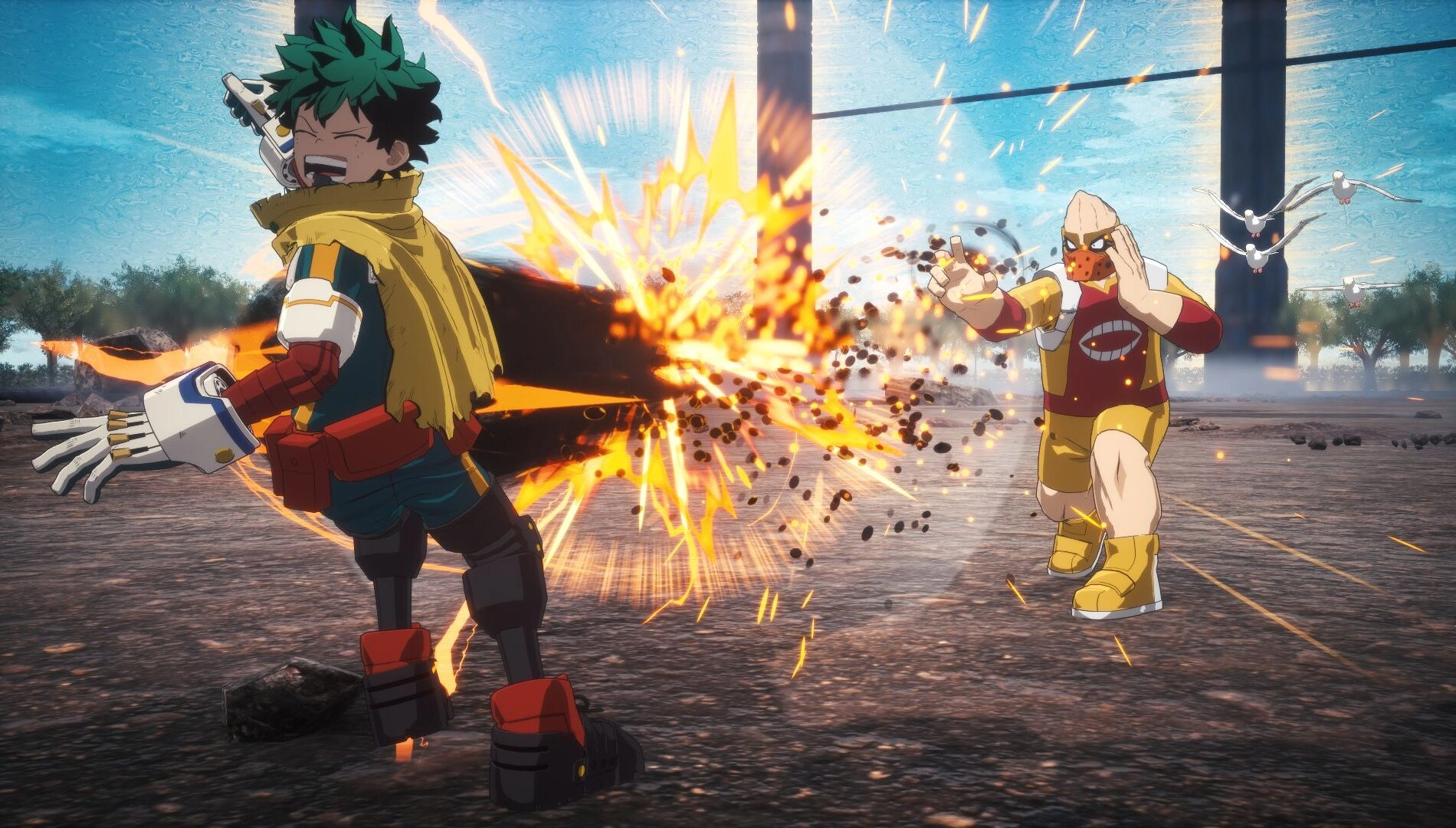
- Toru Hagakure – Leans on Invisibility to become hard to track, alternating between unseen evasion and a light-gathering stance that buffs offense. During Rising, she turns completely invisible, making her untraceable by opponent attacks.
- Koji Koda – Uses Anivoice to command birds and insects. He has two core Quirk skills, each branching into six variations with extra inputs. In Rising, allies are auto-summoned to harass foes and tilt the neutral game.
- Mirko – An attack-forward style built around the Rabbit Quirk and powerful leg techniques. Many moves gain counter properties via branches, improving hit consistency; Rising further boosts mobility to blend speed with pressure.
- Edge Shot – A speed archetype who shifts into Foldabody form for high-velocity movement. In Foldabody, Quirk skill startup shortens, accelerating offense; under Rising, dashes become Foldabody moves, improving survivability and openings.
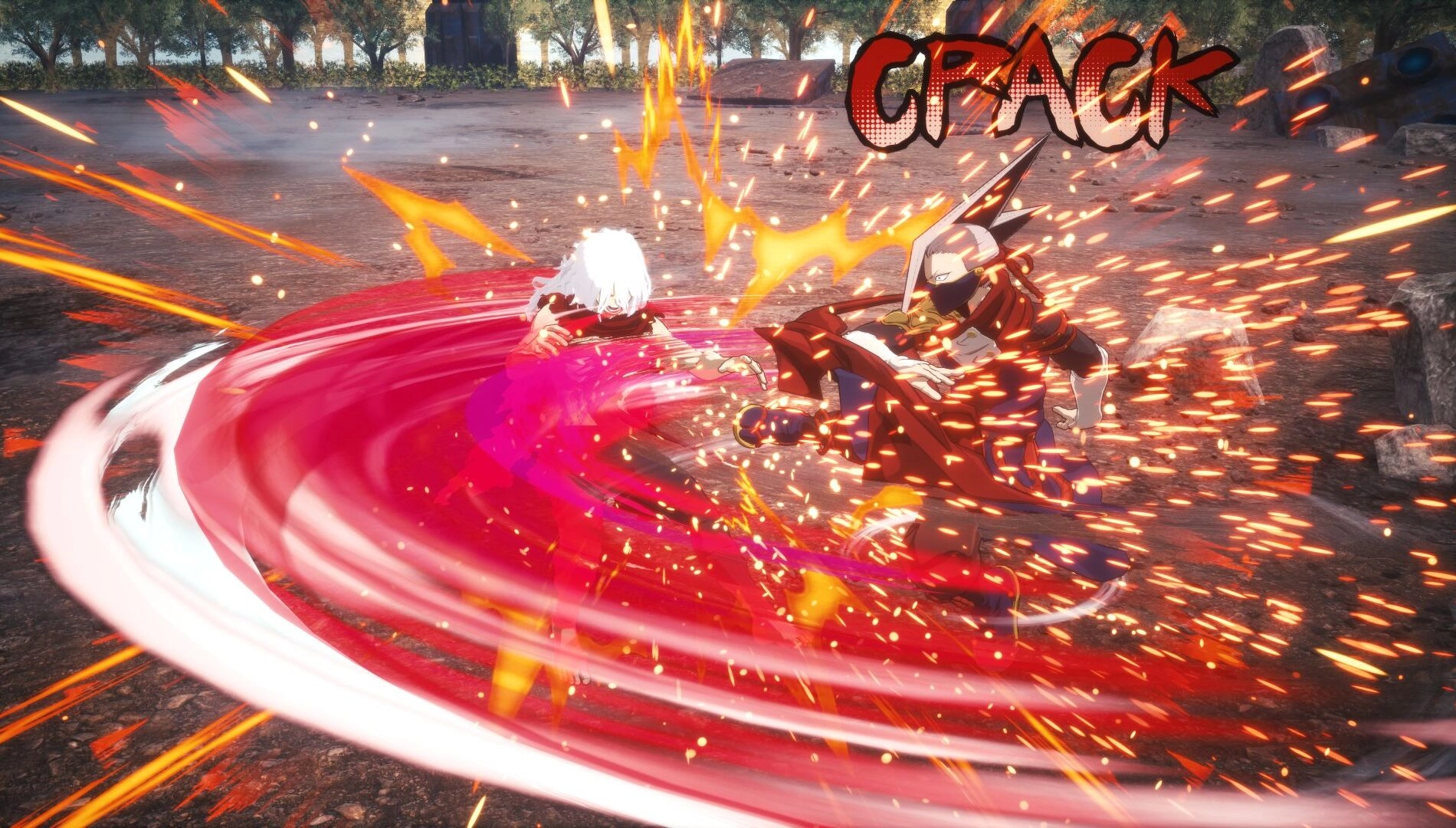
Trailer and Release Timing
The “Full Roster Trailer” spotlights the expanded lineup and team mechanics:
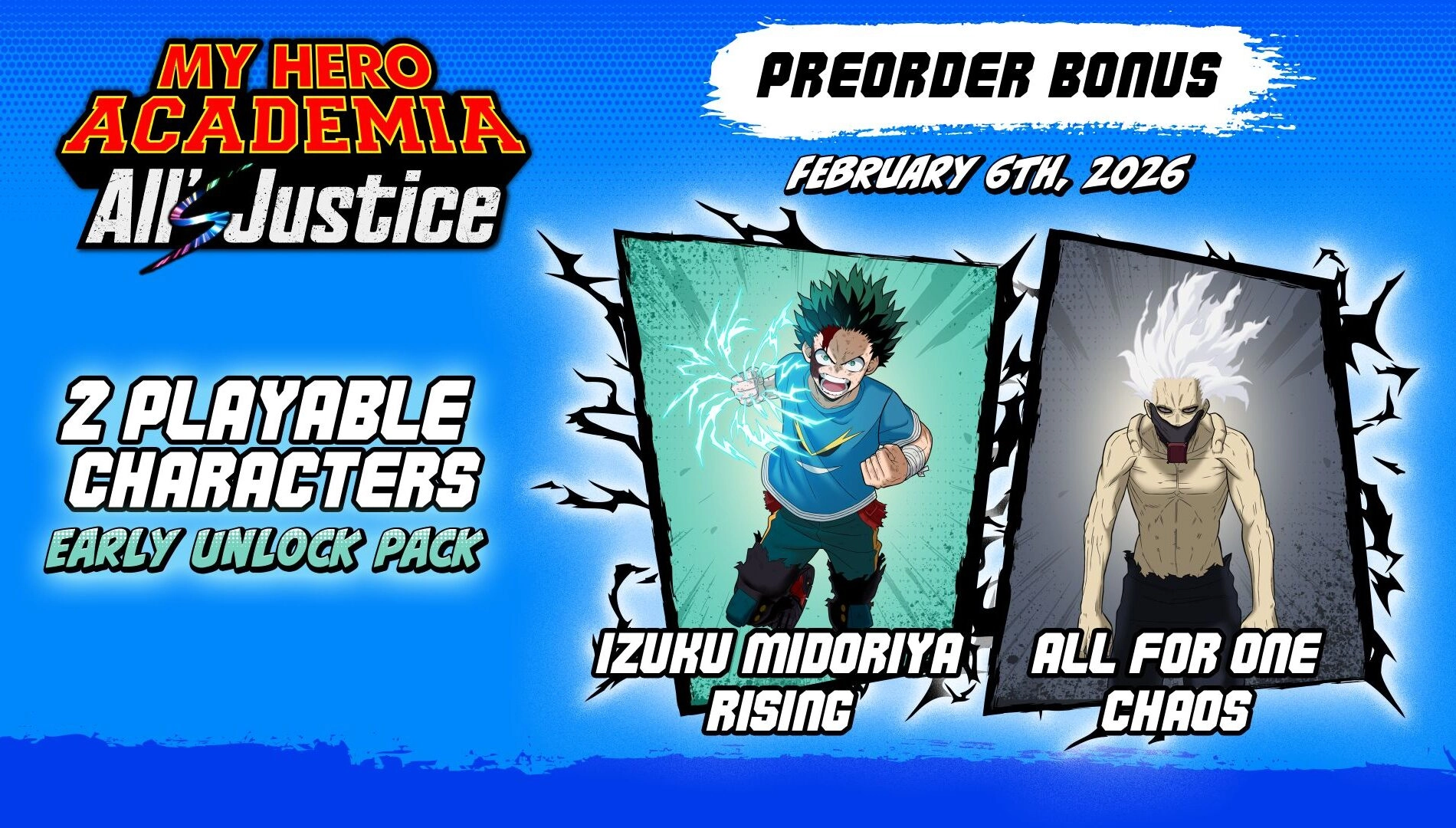
My Hero Academia: All’s Justice is scheduled for release on February 6, 2026. The game also lets players relive the final battle from the anime’s Final Season, tying key story moments to its team-based systems.
Why This Matters for Players
All’s Justice emphasizes team identity over solo execution – the interplay of Quirk-specific tools, Plus Ultra chains, and Rising states rewards squads built for coverage and counterplay. If you enjoy arena fighters where reads and role rotation carry matches, this 3-3 framework offers a clear path from accessible Normal Mode to deeper mastery.





Meet the Author



Article:
Read all


Solid Snake joins Rainbow Six Siege on March 3. Expect an intel-focused gadget, on-the-fly scavenging, a stealthy 4v4 event with Sam Fisher, and updates across maps and Operators.
 February 15, 2026
 86
86
A year-long Overwatch narrative lands on Switch. Season 1 opens the Reign of Talon, adds 5 heroes, and introduces a 5-week faction event—setting the stage for updates through Season 6 in 2026.
February 14, 2026
83
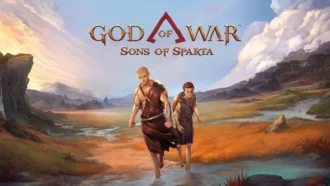
A new chapter in Kratos’ past arrives on PS5. Sons of Sparta shifts the series to 2D, exploring the Agoge with Deimos, classic Greek foes, skill trees, and Gifts of Olympus – all scored by Bear McCreary.
February 13, 2026
80
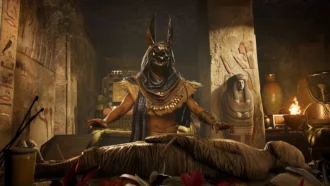
Assassin’s Creed Origins steps into the museum space as Ubisoft and the Musée de l’Homme unveil a nine-minute interactive walkthrough of ancient Egyptian embalming, part of the Mummies exhibition running November 2025 - May 2026.
February 13, 2026
77
Subscribe to “By-Gamers” on Telegram for gaming intel.
No filler, no fuss—just your daily XP boost. Hop in and level up, squad!


Read also
Solid Snake joins Rainbow Six Siege on March 3. Expect an intel-focused gadget, on-the-fly scavenging, a stealthy 4v4 event with Sam Fisher, and updates across maps and Operators.
February 15, 2026
86
A year-long Overwatch narrative lands on Switch. Season 1 opens the Reign of Talon, adds 5 heroes, and introduces a 5-week faction event—setting the stage for updates through Season 6 in 2026.
February 14, 2026
83
A new chapter in Kratos’ past arrives on PS5. Sons of Sparta shifts the series to 2D, exploring the Agoge with Deimos, classic Greek foes, skill trees, and Gifts of Olympus – all scored by Bear McCreary.
February 13, 2026
80
Assassin’s Creed Origins steps into the museum space as Ubisoft and the Musée de l’Homme unveil a nine-minute interactive walkthrough of ancient Egyptian embalming, part of the Mummies exhibition running November 2025 - May 2026.
February 13, 2026
77

High On Life 2 is out now, and its writers say the best gags start with the team cracking up first — then shaping bits so players help drive the punchlines. Here’s how Squanch approaches humor-by-design.
February 13, 2026
62
Rainbow Six Siege’s competitive year ends in Paris with a new twist: 1V1 NOW by Xbox Game Pass. Four regional standouts, 3.2k sign-ups behind them, clash Feb 14-15 for a share of $5,000 on the SI stage.
February 13, 2026
70
Fourteen Xbox titles arrive February 17-20 – from Star Trek: Voyager’s survival strategy to stealth in Styx and horror in Backrooms. Dates, platform notes, and core gameplay features inside.
February 13, 2026
63
Rayman’s 1995 debut returns in a multi-version package – with a first-ever playable SNES prototype, 120 bonus stages, a reimagined Christophe Héral soundtrack, and modern assists like a 60-second rewind.
February 13, 2026
62
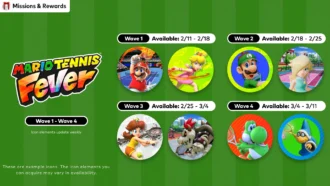
Mario Tennis Fever icon elements arrive on a ticking schedule—four waves across February-March 2026. Here are the exact PT dates, how to access them, and what the game brings to the court.
February 13, 2026
69

Nintendo serves up Mario Tennis Fever on Switch 2 with its biggest roster yet, 30 new Fever Rackets that twist rallies in wild ways, and a baby-themed Adventure Mode. Check the official trailer link inside.
February 13, 2026
67

Співпраця
Співпраця - текст
By-Gamers Newsletter!
Unlock special gaming deals, limited-time bundles, and more - sign up for By-gamers newsletter today!
