


Popular articles
- What Is Rivals of Aether? Game Type, Platforms, and Modes Explained
- Black Myth Wukong Guide – What To Expect From This Amazing New RPG
- Top 5 Gaming Thrones for a Luxurious Gaming Experience
- Is Sonic Triple Trouble 16-Bit Official? Who Is The Bad Guy in Sonic Triple Trouble?
- Among Us Original: Where and How To Play The Classic Game


Nintendo, Sony and Microsoft refine joint standards for player safety
Table of Content

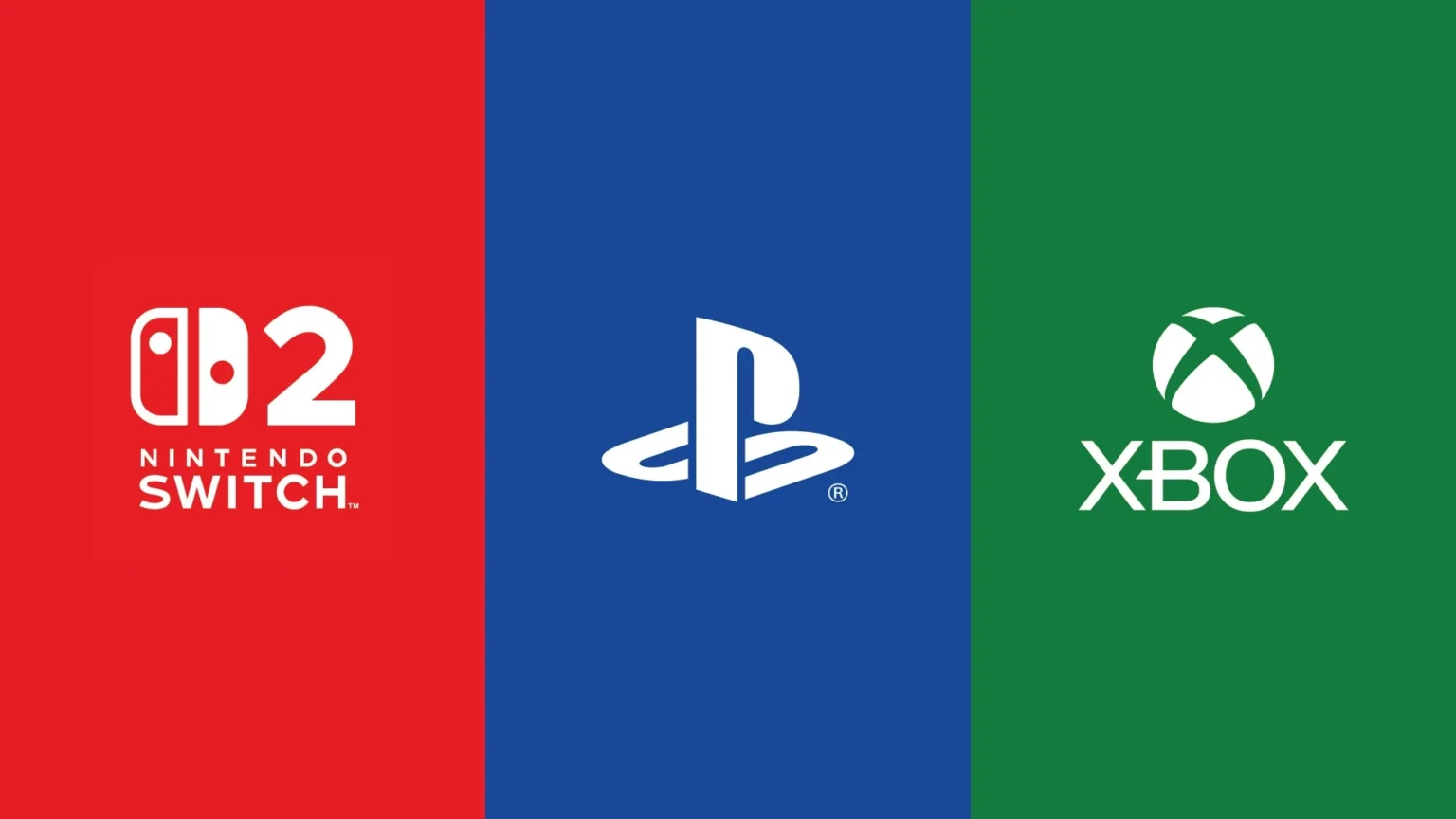
Nintendo, Sony Interactive Entertainment, and Microsoft have updated their shared player safety principles, first outlined in 2020. The refresh centers on three pillars – Prevention, Partnership, and Responsibility – and aligns with advances in technology and broader industry collaboration. The companies say the framework is designed to make safety tools more accessible, clarify enforcement, and expand cooperation with research groups, ratings boards, and law enforcement. The stated aim remains consistent: protect players across platforms, with special attention to younger audiences.
“Gaming is for everyone.”
What’s new since the 2020 commitment
The revised principles are positioned as an evolution of the original 2020 pledge, reflecting new safety innovations and closer work with trade associations and multi-company initiatives. The update formalizes how the platform holders integrate technology, research insights, community efforts, and human moderation to reduce harm, improve reporting, and support parents and players.
Alongside policy clarity, the three firms highlight a stronger emphasis on interoperable collaboration – from joint research to shared industry programs – to counter emerging risks more rapidly.
The three pillars of the updated framework
Prevention – clearer tools and guidance
Prevention focuses on equipping players and guardians with settings and information to shape safe play. The platform holders underscore simplicity and visibility so that protections are easy to find and use across services and support channels.
- Customizable controls let players tune their experience; parents get tools and information to tailor access for children.
- Safety features are promoted across platforms, support, services, websites, and in retail environments to improve awareness and uptake.
- Codes of conduct and terms of use are communicated up front, and products are designed with transparency and player empowerment in mind.
Partnership – wider industry and community cooperation
Partnerships extend beyond platform boundaries, pulling in trade bodies, regulators, research groups, and communities to strengthen online safety. The companies frame collaboration as essential to address cross-platform risks.
- Collaboration spans industry organizations, regulators, law enforcement, non-profits, and experts to advance online safety initiatives.
- They conduct shared research to inform policy and innovation; individually, they also work with external research centers on play and wellbeing.
- Communities are encouraged to use reporting tools, with processes in place for rapid response to emerging incidents.
- Work with ratings agencies such as ESRB and PEGI, and with trade associations like the Entertainment Software Association, supports clear age ratings and the distribution of trust and safety guidance.
- Investment in proactive technology and participation in initiatives including the Tech Coalition and its Lantern program target the prevention of improper conduct and content, with a focus on child safety.
Responsibility – enforcement, transparency, compliance
Responsibility commits the platforms to clear rules, accessible reporting, and escalating penalties for violations. The companies emphasize ethical data practices and human oversight in their safety processes.
- Reporting pathways for codes of conduct and community guideline violations are kept straightforward and are updated as communities evolve.
- Enforcement includes content removal and restrictions on services for misconduct, with escalating actions for severe or repeat offenses.
- They comply with applicable laws, respond to legitimate law enforcement requests, and notify authorities when unlawful behavior or imminent harm is identified.
- Rules and requirements are published, and reported players are informed about what is needed to continue using platform services.
Key collaborators and focus areas
The updated principles cite specific organizations and initiatives. Below is a concise overview of who is involved and where their efforts apply.
Industry and Safety Partners at a Glance
| Thriving in Games Group | Industry collaboration on wellbeing and safer play |
| Family Online Safety Institute | Guidance and research on online safety for families |
| ESRB / PEGI | Age and content ratings to inform appropriate audiences |
| Entertainment Software Association | Sharing trust and safety information to promote positive play |
| Tech Coalition / Lantern | Technology, knowledge-sharing, and transparency for child safety |
Read also our article: 10 short-session games spotlighted on PlayStation Plus
Enforcement and reporting in practice
The companies reiterate that reporting tools must be accessible and that action follows when policies are broken. Penalties scale with severity and repetition, aiming to deter bad actors while communicating clear paths for continued participation.
They also commit to lawful, transparent processes: ethical use of data, human-in-the-loop oversight, and prompt cooperation with law enforcement when legally required or when immediate harm is suspected.
Bottom line – what this means for players
The update signals a sustained push toward consistent, cross-industry safety standards. For players and parents, expect clearer controls, better guidance, and firmer enforcement across Nintendo, PlayStation, and Xbox ecosystems. The message is straightforward – safety is a shared responsibility, and the industry’s largest platforms are aligning their playbooks to make it easier to play by the rules.






Meet the Author



Article:
Read all

Solid Snake joins Rainbow Six Siege on March 3. Expect an intel-focused gadget, on-the-fly scavenging, a stealthy 4v4 event with Sam Fisher, and updates across maps and Operators.
 February 15, 2026
 85
85
A year-long Overwatch narrative lands on Switch. Season 1 opens the Reign of Talon, adds 5 heroes, and introduces a 5-week faction event—setting the stage for updates through Season 6 in 2026.
February 14, 2026
82
A new chapter in Kratos’ past arrives on PS5. Sons of Sparta shifts the series to 2D, exploring the Agoge with Deimos, classic Greek foes, skill trees, and Gifts of Olympus – all scored by Bear McCreary.
February 13, 2026
80

Assassin’s Creed Origins steps into the museum space as Ubisoft and the Musée de l’Homme unveil a nine-minute interactive walkthrough of ancient Egyptian embalming, part of the Mummies exhibition running November 2025 - May 2026.
February 13, 2026
77
Subscribe to “By-Gamers” on Telegram for gaming intel.
No filler, no fuss—just your daily XP boost. Hop in and level up, squad!


Read also
Solid Snake joins Rainbow Six Siege on March 3. Expect an intel-focused gadget, on-the-fly scavenging, a stealthy 4v4 event with Sam Fisher, and updates across maps and Operators.
February 15, 2026
85
A year-long Overwatch narrative lands on Switch. Season 1 opens the Reign of Talon, adds 5 heroes, and introduces a 5-week faction event—setting the stage for updates through Season 6 in 2026.
February 14, 2026
82
A new chapter in Kratos’ past arrives on PS5. Sons of Sparta shifts the series to 2D, exploring the Agoge with Deimos, classic Greek foes, skill trees, and Gifts of Olympus – all scored by Bear McCreary.
February 13, 2026
80
Assassin’s Creed Origins steps into the museum space as Ubisoft and the Musée de l’Homme unveil a nine-minute interactive walkthrough of ancient Egyptian embalming, part of the Mummies exhibition running November 2025 - May 2026.
February 13, 2026
77

High On Life 2 is out now, and its writers say the best gags start with the team cracking up first — then shaping bits so players help drive the punchlines. Here’s how Squanch approaches humor-by-design.
February 13, 2026
61
Rainbow Six Siege’s competitive year ends in Paris with a new twist: 1V1 NOW by Xbox Game Pass. Four regional standouts, 3.2k sign-ups behind them, clash Feb 14-15 for a share of $5,000 on the SI stage.
February 13, 2026
70
Fourteen Xbox titles arrive February 17-20 – from Star Trek: Voyager’s survival strategy to stealth in Styx and horror in Backrooms. Dates, platform notes, and core gameplay features inside.
February 13, 2026
63
Rayman’s 1995 debut returns in a multi-version package – with a first-ever playable SNES prototype, 120 bonus stages, a reimagined Christophe Héral soundtrack, and modern assists like a 60-second rewind.
February 13, 2026
62
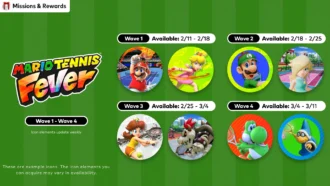
Mario Tennis Fever icon elements arrive on a ticking schedule—four waves across February-March 2026. Here are the exact PT dates, how to access them, and what the game brings to the court.
February 13, 2026
68
Nintendo serves up Mario Tennis Fever on Switch 2 with its biggest roster yet, 30 new Fever Rackets that twist rallies in wild ways, and a baby-themed Adventure Mode. Check the official trailer link inside.
February 13, 2026
67

Співпраця
Співпраця - текст
By-Gamers Newsletter!
Unlock special gaming deals, limited-time bundles, and more - sign up for By-gamers newsletter today!
