


Popular articles
- What Is Rivals of Aether? Game Type, Platforms, and Modes Explained
- Black Myth Wukong Guide – What To Expect From This Amazing New RPG
- Top 5 Gaming Thrones for a Luxurious Gaming Experience
- Is Sonic Triple Trouble 16-Bit Official? Who Is The Bad Guy in Sonic Triple Trouble?
- Among Us Original: Where and How To Play The Classic Game


Overwatch 2’s Defense Matrix grows: console M&K pool, Wide Groups, 1‑million bans
Table of Content

Blizzard outlined new steps in Overwatch 2’s Defense Matrix – the game’s umbrella for player safety and competitive integrity. The update spans input rules, matchmaking, chat moderation, and anti‑cheat. Native mouse and keyboard on consoles now ties into separate matchmaking pools, while Competitive play introduces Wide Groups to let friends of varied ranks queue together with safeguards. Chat tools add real‑time text filtering, and anti‑cheat enforcement has removed over 1 million accounts since launch. The focus remains clear: keep matches fair and welcoming without blurring the competitive line.
Console mouse and keyboard – native support, separate pools
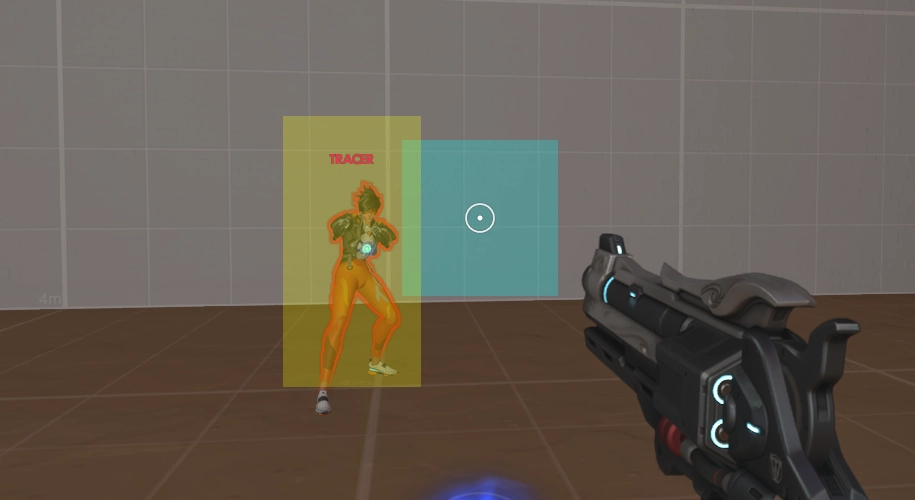
Consoles now support mouse and keyboard natively, and players using that setup are placed into the Mouse and Keyboard Pool (formerly the PC Pool). Controller users remain in the Controller Pool. To protect parity, mouse‑keyboard users must switch to the correct pool – otherwise, those inputs are disabled for gameplay.
Competitive rules tighten further: aim assist is disabled in the Competitive Mouse and Keyboard Pool, even if a controller is connected there. For console players who stick with controllers, aim assist remains available in Cross‑Play matches with PC friends. Looking ahead to Season 20, controller users will gain new tuning options – aim assist strength, window size, ease‑in, and smoothing – to better match different heroes and playstyles.
Competitive play expands grouping – Wide Groups with a progression modifier
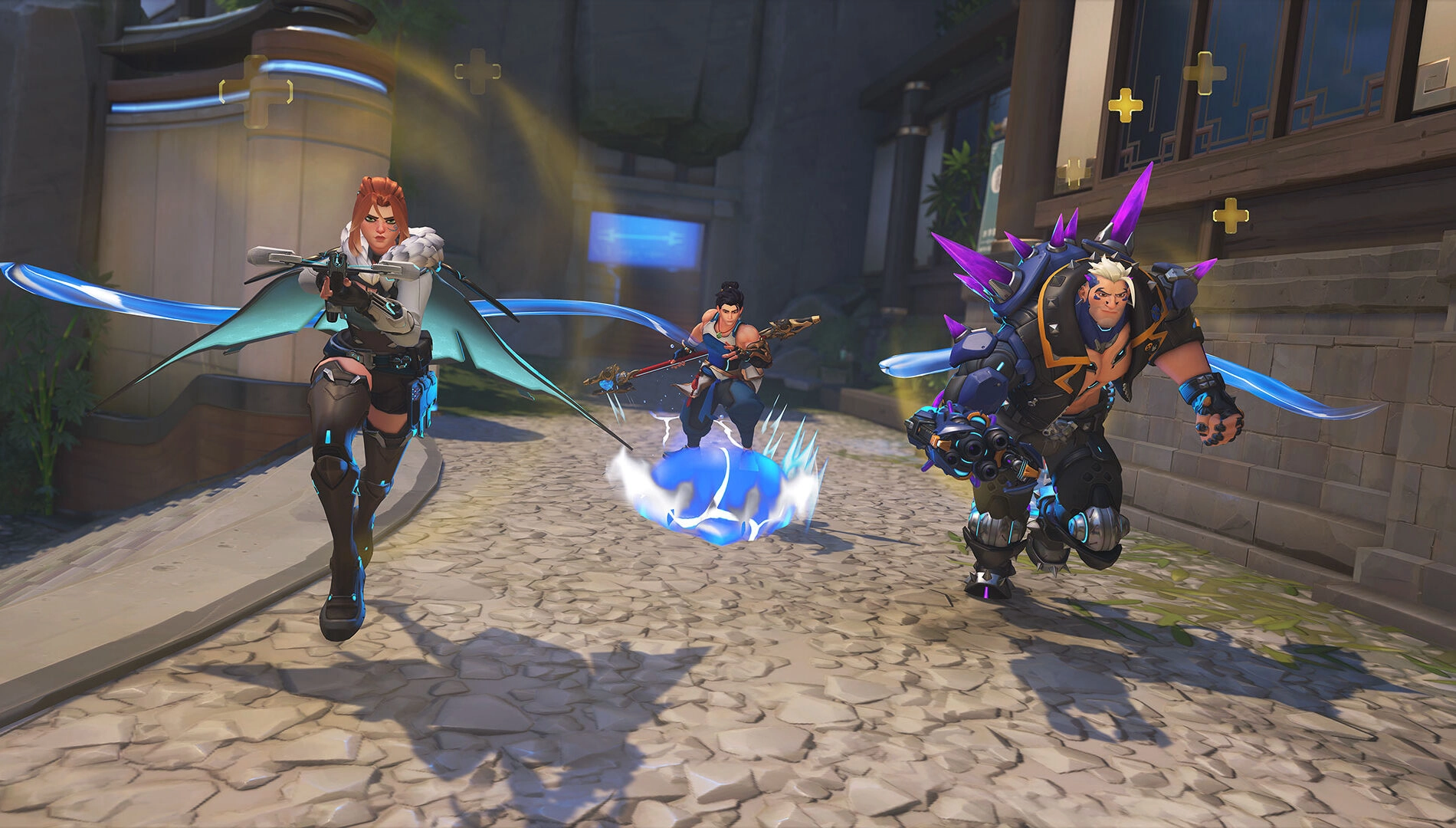
To make it easier to play with friends across ranks, Blizzard introduced Wide Groups in Competitive. This lets mixed‑skill parties queue together but applies a Modifier to how skill progression is calculated for those groups, reducing the chance of lower‑ranked players being pulled up unfairly by higher‑rank teammates. Solo players and Narrow Groups are matched with similar parties and are unaffected.
Wide Group thresholds at a glance
These thresholds determine when a party is classified as a Wide Group. The aim is to allow flexible queuing while maintaining competitive integrity.
By adjusting progression for these parties, the system aims to reduce the need for alternate accounts and broaden access to Competitive for mixed‑rank friend groups.
Read also our article: Book X kicks off in Fire Emblem Heroes – Ragnarök storyline lands
Real‑time chat moderation targets disruptive behavior
Defense Matrix now employs Real‑Time Text Moderation to hide potentially harmful messages in the lobby by default. Players can still view and report those messages if they choose. The same machine‑learning approach – also used in World of Warcraft – continues to evolve, addressing problematic behavior across text and voice chat.
Enforcement ranges from silences and suspensions to bans for repeated or severe violations, aligned with Blizzard’s In‑Game Code of Conduct. Reports from players remain a key signal that feeds these systems.
Anti‑cheat enforcement passes 1‑million bans
Blizzard reports over 1 million accounts banned for cheating since Overwatch 2 launched. This includes users of aimbots, wallhacks, and other exploits, as well as players who knowingly grouped with cheaters. The studio notes that additional anti‑cheat technologies are in development to improve detection and prevention.
Key takeaways for players
- Console M&K support – native input with strict pool separation; Competitive M&K pool disables aim assist regardless of device.
- Controller improvements – aim assist remains in Cross‑Play with PC friends; Season 20 adds detailed aim‑assist tuning.
- Wider Competitive parties – Wide Groups let friends of different ranks queue together, with a Modifier to keep progression fair.
- Chat safety – real‑time text filtering and ongoing voice/text moderation with escalating penalties.
- Cheating crackdown – over 1‑million bans since launch; continued upgrades to detection and blocking tools.
Why it matters – fair play without splitting the community
Defense Matrix is tightening rules where it counts – inputs, matchmaking, and chat – while still letting friends squad up across ranks. For players, the message is simple: your skill and teamwork should decide the outcome, not peripheral advantages, disruptive behavior, or exploits. These updates push Overwatch 2 toward that standard without shutting the door on how you want to play.






Meet the Author



Article:
Read all


Solid Snake joins Rainbow Six Siege on March 3. Expect an intel-focused gadget, on-the-fly scavenging, a stealthy 4v4 event with Sam Fisher, and updates across maps and Operators.
 February 15, 2026
 85
85
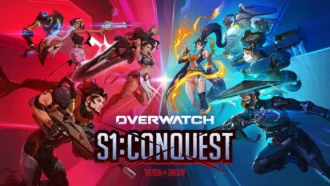
A year-long Overwatch narrative lands on Switch. Season 1 opens the Reign of Talon, adds 5 heroes, and introduces a 5-week faction event—setting the stage for updates through Season 6 in 2026.
February 14, 2026
82
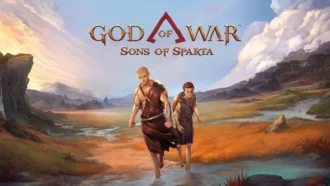
A new chapter in Kratos’ past arrives on PS5. Sons of Sparta shifts the series to 2D, exploring the Agoge with Deimos, classic Greek foes, skill trees, and Gifts of Olympus – all scored by Bear McCreary.
February 13, 2026
80

Assassin’s Creed Origins steps into the museum space as Ubisoft and the Musée de l’Homme unveil a nine-minute interactive walkthrough of ancient Egyptian embalming, part of the Mummies exhibition running November 2025 - May 2026.
February 13, 2026
77
Subscribe to “By-Gamers” on Telegram for gaming intel.
No filler, no fuss—just your daily XP boost. Hop in and level up, squad!


Read also
Solid Snake joins Rainbow Six Siege on March 3. Expect an intel-focused gadget, on-the-fly scavenging, a stealthy 4v4 event with Sam Fisher, and updates across maps and Operators.
February 15, 2026
85
A year-long Overwatch narrative lands on Switch. Season 1 opens the Reign of Talon, adds 5 heroes, and introduces a 5-week faction event—setting the stage for updates through Season 6 in 2026.
February 14, 2026
82
A new chapter in Kratos’ past arrives on PS5. Sons of Sparta shifts the series to 2D, exploring the Agoge with Deimos, classic Greek foes, skill trees, and Gifts of Olympus – all scored by Bear McCreary.
February 13, 2026
80
Assassin’s Creed Origins steps into the museum space as Ubisoft and the Musée de l’Homme unveil a nine-minute interactive walkthrough of ancient Egyptian embalming, part of the Mummies exhibition running November 2025 - May 2026.
February 13, 2026
77

High On Life 2 is out now, and its writers say the best gags start with the team cracking up first — then shaping bits so players help drive the punchlines. Here’s how Squanch approaches humor-by-design.
February 13, 2026
61
Rainbow Six Siege’s competitive year ends in Paris with a new twist: 1V1 NOW by Xbox Game Pass. Four regional standouts, 3.2k sign-ups behind them, clash Feb 14-15 for a share of $5,000 on the SI stage.
February 13, 2026
70
Fourteen Xbox titles arrive February 17-20 – from Star Trek: Voyager’s survival strategy to stealth in Styx and horror in Backrooms. Dates, platform notes, and core gameplay features inside.
February 13, 2026
63
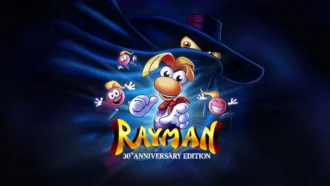
Rayman’s 1995 debut returns in a multi-version package – with a first-ever playable SNES prototype, 120 bonus stages, a reimagined Christophe Héral soundtrack, and modern assists like a 60-second rewind.
February 13, 2026
62
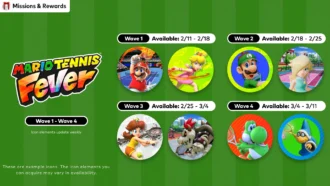
Mario Tennis Fever icon elements arrive on a ticking schedule—four waves across February-March 2026. Here are the exact PT dates, how to access them, and what the game brings to the court.
February 13, 2026
68
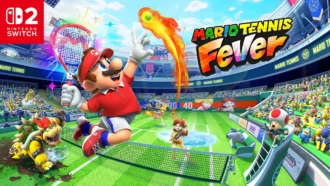
Nintendo serves up Mario Tennis Fever on Switch 2 with its biggest roster yet, 30 new Fever Rackets that twist rallies in wild ways, and a baby-themed Adventure Mode. Check the official trailer link inside.
February 13, 2026
67

Співпраця
Співпраця - текст
By-Gamers Newsletter!
Unlock special gaming deals, limited-time bundles, and more - sign up for By-gamers newsletter today!
