


Popular articles
- What Is Rivals of Aether? Game Type, Platforms, and Modes Explained
- Black Myth Wukong Guide – What To Expect From This Amazing New RPG
- Top 5 Gaming Thrones for a Luxurious Gaming Experience
- Is Sonic Triple Trouble 16-Bit Official? Who Is The Bad Guy in Sonic Triple Trouble?
- Among Us Original: Where and How To Play The Classic Game


Code Vein Ii: Early-Game Mechanics Explained – from Ammo to Stagger
Table of Content

Bandai Namco’s official overview – built on insights shared by Fextralife – clarifies how Code Vein II onboards players with a mix of returning systems and new twists. The breakdown focuses on weapon behavior, Combat Formae, bayonet ammo, defensive options, and progression via Blood Codes and Boosters. It also highlights practical combat concepts like i-frames on certain abilities and the hidden Stagger Gauge. Below are the key points presented for a smoother start without speculation or marketing language.
Weapons and Formae – What Actually Carries Over

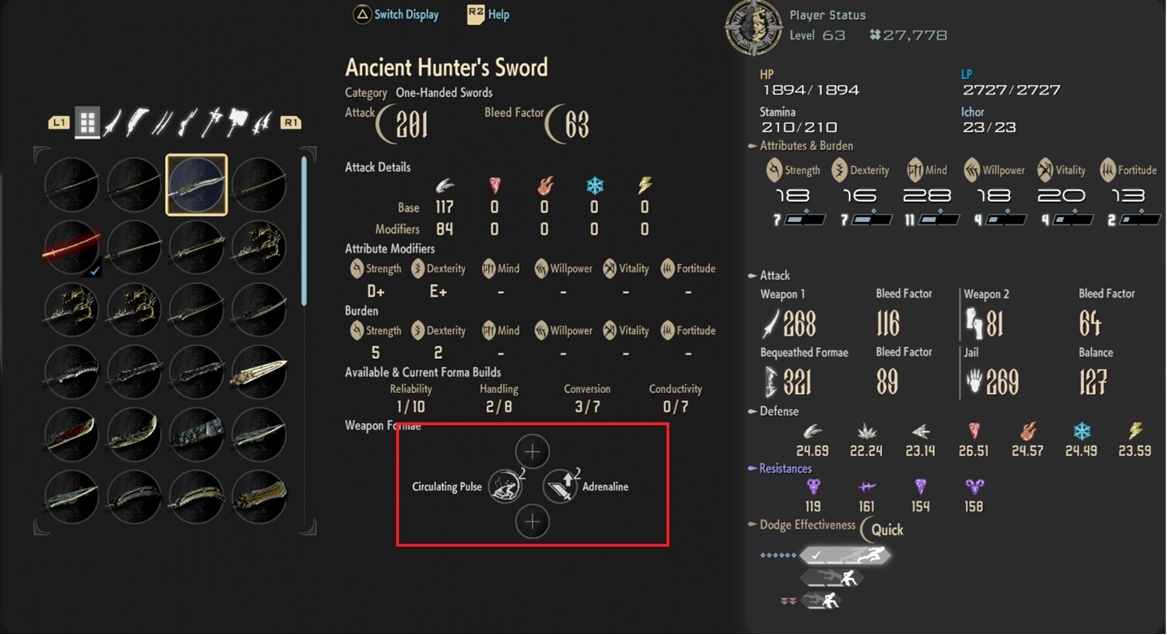
Weapons of the same category can feature different movesets, with variations in light and heavy chains as well as charged attacks. Damage and scaling are only part of the picture – attack patterns materially change how a weapon plays.
Combat Formae on weapons are not transferable between different weapons. Players can remove Formae from a weapon to replace them with others they have found, but cannot move a removed Formae to a separate weapon unless they obtain that Formae independently. This sets expectations for long-term build planning.
Early Haze and a Nearby Boss Tie-In
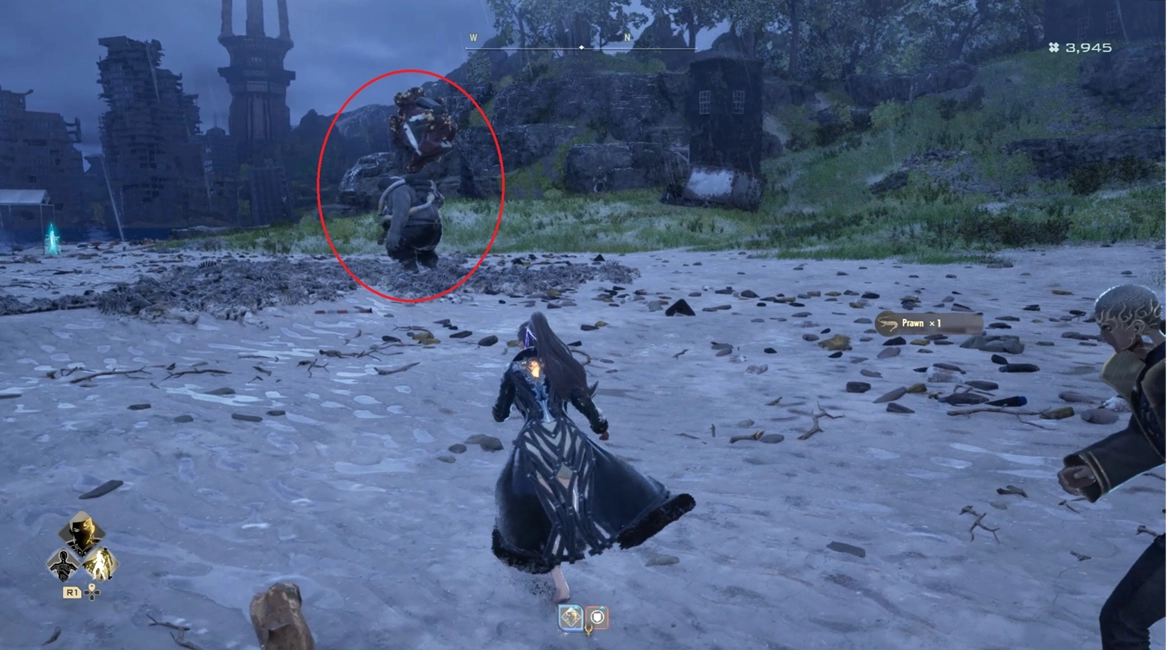
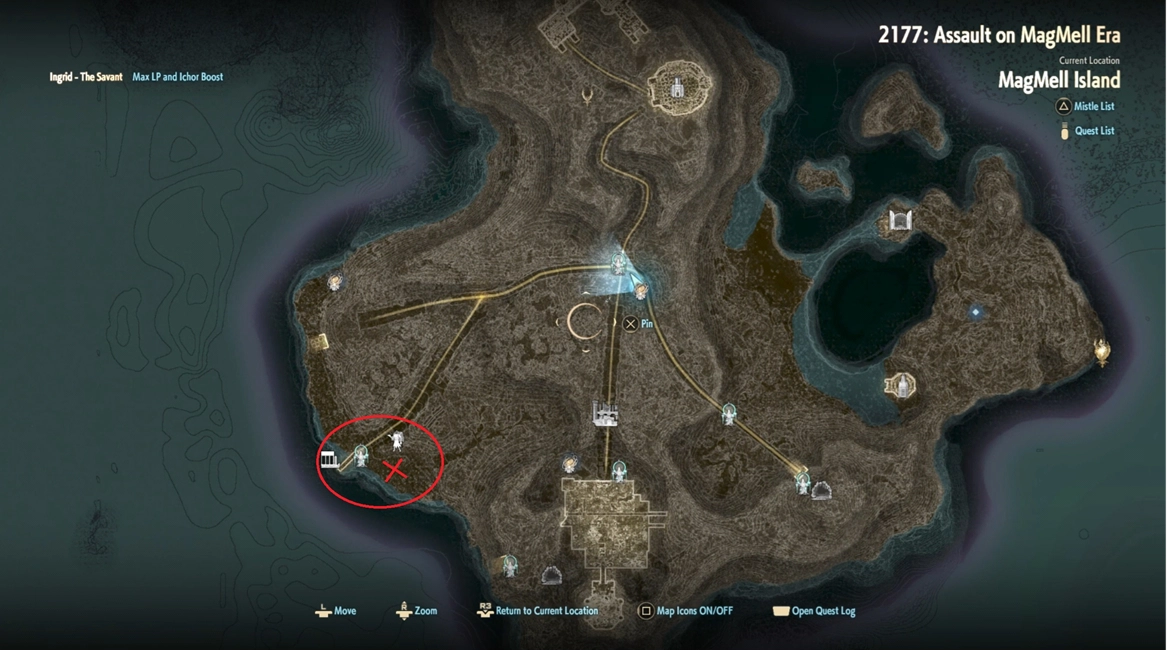
At MagMell Island Pier on the island’s southern side, a solo enemy near a Mistle grants just under 500 Haze per defeat and respawns at the checkpoint, providing a consistent early-game test ground. This opponent also appears as the boss of the nearby Ruins, making repetition useful for learning its patterns.
Bayonets Now Use Ammo – Three Types, One System
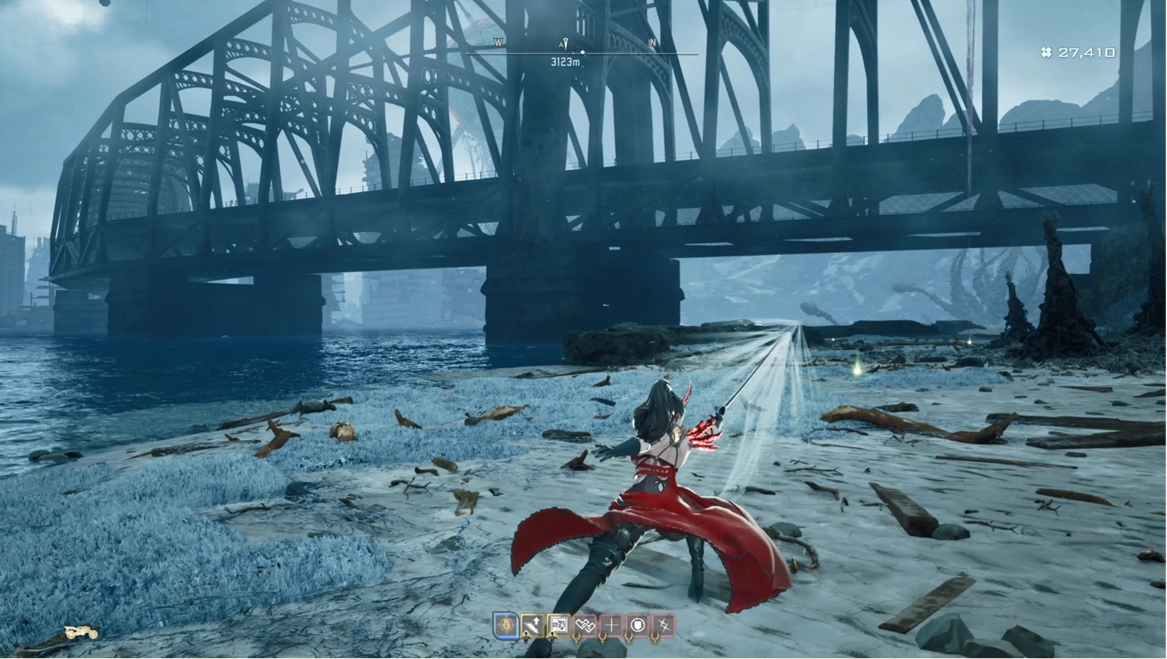
Unlike the first game, bayonet ranged attacks in Code Vein II require Ammo instead of Ichor. Excess ammo is auto-sent to storage and replenished on Mistle use if reserves exist, with a settings toggle available for players who want manual control.
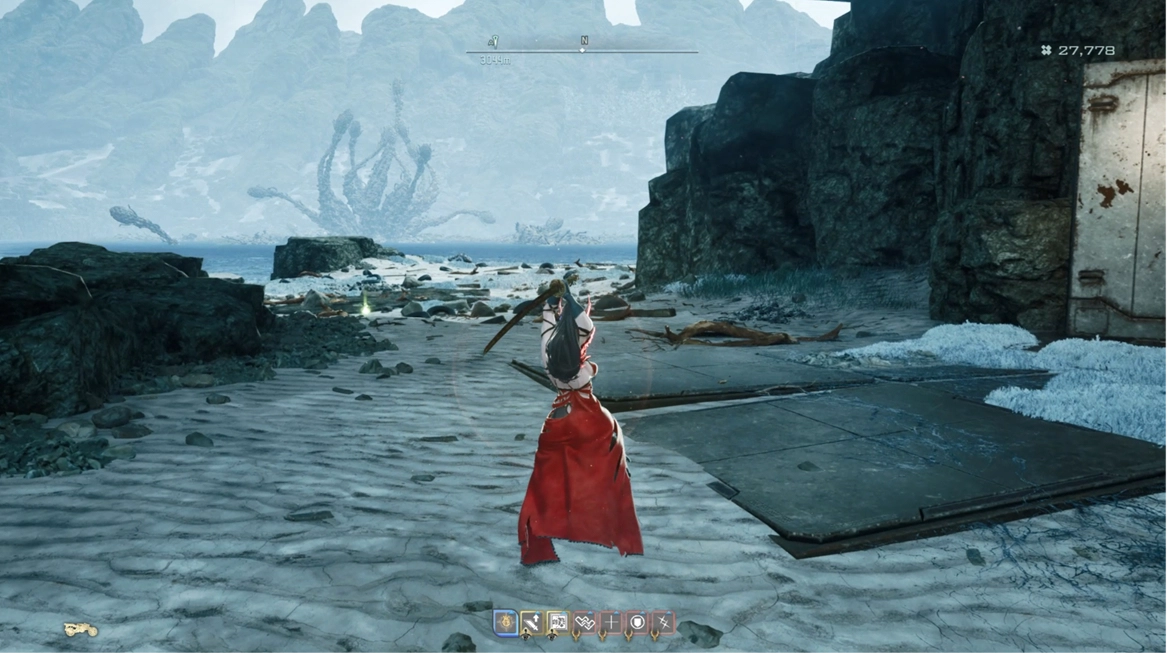
Each bayonet is compatible with one of three ammo types, shaping its effective range and usage profile.
Bayonet Ammo Types at a Glance
The table below summarizes the three ammo options for bayonets and their general roles in combat.
Bequeathed Formae – the Longbow's Early Utility
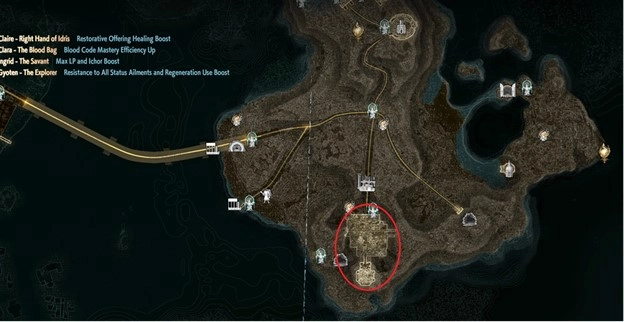
Bequeathed Formae are special weapons with their own attacks that cost Ichor and can be upgraded. Early in the MagMell Ruins, players obtain the Statesman’s Longbow, noted for exceptional range, chargeable shots, and piercing through multiple targets at a cost of 1 Ichor per use. Charged shots can also destroy Map Jammers from a safe distance.
Defensive Slot – 100% Physical Block Option
Read also our article: Civilization Vii’s Next Updates Reshape the Game from Top to Bottom
The game features a dedicated slot for Defensive equipment that can modify blocking, parrying, and dodge behavior while providing damage reduction on hit. An early find in the MagMell Ruins is the Bleeding Shield (Light), which offers 100% Physical Damage block (no chip damage) but does not allow parrying. Other defensive items with 100% Physical Mitigation also exist later with differing stats.
Know Your Build – the Trait List
Multiple buffs and debuffs can stack during combat, but their icons do not include hover tooltips. The Trait List, accessible from Blood Code or Stats, shows all active effects and their sources. It also flags any Traits for which requirements are not met, helping players adjust attributes or equipment to realize their intended build.
Boosters – Passive Slots, Enemy Drops, and Mastery Rewards
Boosters are passive items functionally akin to genre-familiar trinkets and can be slotted up to 4 at a time. They are found as loot but are most commonly acquired by trading enemy-specific materials to merchants (Jadwiga’s Minions). Merchant lists show which enemies drop the materials required for each Booster.
Progression also ties into Blood Code mastery: after a certain point, Lavinia grants a unique Booster each time a Blood Code’s mastery bar is filled by defeating enemies. Higher-tier Blood Codes from the same NPC provide additional unique Boosters, with further ranks available after mastering the previous one and speaking to the corresponding character in MagMell.
I-Frames on Select Combat Formae
Some Combat Formae feature i-frames during specific animation windows, enabling damage avoidance and counterplay in tight moments. Two early examples are Phantom Assault (available on the starting weapon, 3 Ichor) and Looming Slash (5 Ichor, available on a one-handed sword from a MagMell merchant). The differing Ichor costs inform which Blood Codes can sustain frequent use.
Staggering – the Hidden Gauge and Drain Window
Enemies have an invisible Stagger Gauge that fills with each attack or Formae hit, with thresholds varying by enemy type. A Red Diamond on the lock-on reticle indicates a stagger, briefly halting the enemy and opening a window for a special drain attack that restores significant Ichor. Understanding which attacks build stagger fastest influences pacing in both encounters and boss fights.
Final Takeaway – What This Means for Players
Code Vein II front-loads systems that reward experimentation and system literacy – from moveset-aware weapon picks to ammo-managed ranged play, defensive kit choices, and stagger-driven Ichor loops. Knowing how Formae transfer rules, Trait visibility, and Booster acquisition work helps players shape builds early and avoid dead-ends. The result is a clearer path through the opening hours with fewer surprises and more control over your combat toolkit.





Meet the Author



Article:
Read all


Solid Snake joins Rainbow Six Siege on March 3. Expect an intel-focused gadget, on-the-fly scavenging, a stealthy 4v4 event with Sam Fisher, and updates across maps and Operators.
 February 15, 2026
 85
85

A year-long Overwatch narrative lands on Switch. Season 1 opens the Reign of Talon, adds 5 heroes, and introduces a 5-week faction event—setting the stage for updates through Season 6 in 2026.
February 14, 2026
82
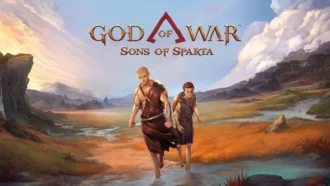
A new chapter in Kratos’ past arrives on PS5. Sons of Sparta shifts the series to 2D, exploring the Agoge with Deimos, classic Greek foes, skill trees, and Gifts of Olympus – all scored by Bear McCreary.
February 13, 2026
80
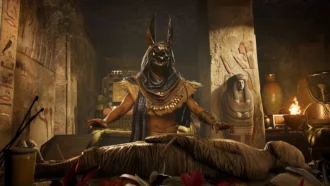
Assassin’s Creed Origins steps into the museum space as Ubisoft and the Musée de l’Homme unveil a nine-minute interactive walkthrough of ancient Egyptian embalming, part of the Mummies exhibition running November 2025 - May 2026.
February 13, 2026
76
Subscribe to “By-Gamers” on Telegram for gaming intel.
No filler, no fuss—just your daily XP boost. Hop in and level up, squad!


Read also
Remedy’s new video tours a warped Manhattan built around expansive zones, side activities and secrets. Gravity Anomalies bend physics as Dylan Faden hunts a powerful Resonant. Release planned in 2026 across major platforms.
February 13, 2026
66

Four days, 500,000 revives, one universal skin. Borderlands 4’s co-op Community Challenge sets a clear goal for Feb 12-15, with a new Weekly Big Encore slate designed to test your survival skills.
February 13, 2026
69

Step inside Firaxis’ studio as the audio team and Grammy-winning composer Christopher Tin unpack how Civilization VII’s sweeping soundtrack—and main theme Live Gloriously—aims to reflect eras and cultures across history.
February 12, 2026
69

WWE 2K26 swaps traditional DLC packs for a seasonal Ringside Pass. Expect six drops through 2026, a free track for all players, and premium tiers with DLC Superstars. Season 1 begins March 6 – and earlier access to post-launch ...
February 11, 2026
79

WWE 2K26 locks its March rollout and brings back brutal stipulations, heavier combat physics, and granular AI tools – alongside a new commentary lineup and more interactive entrances.
February 11, 2026
67

CM Punk fronts WWE 2K26’s Showcase – a career-spanning mode mixing real matches, dream pairings, and alternate timelines – and a fresh Gauntlet that unlocks every Showcase reward if you can run the 20-opponent table.
February 11, 2026
60

Weekly ‘Mafia Mondays’ will reveal early‑1900s Sicily – from a tense villa infiltration to a three‑hour hands‑on – as 2K and Hangar 13 detail scope, tech, and the family around Enzo Favara.
February 11, 2026
64

Riot scales back the 2XKO team, citing lower-than-needed momentum beyond a core audience. Improvements are planned, 2026 esports stays intact, and affected staff receive at least 6 months of notice pay and severance.
February 9, 2026
72

After adding Photo Mode in November’s Free Ride Update, Mafia: The Old Country showcases fan-made shots—complete with insights from the art team on composition, lighting, and world-building.
February 7, 2026
87

DLC Pack 2 lands in SUPER ROBOT WARS Y with five new units and dozens of missions, while a free update introduces Battle Rush 2, higher level caps, and deeper upgrades across pilots, mechs, and weapons.
February 7, 2026
92

Співпраця
Співпраця - текст
By-Gamers Newsletter!
Unlock special gaming deals, limited-time bundles, and more - sign up for By-gamers newsletter today!
