



Popular articles
- What Is Rivals of Aether? Game Type, Platforms, and Modes Explained
- Black Myth Wukong Guide – What To Expect From This Amazing New RPG
- Top 5 Gaming Thrones for a Luxurious Gaming Experience
- Is Sonic Triple Trouble 16-Bit Official? Who Is The Bad Guy in Sonic Triple Trouble?
- Among Us Original: Where and How To Play The Classic Game


Vanguard tightens boot checks as BIOS flaw exposes pre-boot DMA gap
Table of Content

Riot Games has outlined a new anti-cheat enforcement step for VALORANT after uncovering a critical pre-boot vulnerability across multiple motherboard vendors. The flaw impacts how systems initialize memory protection during the earliest stage of startup, potentially opening a brief window for DMA-based hardware cheats to inject code out of sight. Riot’s Vanguard will begin stricter boot security checks for certain players and block game launch on affected systems until protections are verified.
The company says motherboard makers have prepared BIOS/UEFI firmware updates to close the gap. Players who trip Vanguard’s checks will see a VAN:Restriction prompt explaining what must be enabled or updated before returning to play.
What Riot found – and why it matters
At power-on, firmware loads before the operating system – anything that initializes earlier typically has higher privilege. DMA cheat devices exploit this by accessing memory directly, bypassing the OS. Modern defenses rely on the IOMMU and the setting often labeled Pre-Boot DMA Protection to fence off memory from unauthorized devices from the first milliseconds of boot.
Riot’s research identified cases where firmware reported Pre-Boot DMA Protection as enabled while IOMMU was not correctly initialized during early boot. The result: a small but significant window where a sophisticated DMA device could inject code before security systems and the OS fully take control.
How Vanguard will respond
Vanguard is designed to establish a trusted perimeter around the Windows kernel as early as possible. If the system’s early-boot protections are not actually active, Vanguard cannot guarantee integrity. In these cases, it will apply a VAN:Restriction and prevent VALORANT from launching until the required conditions are met.
According to Riot, restrictions can be applied at the account or HWID level when it detects suspicious hardware behavior or statistical anomalies consistent with bypassed security features. A restriction does not automatically imply cheating – it indicates a risky configuration similar to known cheat setups.
What affected players need to do
- Update motherboard BIOS/UEFI to the latest version provided by the manufacturer.
- Enable platform security features such as Pre-Boot DMA Protection, Secure Boot, Virtualization-Based Security (VBS), and IOMMU if supported.
- Reboot and verify the restriction prompt is cleared before launching VALORANT.
Riot is also considering rolling this requirement out to all players at the highest competitive tiers – Ascendant and above – to ensure a consistent security baseline at the top of the ladder.
Vendor advisories and identifiers
Motherboard makers have published security notes acknowledging the issue and releasing fixes. Below is a concise summary. Installing the latest firmware is required to ensure protections are active from the first moment of boot.
Advisory overview – motherboard firmware fixes
| Vendor / Source | Identifier |
| US-CERT Vulnerability Note | VU#382314 |
| ASUS Security Advisory | CVE-2025-11901 |
| Gigabyte Security Advisory | CVE-2025-14302 |
| MSI Product Security Advisory | CVE-2025-14303 |
| ASRock Security Advisory | CVE-2025-14304 |
Read also our article: DRAGON BALL Z KAKAROT DAIMA: what’s in Demon Realm Pack Part 2
What this closes off for cheat developers
By ensuring IOMMU and related safeguards initialize from the very start of boot, the pre-OS injection path for DMA hardware cheats is significantly reduced. Riot says this raises the barrier for an entire class of previously resilient cheats and helps keep them from hiding before Vanguard activates.
Final takeaway – what players should expect
If Vanguard flags your system, it means early-boot security is not verifiably active. Apply the latest BIOS/UEFI, enable the required protections, and restart. For competitive players – especially those in Ascendant-and-above brackets – expect tighter boot integrity checks to become part of the standard security baseline. The goal is straightforward: reduce pre-boot cheat vectors and keep matches fair.






Meet the Author



Article:
Read all

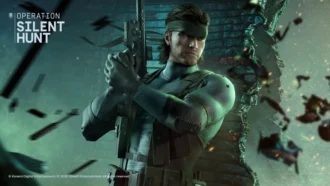
Solid Snake joins Rainbow Six Siege on March 3. Expect an intel-focused gadget, on-the-fly scavenging, a stealthy 4v4 event with Sam Fisher, and updates across maps and Operators.
 February 15, 2026
 85
85

A year-long Overwatch narrative lands on Switch. Season 1 opens the Reign of Talon, adds 5 heroes, and introduces a 5-week faction event—setting the stage for updates through Season 6 in 2026.
February 14, 2026
82

A new chapter in Kratos’ past arrives on PS5. Sons of Sparta shifts the series to 2D, exploring the Agoge with Deimos, classic Greek foes, skill trees, and Gifts of Olympus – all scored by Bear McCreary.
February 13, 2026
80

Assassin’s Creed Origins steps into the museum space as Ubisoft and the Musée de l’Homme unveil a nine-minute interactive walkthrough of ancient Egyptian embalming, part of the Mummies exhibition running November 2025 - May 2026.
February 13, 2026
77
Subscribe to “By-Gamers” on Telegram for gaming intel.
No filler, no fuss—just your daily XP boost. Hop in and level up, squad!


Read also
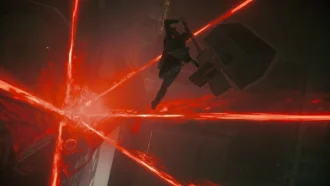
Remedy’s new video tours a warped Manhattan built around expansive zones, side activities and secrets. Gravity Anomalies bend physics as Dylan Faden hunts a powerful Resonant. Release planned in 2026 across major platforms.
February 13, 2026
66
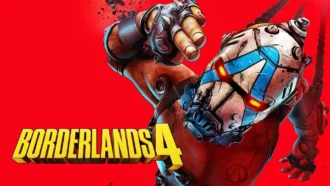
Four days, 500,000 revives, one universal skin. Borderlands 4’s co-op Community Challenge sets a clear goal for Feb 12-15, with a new Weekly Big Encore slate designed to test your survival skills.
February 13, 2026
69

Step inside Firaxis’ studio as the audio team and Grammy-winning composer Christopher Tin unpack how Civilization VII’s sweeping soundtrack—and main theme Live Gloriously—aims to reflect eras and cultures across history.
February 12, 2026
69
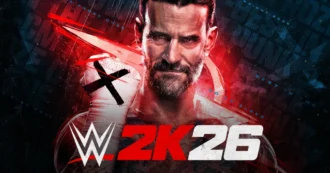
WWE 2K26 swaps traditional DLC packs for a seasonal Ringside Pass. Expect six drops through 2026, a free track for all players, and premium tiers with DLC Superstars. Season 1 begins March 6 – and earlier access to post-launch ...
February 11, 2026
79
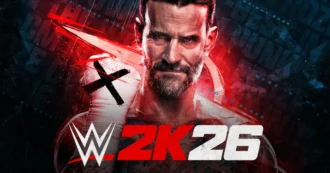
WWE 2K26 locks its March rollout and brings back brutal stipulations, heavier combat physics, and granular AI tools – alongside a new commentary lineup and more interactive entrances.
February 11, 2026
67
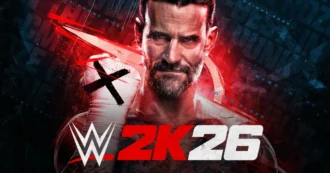
CM Punk fronts WWE 2K26’s Showcase – a career-spanning mode mixing real matches, dream pairings, and alternate timelines – and a fresh Gauntlet that unlocks every Showcase reward if you can run the 20-opponent table.
February 11, 2026
61

Weekly ‘Mafia Mondays’ will reveal early‑1900s Sicily – from a tense villa infiltration to a three‑hour hands‑on – as 2K and Hangar 13 detail scope, tech, and the family around Enzo Favara.
February 11, 2026
64

Riot scales back the 2XKO team, citing lower-than-needed momentum beyond a core audience. Improvements are planned, 2026 esports stays intact, and affected staff receive at least 6 months of notice pay and severance.
February 9, 2026
72

After adding Photo Mode in November’s Free Ride Update, Mafia: The Old Country showcases fan-made shots—complete with insights from the art team on composition, lighting, and world-building.
February 7, 2026
87
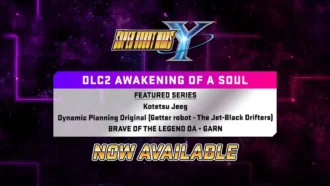
DLC Pack 2 lands in SUPER ROBOT WARS Y with five new units and dozens of missions, while a free update introduces Battle Rush 2, higher level caps, and deeper upgrades across pilots, mechs, and weapons.
February 7, 2026
92

Співпраця
Співпраця - текст
By-Gamers Newsletter!
Unlock special gaming deals, limited-time bundles, and more - sign up for By-gamers newsletter today!
